Aluminum Truss vs Steel Truss: Which Is Better for Events?
Introduction
When selecting a truss system for concerts, exhibitions, weddings, churches, or temporary event structures, one of the most common questions is:
Should you choose an aluminum truss or a steel truss?
Both materials have advantages, but they are designed for different applications.
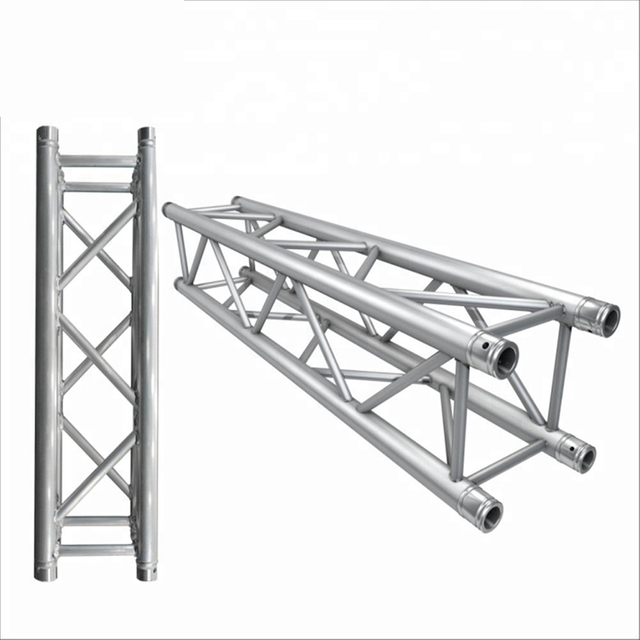
Today, aluminum trusses have become the industry standard for most temporary event structures because they combine lightweight construction, excellent corrosion resistance, and high structural performance.
This article compares the two materials to help you understand which solution is most suitable for your project.
Material Properties
Aluminum and steel have very different physical characteristics.
Aluminum is significantly lighter while offering excellent corrosion resistance.
Steel is heavier but generally provides higher material strength and is often used in permanent structural applications.
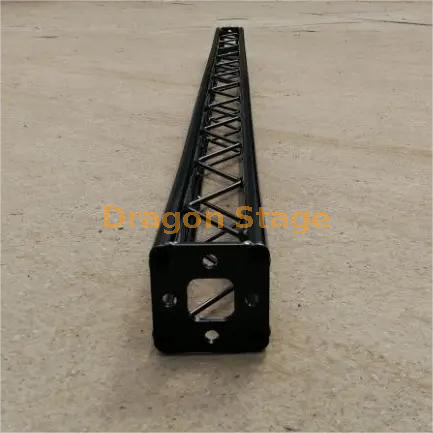
Professional Event Truss System solutions are therefore typically manufactured from high-strength aluminum alloys such as 6061-T6 or 6082-T6, which provide an excellent balance between strength and weight.
Weight Comparison
Weight is one of the biggest differences between aluminum and steel trusses.
Aluminum Truss
Advantages:
Lightweight
Easier transportation
Faster installation
Lower labor costs
Easier manual handling
Steel Truss
Characteristics:
For rental companies that frequently assemble and dismantle equipment, lightweight aluminum provides a significant operational advantage.
Corrosion Resistance
Temporary event structures are often exposed to rain, humidity, and changing weather conditions.
Aluminum naturally forms a protective oxide layer that provides excellent corrosion resistance.
Steel generally requires protective coatings or paint to reduce rust and ongoing maintenance.
For outdoor events, aluminum offers a clear long-term advantage.
Structural Performance
Although aluminum is lighter, modern aluminum trusses are carefully engineered to provide excellent load capacity.
Properly designed aluminum truss systems can safely support:
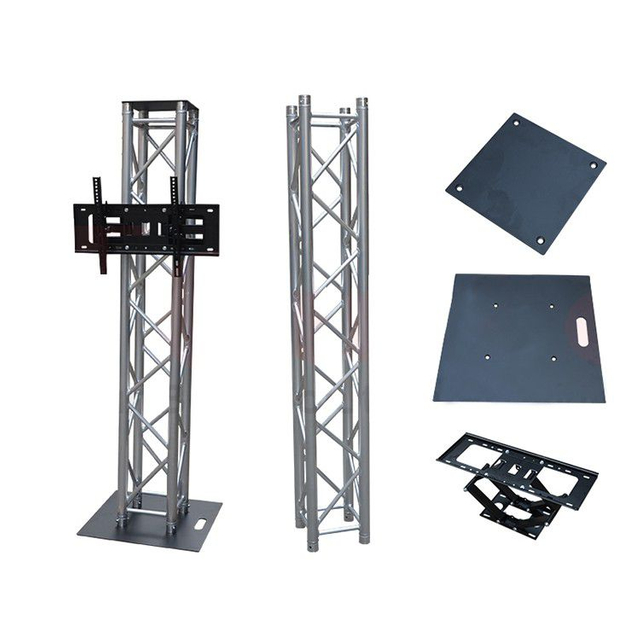
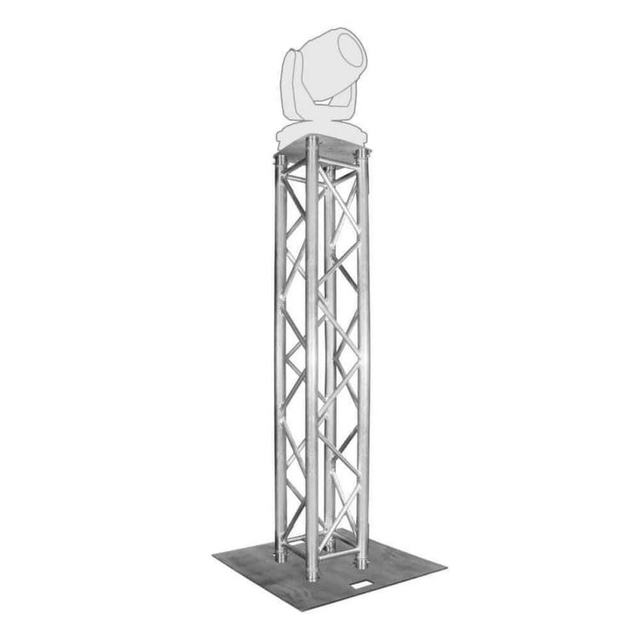
Lighting fixtures
LED screens
Line array speakers
Decorative elements
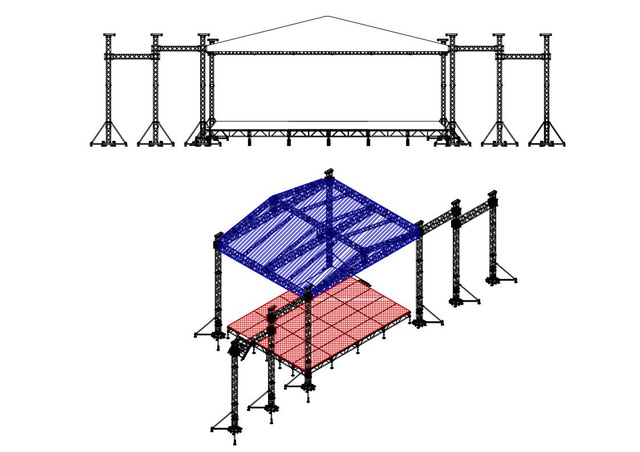
Roof structures
Load capacity depends on structural design, span length, and engineering calculations rather than material alone.
Many structural principles are explained in Structural Engineering Fundamentals.
Installation Efficiency
Installation speed is extremely important for temporary events.
Because aluminum trusses are lighter, technicians can:
Assemble structures more quickly
Reduce labor requirements
Lower equipment rental costs
Improve transportation efficiency
These advantages are particularly valuable for touring productions and rental companies.
Maintenance Requirements
Aluminum trusses generally require less maintenance than steel structures.
Routine maintenance includes:
To learn more, see How to Maintain a Lighting Truss.
Appearance
Appearance is another important consideration for concerts, weddings, exhibitions, and television productions.
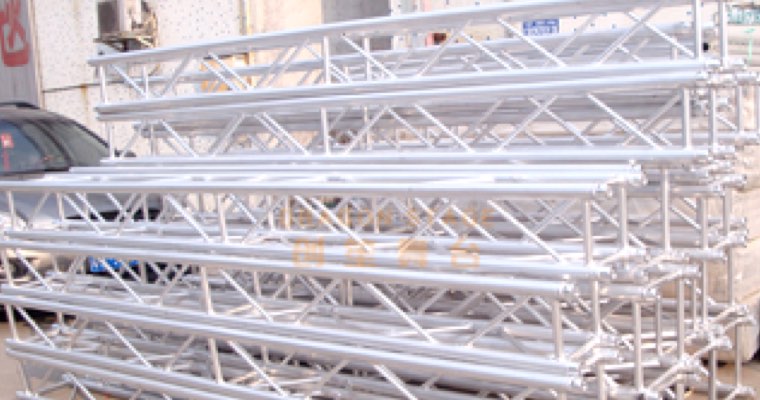
Aluminum trusses have a clean silver finish that complements modern stage designs.
Steel trusses are often painted and may require periodic refinishing if the protective coating becomes damaged.
For visible event structures, aluminum generally provides a more contemporary appearance.
Typical Applications
Aluminum Truss
Commonly used for:
Concert stages
Music festivals
Wedding stages
Exhibition booths
Churches
Television studios
Outdoor events
Steel Truss
Commonly used for:
Although steel remains essential in construction, aluminum has become the preferred material for most temporary event structures.
Which One Should You Choose?
The answer depends on your project requirements.
Choose an aluminum truss if you need:
Choose a steel truss if the project involves permanent structural construction where weight is less important than long-term structural integration.
Final Thoughts
Both aluminum and steel trusses have important roles in structural engineering.
However, for concerts, exhibitions, weddings, churches, festivals, and most temporary event applications, aluminum trusses provide the combination of lightweight construction, corrosion resistance, modular design, and installation efficiency that modern event production demands.
This is why aluminum has become the preferred material for professional Event Truss System solutions around the world.
Related Articles
What Are the Key Characteristics of a Stage Truss?
https://www.dragontruss.com/What-is-the-characteristic-of-stage-truss-id3295479.html
How Much Does Stage Truss Cost?
https://www.dragontruss.com/How-much-does-stage-truss-cost-id44139037.html
How to Maintain a Lighting Truss
https://www.dragontruss.com/How-to-maintain-light-truss-id3205479.html
What Is a Truss Main Chord and Why Is It Important?
https://www.dragontruss.com/What-Is-a-Truss-Main-Chord-and-Why-Is-It-Important-id07638055.html