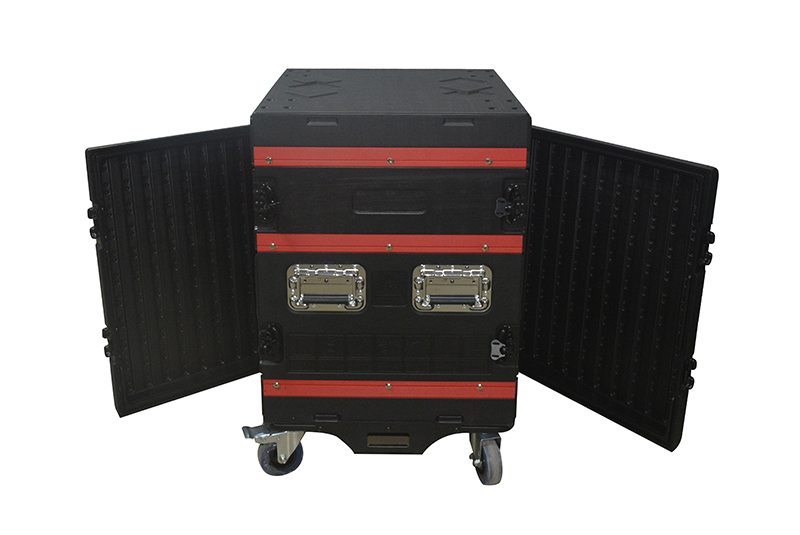
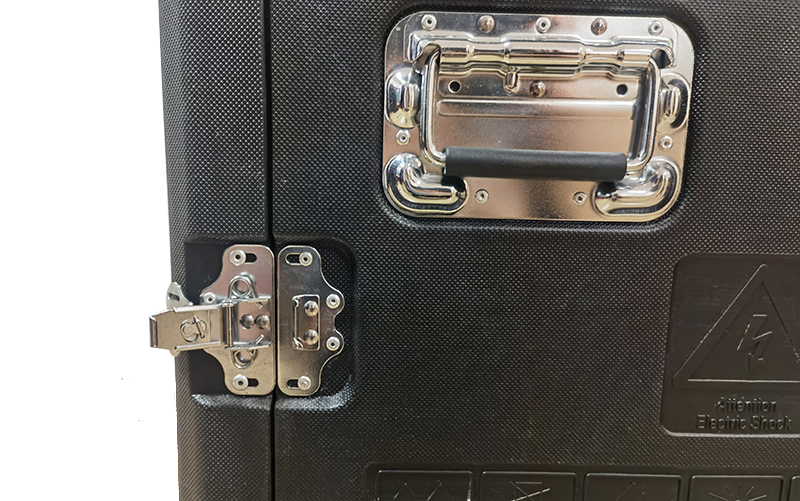
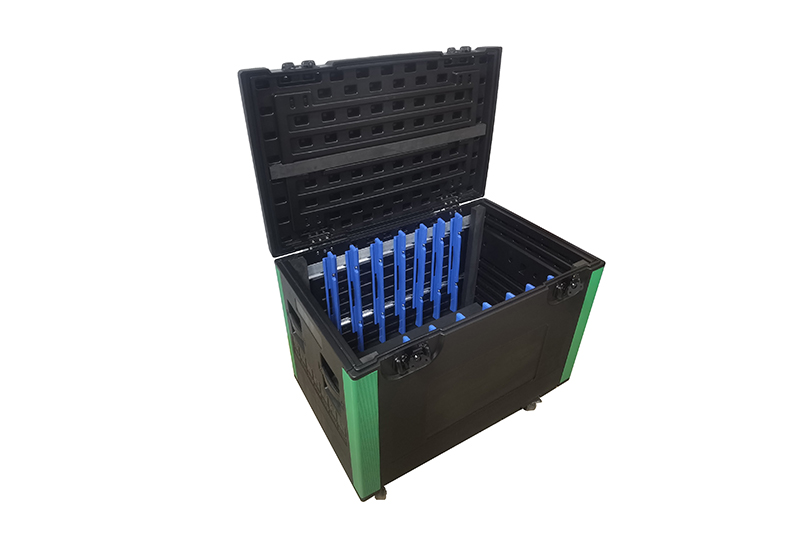
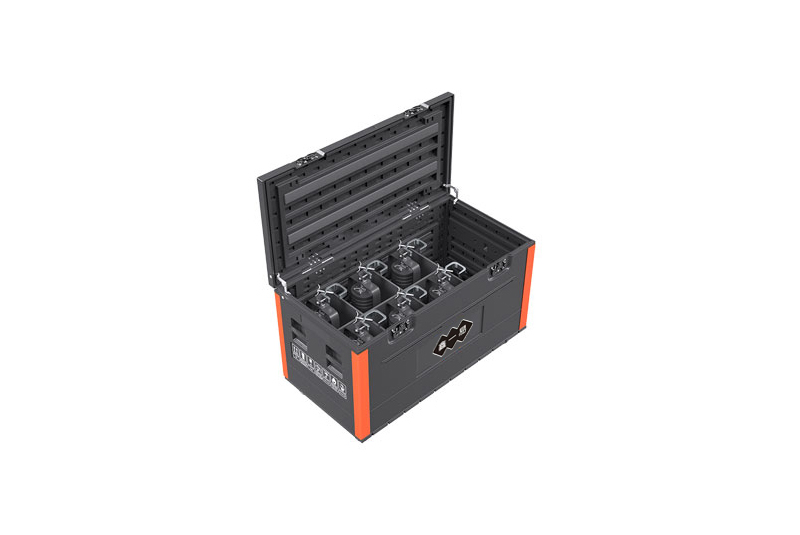
Protecting valuable equipment requires much more than a durable box. A professionally engineered flight case is a complete protective system designed to withstand transportation impacts, vibration, stacking loads, changing weather conditions, and years of repeated use.
DragonStage has spent years manufacturing custom flight cases for the event, entertainment, broadcasting, industrial, and commercial sectors. During that process, we discovered that customers were not simply looking for a manufacturer—they wanted reliable engineering knowledge. Questions about materials, structural design, foam selection, transportation safety, maintenance, and long-term durability appeared far more frequently than questions about price alone.
That is why we created this Flight Cases Engineering Hub.
Rather than serving as another product catalogue, this page brings together our engineering experience, technical articles, buying guides, material comparisons, application cases, and manufacturing knowledge into one continuously growing resource. Whether you are purchasing your first equipment case, comparing ABS and HDPE materials, designing a custom transport solution, or managing a touring production, this guide is designed to help you make informed decisions.
Our goal is simple: build one of the industry's most comprehensive knowledge resources for professional flight cases while providing practical engineering solutions for real-world equipment protection.
Understanding Flight Cases
Learn what flight cases are, how they work, and why they have become the industry standard for transporting valuable equipment.
Recommended Reading
Choosing the Right Flight Case
Understand how equipment size, transportation methods, materials, structural strength, and foam protection influence the final design.
Recommended Reading
Engineering & Protection
Discover how professional flight cases absorb impact, reduce vibration, improve structural rigidity, and extend equipment lifespan.
Recommended Reading
Material Selection
Compare ABS, PE, HDPE, aluminum, plywood, and foam systems to select the most suitable construction for your application.
Recommended Reading
Custom Manufacturing
Learn how custom flight cases are engineered, designed, manufactured, inspected, and delivered.
Recommended Reading
Professional flight cases are no longer used exclusively in aviation or concert touring. Today they protect everything from LED displays, moving head lights, and digital audio consoles to medical instruments, industrial equipment, military electronics, broadcast systems, precision measuring devices, drones, and scientific instruments.
As equipment becomes more expensive and increasingly sensitive to shock, vibration, moisture, and improper handling, transportation protection has become an engineering discipline rather than a packaging problem.
A well-designed flight case must balance multiple engineering requirements simultaneously. It needs to protect equipment against accidental drops while remaining lightweight enough for practical handling. It must withstand stacking loads during shipping without significantly increasing transportation costs. It should provide reliable long-term durability while allowing technicians to deploy equipment quickly on site.
For these reasons, selecting a flight case should never be based solely on dimensions or appearance. Material selection, internal support structure, foam density, hardware quality, caster capacity, environmental conditions, transportation frequency, and maintenance strategy all influence the overall performance and service life of the case.
This Engineering Hub organizes these topics into a structured knowledge system, helping engineers, rental companies, event organizers, AV professionals, distributors, and equipment owners understand not only what a flight case is, but why different engineering decisions produce different levels of protection.
Most manufacturers focus on selling flight cases.
We decided to document how they should be engineered.
Over the past decade, our engineering team has designed protective transport solutions for hundreds of different equipment types used across concerts, exhibitions, broadcast productions, corporate events, churches, sports venues, and industrial projects.
During those projects, we noticed the same questions appearing repeatedly.
Customers asked:
Instead of answering these questions individually every time, we began publishing technical articles covering materials, structural design, manufacturing methods, transportation engineering, maintenance, and application-specific recommendations.
Today, those articles have grown into one of the largest Flight Case knowledge collections on our website.
This Engineering Hub serves as the central navigation page connecting that knowledge into a logical engineering system rather than leaving it scattered across dozens of independent articles.
Whether you are an equipment manufacturer, rental company, system integrator, distributor, production manager, or first-time buyer, you can use this resource to understand not only which flight case to buy, but why certain engineering decisions matter.
A flight case is a reusable, heavy-duty protective transport enclosure specifically engineered to safeguard valuable equipment throughout its operational lifecycle—from factory shipment and international logistics to on-site deployment, storage, maintenance, and repeated transportation.
Although the name originated from equipment transported by air, modern flight cases are used across virtually every transportation method, including road freight, sea freight, rail transport, courier delivery, and local logistics. Today, the term "flight case" represents a category of engineered protective transport systems rather than a case designed exclusively for aviation.
Unlike ordinary packaging, which is typically intended for one-time shipment, a professional flight case is built for years of repeated use. Its design combines structural panels, aluminum extrusions, reinforced corners, heavy-duty hardware, shock-absorbing foam, and durable wheels into an integrated protection system capable of resisting impact, vibration, compression, and environmental exposure.
In many professional industries, the flight case is no longer viewed as an accessory—it is considered part of the operational equipment itself. Rental companies, touring productions, broadcasters, exhibition contractors, and industrial service teams depend on well-designed flight cases not only to protect expensive assets but also to improve transportation efficiency, reduce setup time, simplify inventory management, and extend equipment lifespan.
For this reason, understanding how a flight case is designed is just as important as understanding the equipment it protects.
One of the biggest misconceptions is that purchasing a flight case is a single buying decision.
In reality, every professional flight case follows a complete engineering lifecycle.
Understanding this lifecycle helps buyers make better decisions while significantly reducing long-term ownership costs.
Understand what a flight case is, where it is used, and which protection principles matter most.
Recommended topics include:
Compare materials, structural designs, foam systems, and hardware configurations before selecting the most appropriate solution.
Measure equipment accurately, determine internal clearances, design custom foam layouts, and select hardware according to transportation requirements.
Engineering drawings become production reality through material selection, panel fabrication, CNC foam cutting, aluminum assembly, hardware installation, quality inspection, and packaging.
The finished flight case protects equipment through loading, unloading, warehousing, international shipping, touring, and daily field operations.
Regular inspection, cleaning, hardware replacement, caster maintenance, and foam servicing ensure the case continues protecting valuable equipment for many years.
As equipment evolves, existing flight cases can often be upgraded with new foam layouts, replacement hardware, or structural modifications instead of being discarded.
Understanding this lifecycle transforms a flight case from a simple purchase into a long-term asset management strategy—reducing equipment damage, lowering transportation costs, and extending the service life of both the case and the equipment it protects.
Selecting materials for a professional flight case is far more complex than choosing the strongest or most expensive option. Every material possesses a unique combination of mechanical properties, manufacturing characteristics, environmental resistance, maintenance requirements, and long-term durability. The best material is therefore not the one with the highest strength, but the one that delivers the most appropriate engineering balance for a specific application.
Professional engineers rarely ask, "Which material is the strongest?" Instead, they ask "Which material performs best under this particular operating environment?"
A flight case designed for an international concert tour faces very different challenges from one used in a television studio, a medical laboratory, or a manufacturing plant. The transportation method, loading frequency, weather conditions, equipment value, maintenance capability, and expected service life all influence material selection.
For this reason, DragonStage evaluates flight case materials from an engineering perspective rather than a product perspective. Before comparing individual materials, we recommend understanding the overall material composition of a flight case and the inner and external structures of a flight case, as these components work together to determine overall protection performance.
Different industries prioritize different engineering objectives.
For example, a touring production company may transport equipment several times each week. Their flight cases experience frequent loading, unloading, vibration, stacking, and weather exposure. In this situation, impact resistance, hardware durability, and long-term structural reliability become more important than minimizing weight.
A broadcast studio, on the other hand, typically operates in a controlled indoor environment. Equipment is transported less frequently, making appearance, dimensional precision, and weight reduction higher priorities.
Industrial equipment often introduces another set of requirements. Heavy instruments may require thicker structural panels, reinforced aluminum extrusions, stronger caster wheels, and higher load capacities. Outdoor applications may also require better UV resistance and moisture protection.
These examples illustrate why no single material is suitable for every project. The engineering objective determines the material—not the other way around.
ABS (Acrylonitrile Butadiene Styrene) remains one of the most widely used materials because it offers an excellent balance between appearance, manufacturing efficiency, weight, and cost. It is widely adopted for professional audio, lighting, LED display, and rental equipment.
If you are comparing different plastics, you may also want to read our detailed guides on PE vs ABS flight cases and how to distinguish PE from ABS before selecting a material.
Because the internal cushioning system is just as important as the outer shell, the selection of grid foam or pearl foam should always be considered during the engineering design stage.
HDPE (High-Density Polyethylene) is engineered for demanding operating environments where durability, weather resistance, and long-term reliability are more important than minimizing initial manufacturing cost.
Rather than simply being "stronger," HDPE performs better under harsh environmental conditions and repeated transportation cycles.
Readers interested in HDPE materials may continue with:
Many people assume that an all-aluminum flight case is always superior. In reality, engineering decisions are rarely that simple.
Most professional flight cases combine aluminum extrusions with composite structural panels, creating an optimized balance between rigidity, weight, repairability, and manufacturing cost.
Only certain specialized applications truly benefit from fully aluminum construction.
For a detailed engineering comparison, see our articles on Traditional Aluminum Flight Cases vs All-Aluminum Flight Cases and The Difference Between Raw Materials of Flight Cases.
One of the most common misconceptions is that the shell provides most of the protection.
In reality, the foam insert often absorbs the majority of the impact energy before it reaches the equipment.
Foam density, compression characteristics, recovery performance, and durability directly influence protection performance. Selecting grid foam or pearl foam should therefore be based on equipment weight, geometry, transportation frequency, and expected service life rather than price alone.
Material selection is not simply about choosing ABS, PE, HDPE, aluminum, or plywood. It is an engineering process that balances mechanical performance, transportation requirements, environmental conditions, lifecycle cost, and long-term equipment protection.
After selecting the appropriate material, the next step is understanding how engineering principles such as shock absorption, structural rigidity, and reinforcement influence the overall performance of a flight case. These topics are explored in the next chapter on Protection Engineering, where we explain how professional flight cases resist impact, vibration, compression, and environmental hazards.
Understanding material selection is only one part of engineering a reliable transport solution. If you are interested in how engineering principles are applied across complete event equipment systems, you may also find these resources helpful:
Many people assume that a flight case protects equipment simply because it is "strong" or "made from durable materials." In reality, professional equipment protection depends far more on how impact energy is managed than on how hard the outer shell is.
From an engineering perspective, a flight case is an energy management system rather than a storage container.
Whenever a case is dropped, pushed, stacked, or transported over uneven roads, mechanical energy travels through the entire structure. A properly engineered flight case does not attempt to eliminate these forces—it controls how they are transferred, absorbed, and dissipated before they reach the equipment inside.
This is why professional flight case design focuses on energy transmission paths, not simply thicker panels or stronger hardware.
During transportation, external forces travel through several protective layers before reaching the equipment.
External Impact
│
▼
Caster Wheels
│
▼
Corner Hardware
│
▼
Aluminum Frame
│
▼
Structural Panels
│
▼
Foam Absorption System
│
▼
Protected EquipmentEvery component contributes to reducing the energy that finally reaches the equipment.
If any part of this load path is poorly designed, the entire protection system becomes weaker, regardless of how expensive the outer shell appears.
This is why understanding the inner and external structures of a flight case is just as important as choosing the correct material.
Shock loads occur when a flight case experiences sudden acceleration caused by dropping, collision, loading, or accidental handling.
Contrary to popular belief, rigid construction alone cannot completely protect sensitive equipment. In many situations, an excessively rigid enclosure may transfer more energy directly to the equipment.
Professional flight case engineering therefore combines structural rigidity with controlled energy absorption.
Typical shock protection methods include:
Our article on Anti-Shock Technology of Flight Cases explains these engineering principles in greater detail.
Foam is often mistaken as simple padding.
From an engineering standpoint, it is the primary shock management component.
During impact, foam compresses under load, reducing peak acceleration before the force reaches the equipment. Proper foam density, thickness, and geometry are therefore more important than simply making the case stronger.
Different equipment requires different foam characteristics.
Heavy loudspeakers require different support from delicate broadcast cameras or laboratory instruments.
Choosing between Grid Foam and Pearl Foam should therefore be based on equipment weight, transportation frequency, and required protection level rather than manufacturing cost alone.
Unlike accidental drops, vibration applies thousands of small cyclic loads over long periods of transportation.
Road transport, air cargo, sea freight, and warehouse handling all generate continuous vibration that may gradually loosen hardware, damage electronic components, or accelerate material fatigue.
Professional vibration protection focuses on:
These factors become increasingly important for equipment transported internationally or used in touring productions.
Many flight cases spend more time being stacked than being transported.
During warehousing, container shipping, or truck loading, a case may support significant vertical loads from other equipment placed above it.
Compression protection depends on several engineering factors working together:
Simply increasing panel thickness rarely produces the most efficient design.
Instead, engineers optimize how loads are distributed throughout the structure.
Our articles discussing measures to improve the firmness of flight cases and how to improve the robustness of plastic flight cases explore these concepts in greater detail.
Transportation environments are rarely ideal.
Flight cases may be exposed to rain during outdoor events, dust inside exhibition halls, humidity during sea freight, or temperature fluctuations in shipping containers.
Protecting equipment therefore requires more than impact resistance.
Environmental protection should also consider:
For heavy-duty outdoor applications, selecting appropriate materials such as HDPE can significantly improve environmental durability.
International transportation combines nearly every engineering challenge into a single logistics cycle.
A flight case shipped overseas may experience:
The cumulative effect of these events often causes more equipment damage than one large impact.
This is why transportation engineering emphasizes durability over isolated laboratory performance.
Our articles discussing whether plastic flight cases are more reliable during transportation, how flight cases improve transportation efficiency, and how to transport a flight case safely provide practical recommendations for real-world logistics.
One of the most common misconceptions is that maximum protection always requires the strongest materials.
In reality, excessive rigidity, unnecessary weight, oversized hardware, or improperly selected foam may actually reduce transportation efficiency while increasing manufacturing cost.
Professional protection engineering therefore seeks balance rather than extremes.
A successful flight case integrates material selection, structural design, foam engineering, hardware configuration, and transportation planning into one coordinated protection system.
Understanding these relationships explains why two flight cases with similar external dimensions can perform very differently in real operating environments.
Protection engineering is only one part of a complete flight case system. Once external forces are effectively managed, the next step is understanding how structural components work together to create a rigid, durable, and serviceable enclosure.
In the next chapter, Structural Engineering, we examine the function of aluminum extrusions, structural panels, rivets, corner hardware, butterfly latches, handles, caster wheels, and internal reinforcement, showing how every component contributes to the overall strength and reliability of a professional flight case.
Many people describe a flight case as a protective box. From an engineering perspective, however, a professional flight case is far more than a container—it is a complete structural system designed to manage loads, distribute forces, protect equipment, and maintain dimensional stability throughout years of repeated transportation.
Every structural component has a specific engineering function. The panels provide surface rigidity, aluminum extrusions connect structural members, rivets transfer loads between components, reinforced corners protect high-impact areas, foam isolates sensitive equipment, caster wheels support transportation loads, and hardware ensures the enclosure remains securely closed throughout its service life.
The overall strength of a flight case is therefore determined not by one individual component, but by how every component works together as an integrated engineering system.
Understanding the material composition of a flight case and the inner and external structures of a flight case provides the foundation for evaluating structural quality.
Every time a flight case is lifted, pushed, stacked, or transported, forces travel through the structure rather than remaining at the point of contact.
A simplified structural load path can be illustrated as follows:
External Load
│
▼
Corner Hardware
│
▼
Aluminum Extrusions
│
▼
Panels
│
▼
Foam Support
│
▼
EquipmentInstead of resisting force with a single heavy panel, professional flight case design distributes loads across multiple structural members. This reduces localized stress concentrations and greatly improves long-term durability.
This principle explains why two cases built with the same panel material may perform very differently depending on their structural design.
The panel is often the largest visible component of a flight case, but it should never be evaluated in isolation.
Many buyers assume thicker panels automatically provide better protection. In reality, panel performance depends on multiple engineering factors, including:
A thicker panel connected to a weak frame may deform more easily than a thinner panel supported by a properly engineered structural system.
Panel selection should therefore always be considered together with the surrounding aluminum framework rather than as an independent component.
If the panels form the skin of a flight case, the aluminum extrusions form its skeleton.
Extrusions connect every structural panel while transferring forces throughout the enclosure.
Their functions include:
This is why high-quality aluminum extrusions often contribute more to structural performance than simply increasing panel thickness.
Rivets receive far less attention than panels or hardware, yet they are among the most critical structural components.
Every rivet transfers loads between panels, aluminum extrusions, corners, and hardware.
Poor riveting may lead to:
Professional engineering therefore considers:
The objective is not to install more rivets, but to position them where loads can be transferred most efficiently.
Corners experience the highest stress concentrations during transportation.
Whenever a flight case is dropped, pushed into another case, or loaded onto a truck, impact energy is usually transmitted through the corners first.
For this reason, reinforced corner hardware serves several engineering purposes:
Without proper corner reinforcement, damage often begins at the weakest structural intersections before gradually spreading throughout the enclosure.
This engineering principle is closely related to our discussion on improving the robustness of plastic flight cases.
Many buyers view handles and butterfly locks as convenience features.
From an engineering perspective, however, they also carry structural responsibilities.
Handles must safely transfer lifting forces into the structural frame without causing local panel deformation.
Butterfly locks must maintain sufficient compression between the lid and body while preventing accidental opening during transportation.
Their design directly influences:
Hardware should therefore be selected according to expected loading conditions rather than appearance alone.
Caster wheels do much more than make a flight case easier to move.
They support the entire system during transportation while transmitting rolling loads, vibration, braking forces, and turning forces into the structure.
Engineering considerations include:
An undersized caster may overload surrounding structural members even if the case itself remains undamaged.
For heavy equipment, wheel selection should always be treated as a structural engineering decision.
Foam is not simply protective padding.
It is the structural interface connecting the equipment to the enclosure.
Without properly engineered foam, equipment may move inside the case, causing impact loads to bypass the protection system entirely.
Effective foam design should:
Different equipment requires different foam density, thickness, and support geometry.
For a detailed comparison, see our guide on Grid Foam vs Pearl Foam for ABS Flight Cases.
A structural system must protect against environmental hazards as well as mechanical loads.
The sealing system helps reduce the effects of:
The effectiveness of the seal depends on:
Even the highest-quality panel material cannot compensate for poor sealing performance if environmental protection is required.
One of the most common misconceptions in the flight case industry is that material alone determines quality.
In reality, structural engineering has a far greater influence on performance.
A professionally engineered ABS flight case may outperform a poorly designed HDPE case.
Likewise, a well-designed composite panel system may provide better long-term durability than a thicker panel connected by inadequate hardware.
Structural performance depends on how the entire system manages loads—not on any single material or component.
This is why articles discussing measures to improve the firmness of flight cases and how to improve the robustness of plastic flight cases focus on the interaction between multiple structural elements rather than one individual part.
Different equipment creates different structural challenges.
For example:
These examples demonstrate that structural design should always begin with the equipment, not with the case.
A professional flight case should never be evaluated by its panel material alone.
Its true performance depends on the interaction between structural panels, aluminum extrusions, rivets, reinforced corners, hardware, caster wheels, foam, and sealing systems. Every component contributes to a continuous structural load path that protects valuable equipment throughout transportation, storage, and repeated field deployment.
Understanding this structural system explains why two flight cases with similar dimensions can deliver dramatically different levels of durability, safety, and long-term reliability.
Figure 3. Structural Components of a Professional Flight Case
Lid Panel
┌─────────────────────┐
│ Foam Insert │
├─────────────────────┤
Aluminum Extrusion Butterfly Lock
│ │
Corner Hardware Structural Panel
│ │
Handle Riveted Joint
│ │
Bottom Frame ───── Caster WheelA professionally engineered flight case is never produced by simply cutting panels and assembling hardware.
Every successful project begins with understanding the equipment itself. Dimensions, weight, center of gravity, transportation frequency, operating environment, handling methods, and future maintenance requirements all influence the engineering decisions that follow.
For this reason, DragonStage follows a structured engineering workflow rather than a simple manufacturing process. Each stage builds upon the previous one, ensuring that material selection, structural design, protection performance, and manufacturing quality work together as one complete engineering system.
Customer Requirements
│
▼
Equipment Information
│
▼
Engineering Review
│
▼
Material Selection
│
▼
CAD Structural Design
│
▼
Foam Layout Design
│
▼
CNC Material Processing
│
▼
Panel & Frame Assembly
│
▼
Hardware Installation
│
▼
Quality Inspection
│
▼
Packaging & ShippingEvery step influences the next. A mistake during the early design stage cannot usually be corrected simply by improving manufacturing quality later.
Every custom flight case begins with understanding the equipment rather than selecting a standard box.
Our engineering team first evaluates:
For highly specialized equipment, photographs, technical drawings, or CAD files provide valuable information during the design phase.
Customers planning a custom solution may also find our guides on How to Custom Produce a Flight Case and How to Have a Custom Moving Head Flight Case helpful before starting a project.
Once equipment information is available, engineers evaluate whether standard designs are suitable or whether structural modifications are required.
Typical engineering considerations include:
This review determines the engineering direction before any manufacturing begins.
Material selection follows engineering analysis—not customer preference alone.
Depending on the application, engineers evaluate:
Each material influences impact resistance, weight, weather resistance, manufacturing cost, and service life.
Readers interested in material engineering may refer to the previous chapter or continue with PE vs ABS Flight Cases and Material Composition of Flight Cases.
Before production begins, the entire flight case is translated into engineering drawings.
CAD design defines:
A properly prepared drawing reduces production errors while ensuring every component fits together accurately.
Foam is designed specifically for the equipment—not for the case.
Instead of filling empty space, engineers determine:
Choosing between Grid Foam and Pearl Foam depends on the equipment's weight, geometry, and transportation requirements.
Once engineering drawings are approved, production begins.
Typical CNC operations include:
Accurate CNC processing ensures dimensional consistency across every component before assembly.
Assembly transforms individual components into a complete structural system.
Rather than simply joining parts together, assembly establishes the structural load path discussed in the previous chapter.
Typical operations include:
Assembly quality directly influences the rigidity, durability, and long-term performance of the finished flight case.
Hardware is installed only after the primary structure has been completed.
This includes:
Correct alignment is essential to ensure smooth operation and long-term reliability.
Manufacturing is only one part of engineering.
Inspection ensures that every component performs according to design intent before shipment.
Professional quality control evaluates not only appearance but also structural performance.
Reliable engineering begins with reliable materials.
Whenever possible, material batches should remain traceable throughout production, allowing manufacturing records to be linked to finished products.
Traceability improves consistency, simplifies quality investigations, and supports continuous process improvement.
Foam inspection confirms:
Improper foam installation can significantly reduce protection performance even when the outer case is manufactured correctly.
Every moving component should be checked before shipment.
Typical inspection items include:
Reliable hardware contributes directly to transportation safety.
The assembled enclosure should be evaluated for:
This inspection verifies that the entire structure functions as one integrated system.
Depending on project requirements, functional verification may include:
| Inspection Item | Engineering Purpose |
|---|---|
| Wheel Rotation Test | Verify smooth movement under load |
| Lock Function Test | Confirm secure closure during transport |
| Handle Load Test | Ensure safe lifting performance |
| Lid Alignment Check | Maintain consistent sealing |
| Foam Fit Verification | Prevent equipment movement |
| Structural Rigidity Check | Reduce deformation under loading |
These inspections focus on practical performance rather than cosmetic appearance.
Projects intended for demanding operating environments may also require additional verification, such as:
The specific tests depend on project requirements rather than applying the same inspection standard to every flight case.
Engineering does not end when manufacturing is complete.
Improper export packaging can damage even the highest-quality flight case before it reaches the customer.
Packaging therefore considers:
Our article How Do I Transport My Flight Case Safely? provides additional recommendations for reducing transportation risks after production.
Manufacturing a professional flight case is not a sequence of isolated factory operations—it is an engineering workflow that begins with understanding the equipment and ends only when the finished case reaches the customer safely.
Every stage, from engineering review and material selection to CAD design, foam engineering, structural assembly, inspection, and shipping, contributes to the overall reliability of the final product. Skipping or simplifying any one of these stages can reduce protection performance, increase maintenance costs, and shorten the service life of both the flight case and the equipment it is designed to protect.
For DragonStage, manufacturing is therefore not simply about building cases. It is about transforming engineering requirements into reliable transport solutions through a controlled, repeatable, and quality-focused workflow.
One of the biggest misconceptions in the flight case industry is the belief that there is one "best" material.
In reality, professional engineering rarely works this way.
Every material, structural component, and design decision involves trade-offs. Improving one performance characteristic often requires sacrificing another. The goal of engineering is therefore not to maximize every property, but to find the most appropriate balance for the intended application.
For example, increasing impact resistance may increase weight. Choosing premium materials may improve durability while raising manufacturing costs. Thicker foam can absorb more energy but also reduces usable internal space. As discussed in our Material Engineering System, material selection should always begin with the intended application rather than with a preferred material.
Professional flight case design is therefore a process of balancing competing engineering priorities rather than selecting the most expensive components.
| Material | Major Advantages | Engineering Trade-offs | Typical Applications |
|---|---|---|---|
| ABS | Lightweight, economical, attractive appearance | Lower impact resistance than PE under severe abuse | AV equipment, lighting, exhibitions |
| PE | Excellent toughness and impact resistance | Heavier and more expensive than ABS | Touring productions, rental companies |
| HDPE | Outstanding durability, UV and weather resistance | Higher material cost and weight | Industrial, military, outdoor equipment |
| Composite Plywood | High rigidity and cost-effective for large cases | Heavier than plastic panels and may require additional moisture protection | Large transport cases |
| All-Aluminum | Premium appearance, corrosion resistance, structural precision | Highest manufacturing cost and often unnecessary for general applications | Broadcast, premium equipment |
If you are still deciding which material is suitable for your project, you may also want to read What Are the Differences Between PE Flight Cases and ABS Flight Cases?, What Is HDPE Case?, Traditional Aluminum Flight Case vs All-Aluminum Flight Case, and Material Composition of Flight Cases for a more detailed engineering comparison.
The transportation method often determines which engineering characteristics should receive the highest priority.
| Transportation Method | Primary Engineering Priority | Typical Design Focus |
|---|---|---|
| Air Freight | Weight reduction | Lightweight panels and optimized hardware |
| Road Transport | Shock and vibration resistance | Strong frame, quality foam, durable wheels |
| Sea Freight | Moisture and corrosion resistance | Weather-resistant materials and sealed construction |
| Warehouse Storage | Compression resistance | Structural rigidity and corner reinforcement |
| Touring Production | Long-term durability | Heavy-duty hardware and serviceable components |
A flight case optimized for air freight may not be the best solution for a touring production that spends most of its life in trucks. If your products will be shipped internationally, our articles Are Plastic Flight Cases More at Ease in Transportation?, The Secret That Flight Cases Can Be Used Efficiently for Transportation, and How Do I Transport My Flight Case Safely? explain how transportation conditions influence engineering decisions.
Many customers simply ask for "thicker foam."
Engineering is more complicated than that.
| Foam Characteristic | Benefit | Trade-off |
|---|---|---|
| Higher Density | Better support for heavy equipment | Transfers more impact to delicate equipment |
| Lower Density | Better cushioning for sensitive equipment | Reduced support for heavy loads |
| Thicker Foam | Greater impact absorption | Less usable internal volume |
| Precision CNC Foam | Better equipment positioning | Higher manufacturing cost |
| Modular Foam Inserts | Easier future replacement | Slightly more complex manufacturing |
Selecting the correct foam depends on the equipment—not the case. Our guide Choose Grid Foam or Pearl Foam for ABS Flight Cases explains how foam density, resilience, and cutting methods influence equipment protection. Foam engineering also works closely with the concepts discussed in Protection Engineering, where impact energy is transferred from the outer shell through the foam before reaching the equipment.
Hardware should always be selected according to expected operating conditions.
| Hardware Option | Advantage | Trade-off |
|---|---|---|
| Heavy-Duty Butterfly Locks | Greater durability | Increased weight and cost |
| Recessed Handles | Better protection during transport | Slightly more complex installation |
| Stainless Steel Hardware | Excellent corrosion resistance | Higher material cost |
| Zinc-Plated Hardware | Lower cost | Less suitable for marine environments |
Reliable hardware becomes especially important for rental companies and touring productions, where repeated opening, closing, and transportation accelerate wear. Hardware quality also directly affects the firmness of a flight case and its long-term structural reliability.
Caster wheels influence both transportation efficiency and structural loading.
| Wheel Type | Advantage | Trade-off |
|---|---|---|
| Larger Diameter | Easier movement over uneven ground | Higher overall case height |
| Smaller Diameter | Compact design | Less effective on rough surfaces |
| Rubber Wheels | Reduced vibration and quieter operation | Faster wear under heavy industrial use |
| Hard Polyurethane Wheels | High load capacity and durability | Transfers more vibration |
Choosing larger wheels is not always better. Wheel capacity, mounting methods, and load distribution should always match the structural design discussed in Structural Engineering, otherwise excessive loads may concentrate around the mounting points instead of being evenly distributed throughout the frame.
Reducing maintenance often increases manufacturing cost.
Conversely, lowering initial cost may increase lifetime maintenance requirements.
| Design Choice | Benefit | Trade-off |
|---|---|---|
| Replaceable Hardware | Easier repairs | Slightly higher manufacturing cost |
| Standard Components | Better spare part availability | Fewer customization options |
| Premium Materials | Longer service life | Higher initial investment |
| Modular Foam Inserts | Easier maintenance | Additional engineering during production |
Regular inspection is far less expensive than replacing damaged equipment. For practical recommendations, see Professional Knowledge of Maintenance of Flight Cases, Simple Maintenance Method of Flight Cases, and How to Maintain the Aluminum Flight Case.
Understanding why flight cases fail helps engineers design more reliable transport solutions.
| Failure Mode | Typical Cause | Engineering Improvement |
|---|---|---|
| Panel Cracking | Localized impact or insufficient support | Better load distribution and stronger frame |
| Loose Rivets | Repeated vibration and cyclic loading | Improved riveting pattern and quality control |
| Corner Damage | Frequent impacts during handling | Reinforced corner hardware |
| Lock Failure | Excessive operating force or poor alignment | Higher-quality hardware and accurate installation |
| Wheel Damage | Overloading or rough terrain | Larger load-rated casters |
| Foam Compression | Long-term heavy loading | Higher-density or replaceable foam |
| Water Leakage | Damaged seals or poor lid alignment | Improved sealing design and regular inspection |
Many of these failures are discussed individually in Anti-Shock Technology of Flight Cases, How to Improve the Robustness of Plastic Flight Cases, and Measures Used to Improve the Firmness of Flight Cases.
Actual service life depends heavily on transportation frequency, operating conditions, maintenance quality, and equipment weight.
| Component | Typical Service Life* | Maintenance Recommendation |
|---|---|---|
| Structural Panels | 8–15 years | Inspect for cracks and deformation |
| Aluminum Frame | 10–20 years | Check rivets and joints annually |
| Butterfly Locks | 3–8 years | Lubricate and replace when worn |
| Handles | 5–10 years | Inspect fasteners regularly |
| Caster Wheels | 2–6 years | Replace when rolling resistance increases |
| Foam Inserts | 3–7 years | Replace after permanent compression |
| Rubber Seals | 3–8 years | Inspect for aging and water leakage |
*Actual service life varies according to usage intensity, transportation frequency, environmental conditions, and maintenance quality.
The objective of professional engineering is not to maximize every performance parameter simultaneously.
Instead, engineers balance:
This engineering philosophy runs throughout this Flight Case Engineering Hub—from Material Engineering and Protection Engineering to Structural Engineering and the Engineering Workflow for custom manufacturing.
The optimal flight case is therefore not the strongest, lightest, or cheapest, but the one that provides the best engineering balance for the equipment, operating environment, transportation method, and expected service life.
Maximum Protection
▲
│
│
│
Higher Cost ◄──────────┼──────────► Lower Weight
│
│
▼
Engineering BalanceProfessional flight case engineering is not about maximizing one performance parameter. It is about balancing protection, weight, cost, durability, and long-term reliability for the intended application.
One of the most common mistakes when purchasing a flight case is starting with the case itself.
Many buyers first ask:
Professional engineers ask a different question:
"What equipment are we trying to protect?"
Every piece of equipment has its own dimensions, center of gravity, fragility, operating environment, transportation frequency, and maintenance requirements. These characteristics determine how a flight case should be engineered.
For this reason, DragonStage always recommends selecting a flight case based on the application rather than on material alone.
LED display panels are among the most frequently transported pieces of event equipment. They combine high value, fragile electronic components, precision mechanical connections, and repeated assembly cycles.
A properly engineered LED flight case must protect not only the display surface but also the alignment mechanisms, corner protection, connectors, and locking hardware.
Important engineering considerations include:
For more information, see:
Professional lighting fixtures often contain moving mechanical components, optical lenses, electronic control boards, and delicate connectors.
Unlike static equipment, moving head lights require internal support that prevents movement during transportation while avoiding unnecessary pressure on sensitive optical components.
Engineering priorities include:
Customers requiring custom lighting solutions may also read:
How to Have a Custom Moving Head Flight Case
https://www.dragontruss.com/how-to-have-a-custom-moving-head-flight-case-id3542498.html
Audio processors, digital mixing consoles, wireless receivers, amplifiers, and rack-mounted equipment often remain installed inside the flight case during operation.
Consequently, structural rigidity becomes only one requirement.
The enclosure must also provide:
For rack-based systems, see:
What Is a Mixer Rack?
https://www.dragontruss.com/What-is-a-mixer-rack-id3978918.html
Professional musical instruments require a different protection philosophy.
Instead of resisting extremely heavy impacts, engineers focus on:
Foam geometry becomes more important than simply increasing structural rigidity.
Industrial equipment usually introduces another engineering challenge.
Many industrial instruments are:
These applications often require:
For these applications, HDPE or reinforced composite systems may provide better long-term performance than lightweight ABS.
Medical instruments, laboratory equipment, optical devices, and precision measurement systems frequently contain delicate internal components that may be affected by vibration rather than direct impact.
Engineering priorities include:
Protection engineering often becomes more important than structural strength.
Broadcast equipment combines characteristics from several industries.
Camera systems, broadcast consoles, communication devices, and recording equipment require:
Weight reduction often becomes a higher priority because equipment is handled repeatedly by technicians.
Military equipment, emergency response systems, drones, and outdoor communication devices frequently operate in harsh environments.
Engineering priorities include:
For these applications, material selection often shifts toward HDPE and heavy-duty structural systems.
Selecting a professional flight case should never begin by asking,
"What material is the best?"
Instead, engineers evaluate the complete operating environment before selecting materials, structural configurations, hardware, and foam systems.
DragonStage generally recommends following the engineering workflow below.
Before selecting any flight case, define:
Accurate equipment information allows engineers to determine the correct internal dimensions and protection strategy.
Ask yourself:
Will the equipment travel by:
Different transportation environments produce different engineering priorities.
Our article:
How Do I Transport My Flight Case Safely?
https://www.dragontruss.com/How-do-I-transport-my-flight-case-safely-id47083947.html
explains these differences in greater detail.
Rather than selecting materials by popularity, choose them according to engineering requirements.
General recommendations include:
ABS
PE
HDPE
Readers may continue with:
Ask:
How expensive is the equipment?
How fragile is it?
How frequently will it travel?
How difficult is it to repair?
The answers determine:
Protection should always match the value of the equipment.
Many buyers focus only on the purchase price.
Professional engineers also consider:
A slightly higher initial investment often reduces lifetime ownership cost.
See also:
Professional Knowledge of Maintenance of Flight Cases
https://www.dragontruss.com/Professional-knowledge-of-maintenance-of-flight-cases-id3990918.html
and
Simple Maintenance Method of Flight Cases
https://www.dragontruss.com/Simple-maintenance-method-of-flight-case-id3668918.html
If your equipment has:
a standard flight case may not provide sufficient protection.
A custom-designed solution often reduces equipment damage while improving transportation efficiency.
Learn more:
Before ordering a flight case, we recommend confirming the following:
| Question | Why It Matters |
|---|---|
| What equipment will be transported? | Determines internal dimensions and support layout |
| How often will the case be used? | Influences material and hardware selection |
| What transportation methods will be used? | Determines impact and environmental requirements |
| Does the equipment require custom foam? | Prevents movement and improves shock protection |
| Will the case be stored outdoors? | Influences material selection and sealing requirements |
| Is future maintenance important? | Determines hardware and component specifications |
| Is a standard size sufficient? | Identifies whether custom engineering is necessary |
Answering these questions before production begins significantly improves both protection performance and long-term value.
One of the first questions customers ask is:
"How much does a flight case cost?"
Although this appears to be a simple pricing question, the answer depends on engineering rather than product category.
Unlike standardized consumer products, professional flight cases are often designed around specific equipment. Two cases with identical external dimensions may have significantly different prices because they require different materials, structural reinforcement, foam layouts, hardware specifications, manufacturing processes, and transportation performance.
For this reason, engineers evaluate the technical requirements before determining the final manufacturing cost.
If you are interested in a detailed pricing discussion, our article How Much Do Event Flight Cases Cost? explains the major cost factors in greater depth.
The cost of a professional flight case is influenced by the interaction of multiple engineering factors rather than by its dimensions alone.
Larger equipment requires more structural material, additional aluminum extrusions, increased hardware, and larger foam inserts. Bigger cases also increase packaging volume and international shipping costs.
Different materials provide different engineering performance.
For example:
For detailed comparisons, see:
The foam insert is one of the most important protective components.
Simple rectangular foam requires relatively little machining, while custom CNC-cut foam designed around complex equipment shapes requires additional engineering and manufacturing time.
Our article Choose Grid Foam or Pearl Foam for ABS Flight Cases explains how different foam systems influence both protection performance and manufacturing cost.
Hardware quality significantly influences both price and service life.
Typical hardware includes:
Higher-quality hardware generally increases initial investment while reducing maintenance and replacement costs over the lifetime of the flight case.
Custom engineering represents a larger proportion of the total cost for prototype or small-quantity production.
As production volume increases, engineering and tooling costs are distributed across more units, reducing the average cost per flight case.
Engineering requirements also influence manufacturing cost.
Cases designed for international touring, outdoor environments, military applications, or heavy industrial equipment generally require stronger structural systems than those intended for occasional indoor use.
Many customers compare professional flight cases with ordinary storage boxes or plastic containers.
Although they may appear similar externally, they serve completely different engineering purposes.
A professional flight case is expected to:
Achieving these objectives requires engineered materials, precision manufacturing, quality hardware, and carefully designed internal protection systems.
For a more detailed discussion, see Why Are Event Flight Cases Not Cheap?.
Professional engineers rarely evaluate cost based only on purchase price.
Instead, they consider the total lifecycle cost.
A lower-cost flight case that requires frequent repairs or fails to protect expensive equipment may ultimately cost far more than a higher-quality case with a longer service life.
Engineering decisions should therefore balance:
In many situations, investing slightly more during manufacturing significantly reduces long-term ownership costs.
A flight case is a reusable protective transport enclosure engineered to protect valuable equipment during storage, transportation, and repeated field deployment. Learn more in What Are the Benefits of Using a Flight Case?.
There is no universally "best" material.
ABS, PE, HDPE, composite panels, and aluminum all have different engineering advantages depending on transportation conditions, equipment value, operating environment, and budget.
For detailed comparisons, see PE vs ABS Flight Cases and What Is HDPE Case?.
Yes.
DragonStage manufactures fully customized flight cases based on customer equipment, including custom dimensions, foam inserts, hardware configurations, branding, and structural modifications.
See How To Custom Produce A Flight Case.
Yes.
Foam inserts can be CNC-machined according to equipment dimensions, ensuring accurate positioning while reducing impact and vibration during transportation.
See Choose Grid Foam or Pearl Foam.
Many flight cases provide excellent resistance to rain and moisture, but waterproof performance depends on sealing design, hardware configuration, manufacturing quality, and operating conditions.
For demanding outdoor applications, HDPE materials often provide better environmental durability.
See Are HDPE Cases Waterproof?.
Service life depends on transportation frequency, environmental conditions, maintenance quality, and equipment weight.
With proper maintenance, a professionally manufactured flight case may remain in service for many years.
For maintenance recommendations, see:
Yes.
Many components—including butterfly locks, handles, caster wheels, foam inserts, and hardware—can usually be replaced without rebuilding the entire flight case.
To help engineers recommend the most suitable solution, customers are encouraged to provide:
The more complete the information, the more accurately the engineering team can recommend a suitable solution.
Yes.
We provide OEM and ODM manufacturing services for distributors, rental companies, equipment manufacturers, and project contractors worldwide.
Not necessarily.
Standard flight cases are suitable for many common applications.
However, if your equipment has unusual dimensions, irregular shapes, integrated accessories, or high protection requirements, a custom-designed flight case usually provides better protection and greater operational efficiency.
This Engineering Hub is continuously updated with new technical articles covering flight case materials, structural engineering, protection methods, manufacturing processes, maintenance, transportation, and custom design.
If you cannot find the answer you need, you may also browse our complete Flight Case FAQ Collection, where we regularly publish answers to the most common questions from customers around the world.
A professional flight case is only one component within a complete equipment protection and event engineering system.
The engineering principles discussed throughout this Flight Case Engineering Hub—including material selection, structural design, impact protection, manufacturing quality, and lifecycle management—are closely connected with many other areas of event equipment engineering.
Whether you are designing a touring production, building a broadcast system, specifying transportation equipment for industrial applications, or developing a complete event infrastructure, understanding how flight cases interact with stages, trusses, lighting systems, and transportation logistics helps improve both equipment protection and operational efficiency.
The following engineering resources provide additional technical knowledge that complements the topics discussed in this guide.
Every successful project begins with understanding the engineering requirements before selecting individual products.
Our Engineering Solution explains how structural planning, equipment selection, transportation, installation, and long-term operation work together as one complete engineering system.
If you are developing a complete project rather than purchasing a single flight case, this is the recommended starting point.
Material selection is a common engineering challenge across stages, trusses, scaffolding systems, and flight cases.
If you would like to learn more about structural materials, mechanical properties, and engineering standards, continue with our Aluminum Material Engineering Hub.
Recommended topics include:
Understanding these principles helps explain why structural materials are selected differently for transportation equipment and load-bearing systems.
The performance of any engineered structure depends not only on materials but also on how components are connected.
Our Connection Material System introduces the engineering principles behind structural joints, connection methods, and mechanical load transfer used across professional event equipment.
Many of these concepts also apply to rivets, hardware, aluminum extrusions, and structural assemblies used in flight case manufacturing.
Every professional flight case is ultimately a structural system.
Readers interested in understanding load paths, structural behavior, mechanical stability, and engineering analysis may also explore our Structural Engineering Fundamentals knowledge category.
Topics include:
These concepts form the theoretical foundation behind many of the practical design decisions discussed throughout this guide.
Although flight cases themselves require relatively little installation, they are typically used alongside modular stages, trusses, lighting systems, and exhibition structures.
Understanding proper equipment handling, transportation planning, and installation procedures helps reduce damage during field operations.
See our Installation & Practice section for practical engineering guidance.
Equipment protection extends beyond the flight case itself.
Safe transportation, proper lifting, load distribution, stacking methods, and equipment handling all contribute to reducing operational risks.
Our Safety & Risk Awareness section discusses many of the engineering principles shared across professional event systems.
Professional flight cases support numerous industries.
If you would like to explore how complete engineering systems are applied in different environments, visit our application resources.
Recommended sections include:
These projects demonstrate how transportation systems, staging equipment, structural components, and custom engineering solutions work together in real-world environments.
The Flight Case Engineering Hub is designed as a continuously expanding knowledge resource rather than a static product page.
As new materials, manufacturing technologies, engineering standards, and transportation requirements emerge, this guide will continue to evolve.
You may also wish to explore:
Browse our complete Knowledge Center for engineering articles covering structural systems, materials, installation methods, safety, and application planning.
Discover how professional equipment systems are used in real projects by visiting our Project Case collection.
Engineering theory becomes far easier to understand when viewed alongside practical applications.
Need additional engineering assistance?
Our Technical Support Center provides technical documentation, design guidance, and engineering resources for customers requiring customized solutions.
Technical catalogues, manuals, engineering documents, and additional resources are available in our Download Center.
DragonStage is more than a flight case manufacturer.
We are building a comprehensive engineering knowledge platform covering professional event structures, transportation systems, and equipment protection.
Our goal is not simply to manufacture products, but to help customers understand why different engineering decisions produce different results.
Whether you are purchasing one custom flight case or planning an entire event infrastructure, we believe informed engineering decisions lead to safer transportation, lower lifecycle costs, and more reliable long-term performance.
Every project is different.
The best flight case is never determined by a catalogue number—it is determined by the equipment it protects, the environment in which it operates, and the engineering requirements of the people who use it.
If you are planning a new project, our engineering team can assist with:
Whether you need a single prototype, a replacement transport case, or large-scale production for commercial projects, we are ready to help.
To help us recommend the most suitable solution, please prepare the following information before contacting us:
✓ Equipment dimensions
✓ Equipment weight
✓ Equipment photographs or drawings
✓ Quantity required
✓ Transportation method
✓ Indoor or outdoor use
✓ Special protection requirements
✓ Delivery destination
The more information you provide, the more accurately our engineers can recommend the appropriate materials, structural design, foam system, and manufacturing solution.
A professional flight case is more than a container.
It is the result of engineering decisions involving materials, structural mechanics, manufacturing quality, transportation science, and practical field experience.
Throughout this Flight Case Engineering Hub, we have explored how these disciplines work together to protect valuable equipment throughout its entire lifecycle—from design and manufacturing to transportation, maintenance, and long-term operation.
We invite you to continue exploring our engineering resources, technical articles, and project experience as you develop safer, more efficient, and more reliable transportation solutions for your equipment.

The anti-vibration packaging of the flight case is also called the buffer packaging, which has a key influence in various packaging methods. Commodities go through a series of transportation, storage, stacking, loading and unloading from the production to the first application, and they are placed i
Flight case is a new type of packaging product that replaces transportation due to the traditional simple wooden packaging box transportation that cannot solve the shortcomings of new products that cannot be effectively maintained and poor safety performance during the entire process of long-distanc
The main purpose of plastic flight cases in the world economy is changing with each passing day. This must dictate that the products in the industrial production industry are becoming more and more modern, and the products with higher and higher technical content clearly propose higher safeguards fo
The flight case can apply for checked baggage at the airport, which can be at ease.flight case manufacturers explain: Those who cannot apply for checked baggage at the airport are:1. Firearms, military or police equipment (including key parts and components) and imitations; 2. Explosive objects, suc
The flight case is understood literally to be used for transportation. The flight case belongs to a strong and closed small box, and the flight case itself is a relatively strong packaging. The transported goods will be airtight when they are put into the small box. There is no need to disassemble t
Along with the continuous development trend of high-tech, the luggage and leather industry field also continues to expand. More and more industries need high-end luggage and leather goods, and more high-end technology and countermeasures are required in the entire process of application and transpor
The stage equipment flight case is a small box for professional audio equipment, etc. The outside is a special template, and the periphery is wrapped with aluminum alloy profiles. Generally, the small box is all double-layer wood board with a layer of EVA cotton in the middle. It is very easy to loa
There are several reasons for shipping with flight cases:1. Large volume. Generally speaking, the Led screen shell that can be used for transportation in the flight case must be assembled long ago, with a large volume, and the size of the flight case is tailor-made for the shell, and one flight case
1. It is suggested that before every storage of leather products, it should be used to remove dust. For general skin products, it is better to go through the skin maintenance oil first, first wipe the oil on a clean cotton cloth, and then scrub the surface evenly to prevent the oil from being wiped
Plastic flight case in foreign trade mainly have these kinds of requirements for glue. Temperature resistance. When exporting, they are generally shipped by ship. The transportation cycle is one month or several months. The temperature of the container is higher than 80 degrees.2. Environmental pro
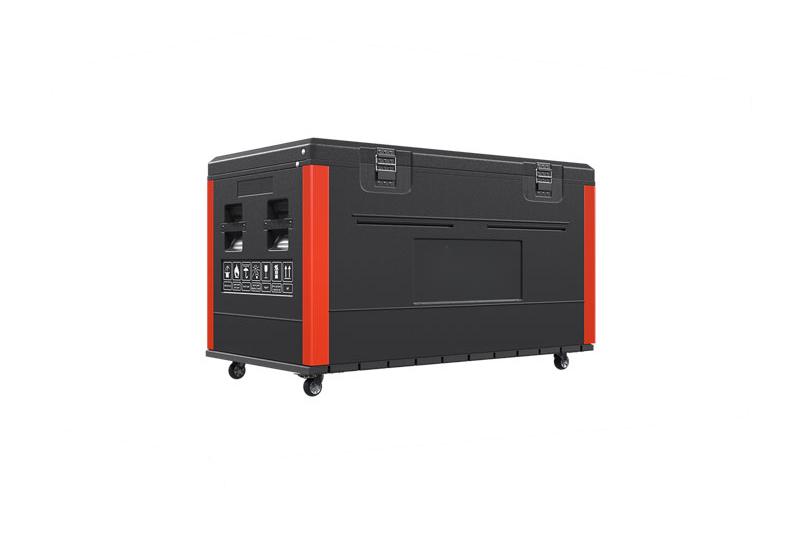
The application of plastic flight cases has produced a lot of convenience. In the past, many companies would have some anxiety when they had to haul precious commodities. They were afraid that the objects would be bumped during the transportation process. However, the flight case did a very good job
the flight case dimensions fall into 2 parts.the first part is the outside dimension, and it is easy to get into the meaning, and it is easy to understand.shown as below.