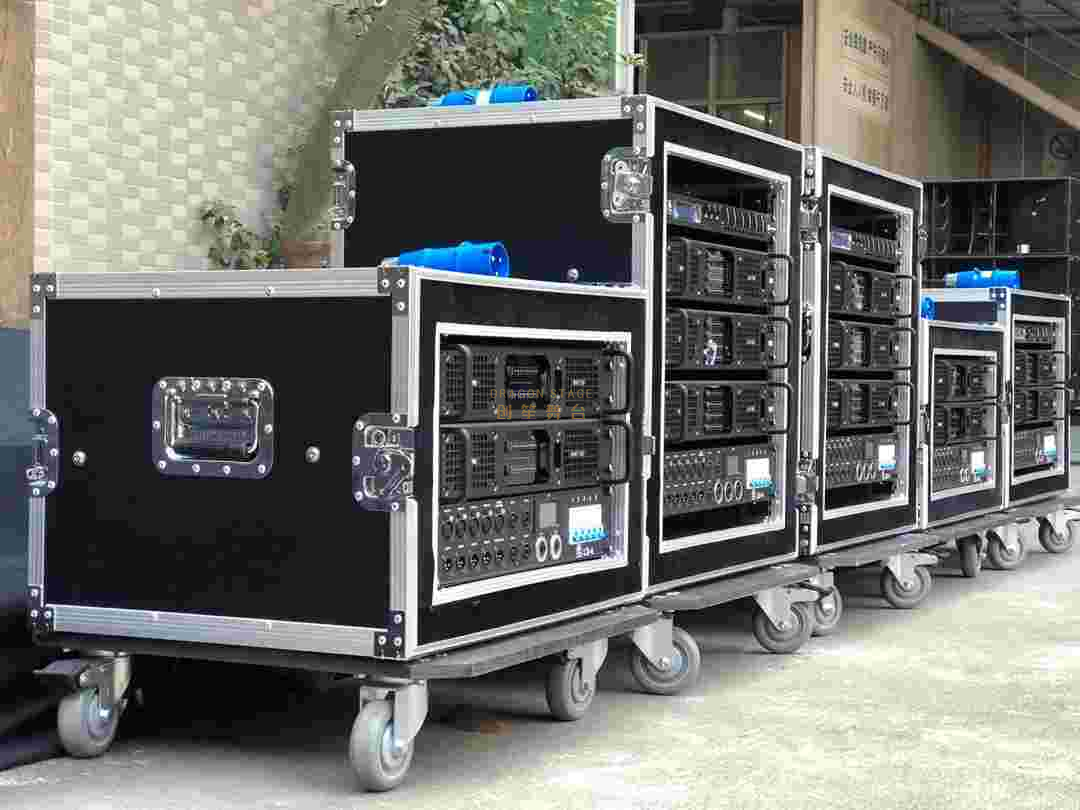
How to Choose a Flight Case: A Complete Buyer's Guide
How to Choose a Flight Case?
Choosing the right flight case is one of the most important decisions when transporting valuable equipment. Whether you need to protect audio equipment, lighting fixtures, LED screens, cameras, musical instruments, or industrial devices, a high-quality flight case can significantly reduce the risk of damage during transportation, storage, and frequent handling.
Besides selecting the correct size, buyers should also understand the materials, construction methods, and protective features used in professional flight cases. If you're unsure which type best suits your application, you may also find What Are the Benefits of Using a Flight Case? helpful.
1. Identify What You Need to Protect
Before choosing a flight case, determine:
What equipment will be stored?
How often will it be transported?
Will it travel by truck, sea freight, or air freight?
Does it require waterproof or dustproof protection?
Will the equipment remain inside the case during operation?
Different equipment requires different protection levels. For example, LED display panels, moving head lights, mixers, and cameras all require different internal support structures.
Before ordering, it is also important to accurately measure your equipment dimensions. Refer to How Do I Measure My Equipment to Ensure the Right Flight Case Size?.
2. Choose the Right Case Material
The case material largely determines its durability, weight, and cost.
Plywood Flight Cases
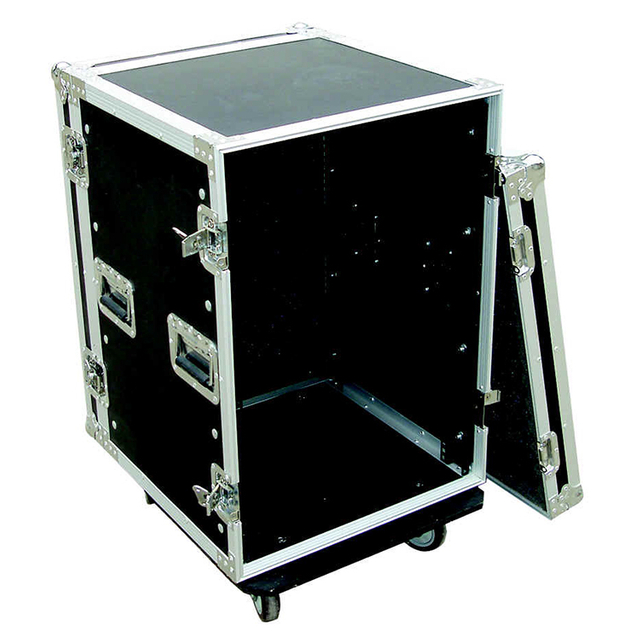
Plywood flight cases are the industry standard for professional event equipment.
Advantages:
Plywood remains one of the most widely used materials in the event industry. If you're comparing different construction materials, see What Type of Material Is Used in the Construction of Flight Cases?.
ABS Flight Cases
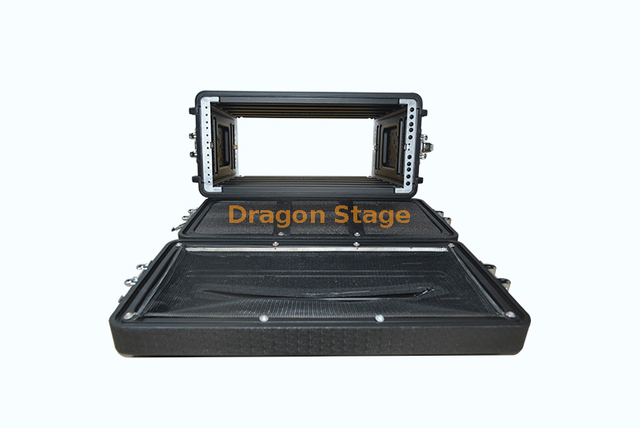
ABS flight cases are lightweight and offer good impact resistance.
Advantages:
Lightweight
Attractive appearance
Resistant to moisture
If you're deciding between wooden and plastic cases, read What Are The Key Factors To Consider When Choosing between Wood And Plastic for A Flight Case?.
PE / HDPE Flight Cases
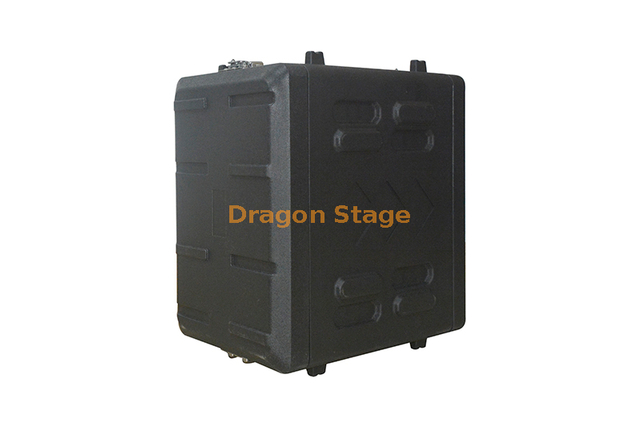
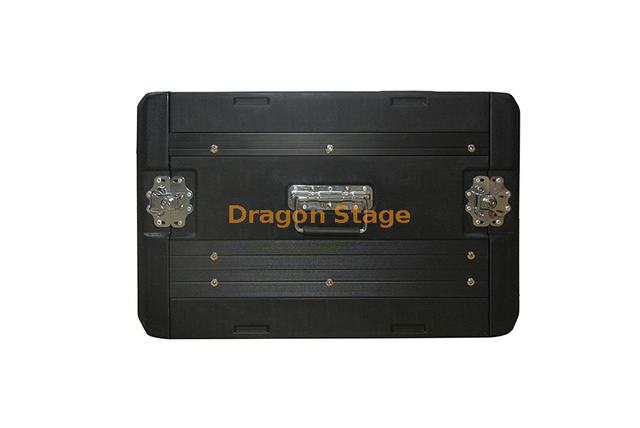
Plastic molded cases provide excellent waterproof performance and impact resistance.
Advantages:
Waterproof
Corrosion resistant
Easy to clean
To better understand plastic cases, you may also read:
3. Check the Thickness of the Panels
Panel thickness directly affects durability.
Generally speaking:
9 mm — Light-duty equipment
12 mm — Professional event equipment
15 mm+ — Heavy industrial equipment
The panel thickness should always match the weight and transportation frequency of your equipment rather than simply choosing the thickest option.
4. Examine the Aluminum Profiles
Most professional flight cases use aluminum extrusions to reinforce the edges.
High-quality aluminum profiles provide:
For aluminum flight cases, proper maintenance can significantly extend their lifespan. Learn more in How to Maintain the Aluminum Flight Case.
5. Evaluate the Shockproof Interior
The interior protection is just as important as the exterior shell.
Common cushioning materials include:
EVA foam
PE foam
Grid foam
Pearl foam
Different equipment requires different foam densities and cutting methods to prevent movement during transportation.
6. Inspect the Hardware Accessories
A flight case is only as reliable as its hardware.
Pay attention to:
Butterfly latches
Recessed handles
Steel corners
Hinges
Rivets
High-quality hardware ensures the case remains secure after years of repeated loading and unloading.
7. Choose Suitable Wheels
Professional touring flight cases generally use heavy-duty 3.5-inch or 4-inch swivel casters with locking mechanisms.
Good wheels provide:
Higher load capacity
Smooth transportation
Easier maneuverability
Better durability
8. Examine the Construction Quality
A well-built flight case should feature:
Clean rivet installation
Tight panel joints
Reinforced corners
Flat bottom plate
Strong adhesive bonding
Professional manufacturers pay close attention to every assembly detail because poor workmanship often causes premature failure during transportation.
9. Consider Custom Flight Cases
Standard cases work well for common equipment, but custom flight cases provide the highest level of protection.
Typical custom options include:
CNC-cut foam
Divider compartments
Rack systems
Cable storage
Accessory drawers
Custom logos
If you're planning a custom solution, read How To Custom Produce A Flightcase to understand the production process.
10. Don't Ignore After-Sales Service
A professional manufacturer should provide:
Spare hardware
Replacement wheels
Repair services
Technical support
Reliable after-sales support often determines the true lifetime value of a flight case.
Common Mistakes When Buying a Flight Case
Many buyers only compare prices.
Instead, evaluate:
Material quality
Hardware durability
Interior protection
Manufacturing quality
Customization capability
After-sales support
If you wonder why professional flight cases appear expensive, read Why Are Event Flight Cases Not Cheap?.
Frequently Asked Questions
What is the best material for a flight case?
It depends on the application. Plywood is widely used for touring equipment, while PE and HDPE cases offer superior waterproof performance.
How thick should a flight case be?
For most professional event equipment, 12 mm plywood is considered the industry standard.
Is EVA foam better?
Yes. EVA foam generally provides better shock absorption and longer service life than ordinary foam.
Should I choose a custom flight case?
If your equipment is valuable, fragile, or frequently transported, a custom-designed flight case is usually the best investment.
Conclusion
Choosing the right flight case involves much more than selecting a box with wheels. Material selection, panel thickness, aluminum profiles, foam protection, hardware quality, wheels, construction techniques, and after-sales service all influence the safety of your equipment and the overall service life of the case.
By understanding these factors and selecting a flight case designed specifically for your application, you can greatly reduce transportation risks while improving operational efficiency.
If you are still comparing different flight case options, you may also be interested in How Much Do Event Flight Cases Cost? to understand the pricing factors before making a purchasing decision.