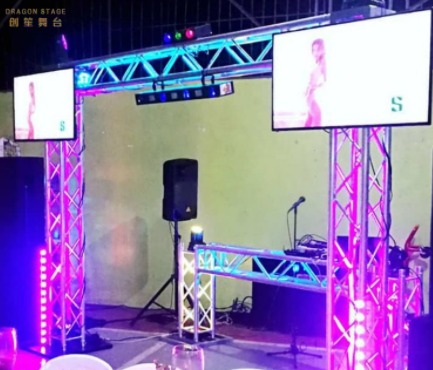
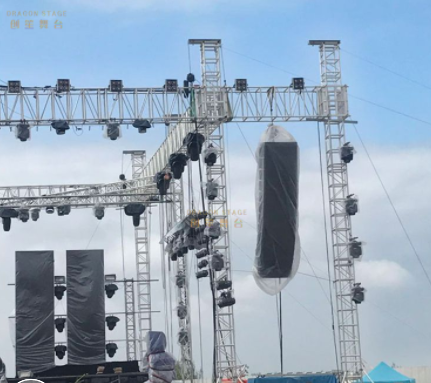
Successful event structures are built through proper planning, correct assembly procedures and disciplined field execution.
Whether installing a modular stage platform, assembling an aluminum truss roof, erecting a lighting support structure or setting up an access scaffold, practical installation knowledge is essential for ensuring structural safety, operational efficiency and long-term reliability.
This knowledge center provides installation guidance, assembly procedures, engineering practices and field experience related to modular stage, truss and scaffolding systems.
The articles collected here are intended for event professionals, production companies, rental providers, installers, technicians and project managers seeking practical knowledge for temporary event structures.
This knowledge center covers:
These topics help bridge the gap between engineering design and real-world execution.
For newcomers and experienced installers alike, installation knowledge can be approached progressively.
Learn how individual structural components function within a complete system.
Topics include:
Understanding component functions is the first step toward safe installation.
Learn how modular systems are assembled correctly.
Topics include:
Proper assembly procedures ensure that loads are transferred through intended structural paths.
Learn how complete structures are installed in real project environments.
Topics include:
Project installation focuses on coordination between structural systems and operational requirements.
Learn the engineering logic behind installation planning and execution.
Topics include:
These concepts are commonly applied in large-scale concerts, exhibitions, touring productions and temporary event infrastructure projects.

Installation Procedure for a Dome Roof Truss SystemInstalling a dome roof truss system requires careful planning, specialized equipment, and a phased approach to ensure structural integrity and safety. Below is a step-by-step guide tailored to your requirements:1. Pre-Installation PreparationDesign
Read More
IntroductionConcert stages are very different from standard event stages. They must support high loads, dynamic movement, and complex structural systems.A concert stage is not only a platform — it is part of a complete system that includes:lighting trusssound systemsLED screensroof structuresChoosin
Read More
how to install aluminum truss? With the diversification of people's lifestyles, an increasing number of companies are attracting customers by organizing various commercial events and performances. Aluminium trusses are used in almost every large show and can be considered as a vital presence in larg
Read More
How to Assemble Stage Truss (Component Assembly Guide & Safety Tips)Assembling a stage truss involves connecting beams, columns, and support components before lifting the structure. It is one part of the full truss installation process. For complete setup including design, load calculation, and lift
Read More
How to Build Event Truss (Step-by-Step Installation Guide, Safety & Setup)Building an event truss involves assembling the base, connecting truss sections, installing supports, and lifting the structure safely. Proper load control, ground stability, and safety rigging are essential to ensure a secure
Read MoreModular stage systems require correct support spacing, deck installation procedures and structural verification before use.
Key topics include:
Recommended reading:
Aluminum truss systems are among the most widely used temporary structures in the event industry.
Topics include:
Recommended reading:
Lighting structures require additional attention to load distribution, hanging equipment and rigging operations.
Topics include:
Recommended reading:
Scaffolding systems provide temporary access, maintenance platforms and elevated working areas.
Topics include:
Recommended reading:
Rigging procedures play a critical role in temporary structure installation.
Topics include:
Proper rigging practices reduce installation risks and improve operational safety.
This engineering guide explains the complete methodology used to assess, plan, assemble, verify and commission temporary structures.
Topics include:
This resource serves as the primary engineering reference for installation planning across stage, truss and scaffolding systems.
Many installation problems are preventable.
The most common issues include:
Missing bracing elements significantly reduce structural stability.
Improperly installed bolts, pins or connectors can compromise load transfer.
Unstable foundations create unintended load concentrations.
Applying loads before assembly completion can overstress structural components.
Failure to verify connections and alignment often leads to avoidable operational risks.
A structured installation process minimizes these issues and improves project outcomes.
Both are essential. Engineering calculations determine what should be built, while installation experience determines whether the structure is assembled correctly in real-world conditions.
Yes. Bolt trusses, spigot trusses and heavy-duty truss systems have different connection methods and assembly requirements.
Inspection verifies that the structure has been assembled according to design intent and that all critical components are functioning correctly.
Improper assembly, missing bracing, connection errors and insufficient inspection are among the most common causes of installation-related structural incidents.
Continue exploring:
Understand load paths, stability principles, structural behavior and engineering design concepts.
Learn how engineering controls, inspections and operational procedures reduce structural risks.
Explore aluminum alloys, structural components, connectors and material performance characteristics.
Compare stage systems, truss configurations, scaffolding structures and support solutions for different applications.
Installation knowledge transforms engineering designs into safe and functional structures.
By understanding assembly procedures, installation methodology, rigging practices and inspection requirements, project teams can improve safety, efficiency and reliability across stage systems, truss structures and scaffolding installations.
This knowledge center serves as a practical resource for professionals involved in the planning, assembly and operation of temporary event structures.