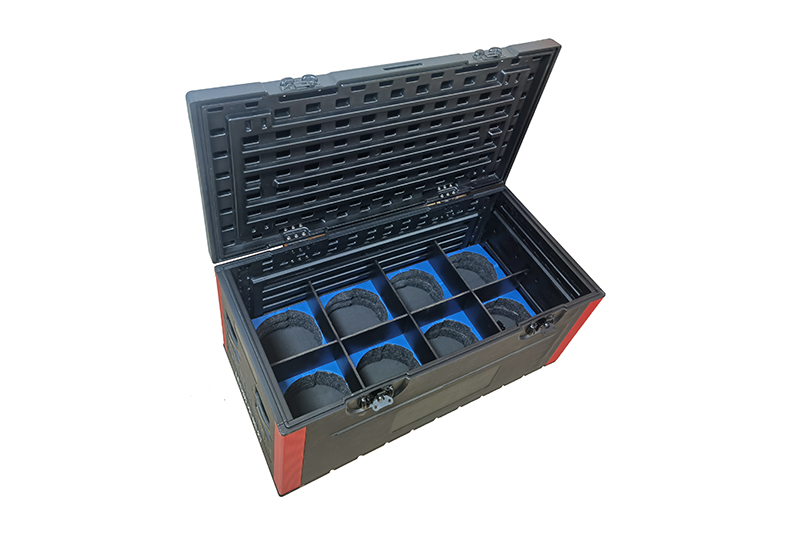
Professional Knowledge of Flight Case Maintenance
Professional flight cases are designed to protect valuable equipment during transportation, storage, and daily operation. Whether used for stage lighting, audio systems, LED displays, cameras, musical instruments, or industrial equipment, regular maintenance helps extend the service life of both the flight case and the equipment inside.
Although flight cases are built to withstand heavy use, routine inspection and proper maintenance can prevent unnecessary repairs, reduce transportation risks, and maintain their professional appearance.
If you are new to flight cases, you may first read How to Choose a Flight Case to understand their construction and materials.
Why Flight Case Maintenance Matters
A flight case is exposed to repeated loading, unloading, vibration, moisture, dust, and impact throughout its lifetime.
Without regular maintenance, problems such as loose hardware, damaged foam, worn wheels, or bent aluminum profiles may gradually reduce its protective performance.
Routine maintenance helps:
Extend service life
Improve transportation safety
Reduce repair costs
Protect expensive equipment
Maintain a professional appearance
1. Clean the Exterior Regularly
Dust, dirt, and moisture should be removed after each major project.
Use:
A soft microfiber cloth
Mild detergent
Clean water
Avoid:
Strong solvents
Acidic cleaners
Abrasive brushes
Keeping the exterior clean also makes it easier to identify cracks or damage before the next transportation.
2. Inspect the Aluminum Profiles
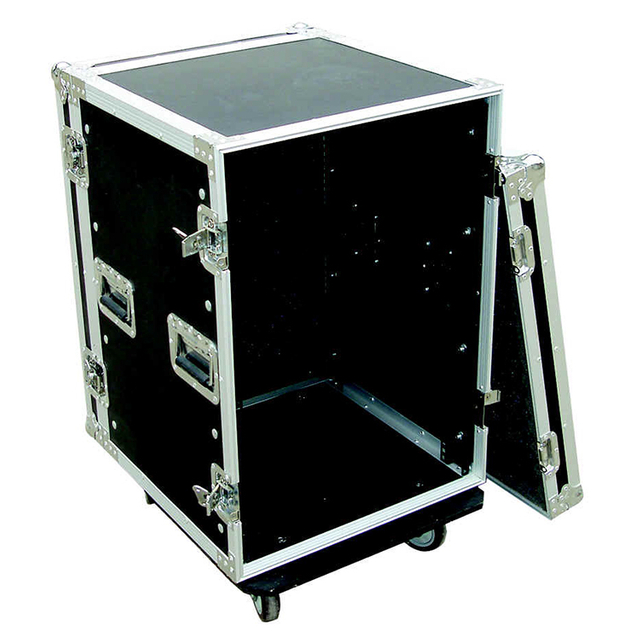
The aluminum frame forms the structural skeleton of most professional flight cases.
Check regularly for:
Bent edges
Loose rivets
Deep scratches
Corrosion
Deformation after impact
Minor damage should be repaired before it affects the overall strength of the case.
For aluminum case construction, see What Type of Material Is Used in the Construction of Flight Cases?.
3. Maintain the Hardware
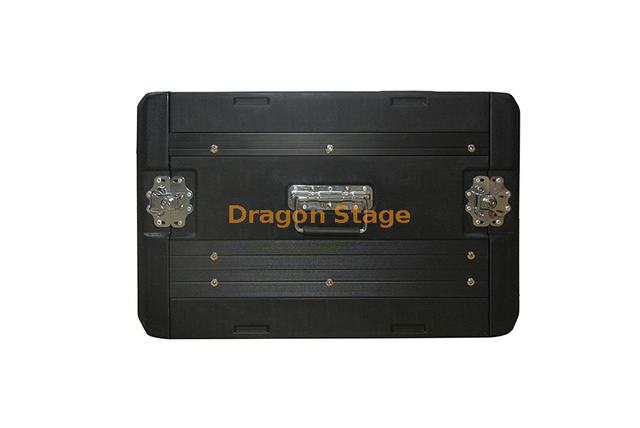
Butterfly latches, hinges, handles, and corners experience the highest level of wear.
Inspect for:
Loose screws
Bent latches
Worn hinges
Rust
Poor locking performance
Moving parts may be lubricated occasionally using a suitable light machine oil.
Avoid excessive lubrication that attracts dust.
4. Check the Wheels
Caster wheels support the full weight of both the flight case and its contents.
Inspect:
Wheel rotation
Brake function
Bearing wear
Flat spots
Loose mounting bolts
Replace damaged wheels immediately to prevent accidents during transportation.
5. Inspect the Interior Foam
The foam provides most of the shock protection.
Look for:
Permanent compression
Cracks
Torn edges
Loose adhesive
Water damage
Damaged foam should be replaced before transporting sensitive equipment.
To better understand cushioning systems, read Anti-Shock Technology of Flight Cases.
6. Keep the Interior Dry
Moisture is one of the biggest enemies of electronic equipment.
After outdoor events:
Dry the case before closing it.
Remove any standing water.
Allow moisture to evaporate naturally.
Store the case in a ventilated environment.
Never store a wet flight case for long periods.
7. Store Flight Cases Properly
When not in use:
Store indoors.
Avoid direct sunlight.
Keep away from chemicals.
Maintain moderate humidity.
Stack only within the recommended load limit.
Proper storage reduces long-term deformation and extends the service life of the case.
8. Inspect After Every Transportation
After long-distance transportation, check for:
Loose hardware
Damaged foam
Broken handles
Wheel damage
Bent aluminum
Panel cracks
Early inspection prevents small problems from becoming expensive repairs.
For transportation best practices, see How Do I Transport My Flight Case Safely?.
Common Maintenance Mistakes
Avoid these common errors:
Dragging the case instead of rolling it
Overloading beyond the design capacity
Using damaged wheels
Ignoring loose rivets
Storing the case in damp environments
Continuing to use worn-out foam
These practices significantly shorten the service life of a flight case.
Frequently Asked Questions
How often should a flight case be inspected?
Professional touring equipment should be inspected after every major event or transportation.
Can damaged foam be replaced?
Yes. Most professional flight cases allow the foam inserts to be replaced without replacing the entire case.
Should hardware be lubricated?
Yes, but only lightly. Excess lubricant attracts dust and debris.
How long can a professional flight case last?
With proper maintenance, a high-quality flight case can remain in service for many years, even under demanding touring conditions.
Conclusion
Regular maintenance is essential for maximizing the lifespan and protective performance of a flight case. Cleaning, hardware inspection, wheel maintenance, foam replacement, and proper storage all contribute to safer transportation and lower operating costs.
A well-maintained flight case not only protects valuable equipment but also reduces downtime, improves operational efficiency, and preserves your investment over the long term.
If you are purchasing a new flight case, you may also be interested in How to Choose a Flight Case and What Are the Benefits of Using a Flight Case?.