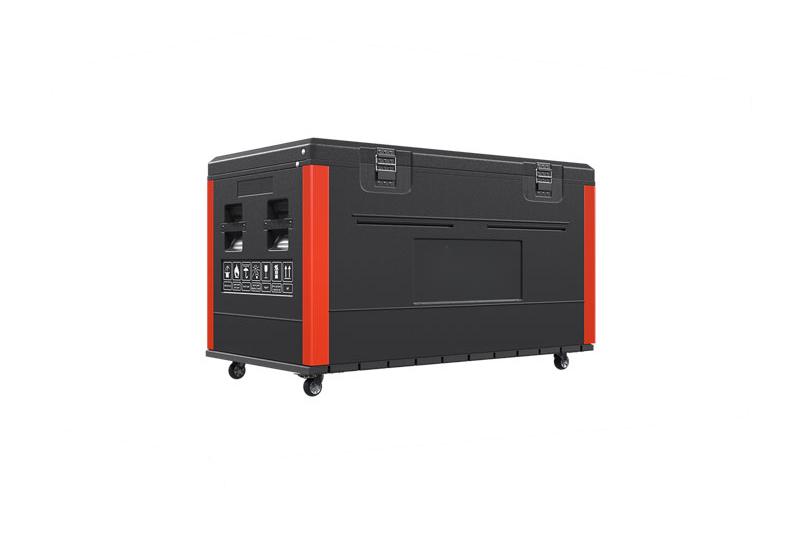
Anti-Shock Technology of Flight Cases
During transportation, valuable equipment is exposed to vibration, shock, impact, stacking pressure, and repeated handling. Without proper protection, even a small drop or continuous road vibration can cause expensive damage to electronic devices, lighting fixtures, cameras, musical instruments, laboratory instruments, and industrial equipment.
This is why professional flight cases rely on anti-shock technology. Instead of simply enclosing equipment inside a wooden box, a properly designed flight case absorbs external forces before they reach the equipment inside.
If you are new to flight cases, you may first read How to Choose a Flight Case to understand the basic construction and selection principles.
Why Is Anti-Shock Protection Important?
From the factory to the final destination, equipment typically experiences multiple stages of transportation:
Factory handling
Truck transportation
Warehouse storage
Forklift loading
Sea freight
Air freight
Final installation
Each stage introduces different types of mechanical stress.
Common risks include:
Sudden impacts
Continuous vibration
Compression
Dropping
Tilting
Collision
Without proper cushioning, these external forces are transmitted directly to the equipment, increasing the possibility of structural damage or internal component failure.
How Does a Flight Case Absorb Shock?
A professional flight case protects equipment through multiple protective layers rather than relying on a single material.
The protection system normally includes:
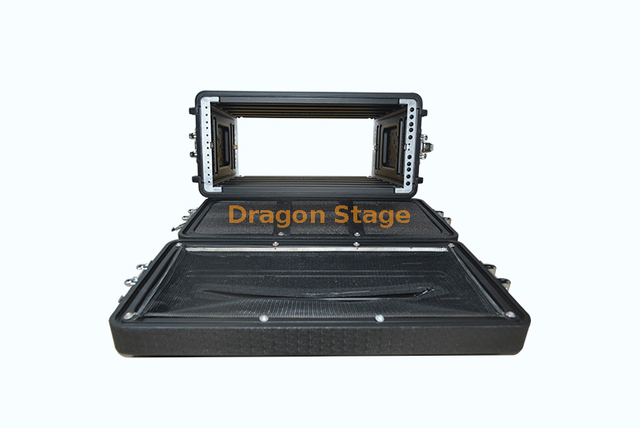
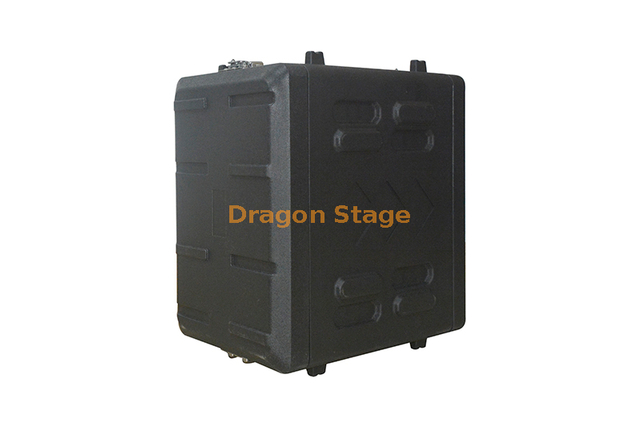
Exterior plywood or plastic shell
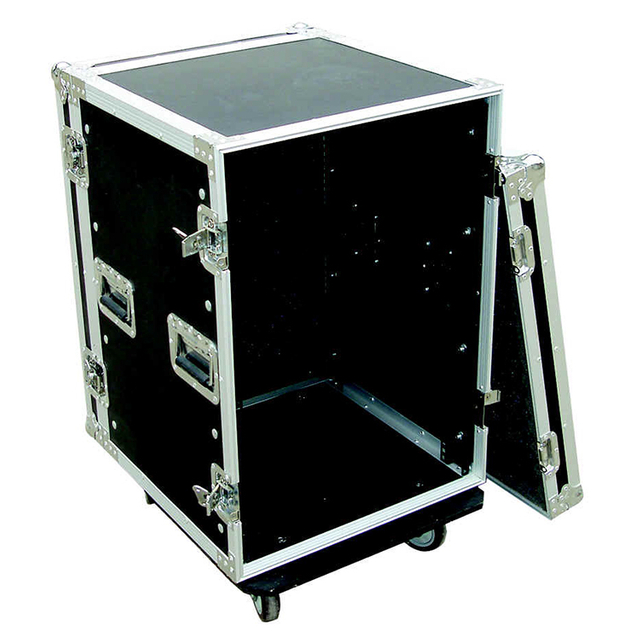
Aluminum frame
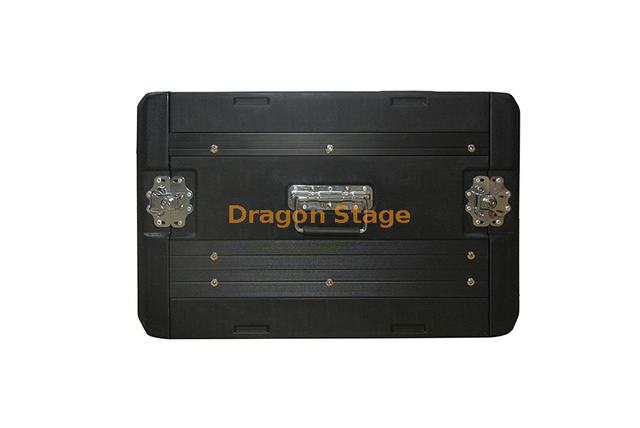
Steel hardware
Shock-absorbing foam
Proper equipment clearance
Secure internal positioning
Each layer absorbs part of the external energy, reducing the impact transmitted to the equipment.
EVA Foam: The Core of Flight Case Shock Protection
Among all cushioning materials, EVA foam is one of the most widely used in professional flight cases.
Advantages include:
Unlike ordinary sponge, EVA foam maintains its shape after repeated compression, making it ideal for equipment that is transported frequently.
Custom Foam Inserts Provide Maximum Protection
The effectiveness of anti-shock technology depends largely on the design of the interior foam.
Professional manufacturers first create engineering drawings based on the equipment dimensions.
Using CNC cutting machines, the foam is then precisely machined so the equipment fits securely inside the case.
Proper foam design prevents:
Equipment movement
Corner impacts
Pressure concentration
Internal collisions
This customized approach greatly improves transportation safety.
If you are planning a custom project, you may also be interested in How To Custom Produce A Flightcase.
Different Equipment Requires Different Cushioning
Not every flight case uses the same foam structure.
For example:
| Equipment | Recommended Protection |
|---|
| LED Display | High-density EVA with corner protection |
| Moving Head Light | CNC-cut EVA cradle |
| Camera Equipment | Multi-layer foam compartments |
| Audio Mixer | Rack-mounted shock isolation |
| Medical Instruments | Precision CNC foam with full enclosure |
| Laboratory Equipment | High-density polyurethane or EVA inserts |
Selecting the proper cushioning system depends on equipment weight, fragility, and transportation frequency.
Flight Case Structure Also Improves Shock Resistance
Foam alone cannot provide complete protection.
Other important structural components include:
Aluminum extrusions
Reinforced steel corners
Heavy-duty rivets
Butterfly latches
Strong handles
Quality casters
These components improve the structural rigidity of the flight case and distribute impact forces more evenly.
For a better understanding of flight case materials, read What Type of Material Is Used in the Construction of Flight Cases?.
Anti-Shock Protection During Transportation
Even the best flight case should be transported correctly.
Professional recommendations include:
Secure the case during transport.
Avoid stacking beyond the design load.
Lock swivel casters before loading.
Lift instead of dragging over obstacles.
Inspect hardware after long-distance transportation.
You may also find How Do I Transport My Flight Case Safely? helpful.
Common Mistakes
Many equipment failures occur because of improper packaging rather than poor equipment quality.
Common mistakes include:
Using soft sponge instead of EVA foam
Leaving empty space inside the case
Choosing foam that is too thin
Ignoring equipment weight distribution
Using worn-out foam inserts
Selecting an undersized flight case
Frequently Asked Questions
Is EVA foam better than ordinary sponge?
Yes. EVA foam offers better shock absorption, higher durability, and maintains its shape after repeated use.
Can a flight case completely eliminate vibration?
No.
A professional flight case significantly reduces vibration and impact, but no packaging system can eliminate all mechanical forces during transportation.
Why are custom foam inserts better?
Because they match the exact dimensions of the equipment, preventing movement and distributing impact forces evenly.
How long does EVA foam last?
Under normal professional use, high-quality EVA foam can provide many years of reliable protection before replacement becomes necessary.
Conclusion
The anti-shock performance of a flight case depends on far more than the exterior shell. High-quality materials, precision-engineered foam inserts, reinforced hardware, and proper structural design all work together to minimize vibration and impact during transportation.
Investing in a professionally designed flight case not only protects valuable equipment but also reduces maintenance costs, minimizes downtime, and extends the service life of the equipment.
If you are still selecting a suitable flight case, you may also read How to Choose a Flight Case and What Are the Benefits of Using a Flight Case? before making your decision.