Flight Case Anatomy: Understanding the Internal and External Structure of a Flight Case
A flight case is much more than a simple storage box. It is a carefully engineered protective system designed to safeguard valuable equipment during transportation, storage, and frequent handling. Every component—from the exterior shell to the interior foam—plays an important role in protecting the equipment inside.
Understanding the internal and external structure of a flight case helps buyers select the right design for their application and evaluate product quality more effectively.
If you're new to flight cases, you may first read How to Choose a Flight Case.
Overview of a Flight Case Structure
A professional flight case consists of two major sections:
Together, these components create a durable transportation solution capable of protecting equipment from impacts, vibration, dust, and moisture.
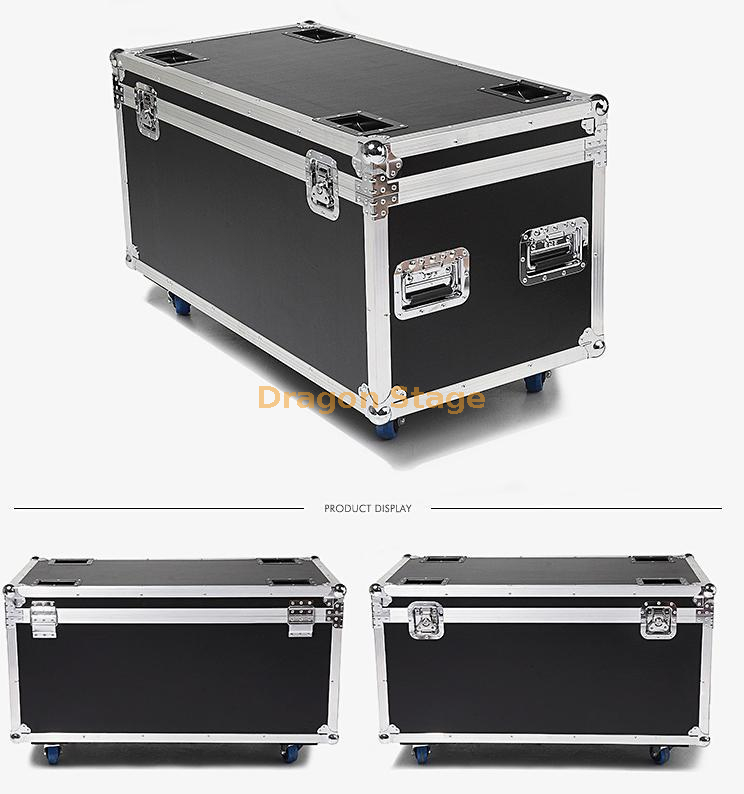
External Structure
The external structure forms the first line of defense against physical damage.
Flight Case Panels
Most traditional flight cases use high-quality plywood as the main panel material.
The panels are typically laminated with protective surface materials such as:
ABS laminate
Fire-resistant laminate
Aluminum sheet
Decorative laminate
These surfaces improve durability while protecting the panels from scratches and moisture.
For more information about materials, see What Type of Material Is Used in the Construction of Flight Cases?.
Aluminum Profiles
Aluminum alloy extrusions reinforce every edge of the flight case.
Their functions include:
Professional flight cases usually use anodized aluminum profiles for better corrosion resistance and longer service life.
Corner Protectors
Each corner is reinforced using heavy-duty steel or aluminum corner protectors.
These components absorb impact during:
Loading
Transportation
Stacking
Unloading
Rounded ball corners are commonly used on professional touring flight cases because they reduce impact damage and improve stacking safety.
Hardware Components
The hardware allows the flight case to operate safely during repeated transportation.
Typical hardware includes:
Butterfly latches
Recessed handles
Hinges
Rivets
Lid stays
Locking mechanisms
High-quality galvanized or stainless-steel hardware provides excellent corrosion resistance and long-term durability.
Wheels
Large flight cases usually include heavy-duty caster wheels.
Professional wheels typically feature:
Polyurethane (PU) tires
Swivel casters
Locking brakes
Precision bearings
Proper wheels improve mobility while reducing vibration during transportation.
Internal Structure
The interior is designed to prevent equipment from moving inside the case.
EVA Foam
EVA foam is one of the most commonly used cushioning materials.
It provides:
Its resilience makes it ideal for protecting delicate equipment.
Custom Foam Inserts
Many professional flight cases include CNC-cut foam designed specifically for the equipment.
Custom inserts:
Different foam densities can be selected depending on the weight and fragility of the equipment.
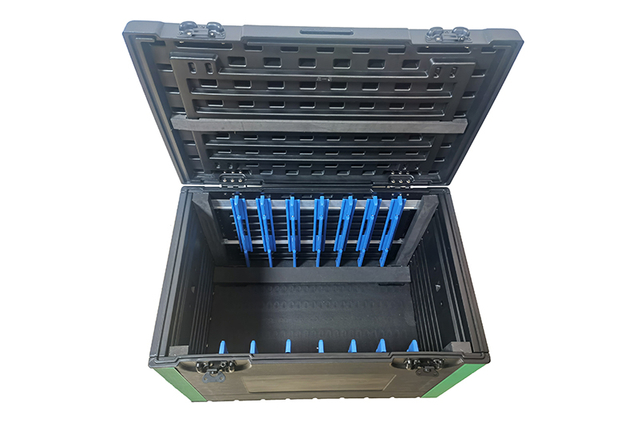
Divider Panels
Some flight cases include removable divider panels.
These partitions allow multiple items to be transported safely inside one case while preventing them from contacting each other.
They are commonly used for:
Microphones
Lighting accessories
Cables
Camera lenses
Small electronic devices
Shock Absorption System
The combination of foam, partitions, and secure equipment positioning creates an effective shock-absorption system.
This helps minimize damage caused by:
How the Structure Protects Equipment
Every component works together to protect valuable equipment.
| Component | Primary Function |
|---|
| Panels | Structural strength |
| Aluminum Profiles | Edge reinforcement |
| Corner Protectors | Impact protection |
| Hardware | Secure operation |
| Wheels | Easy transportation |
| EVA Foam | Shock absorption |
| Divider Panels | Equipment organization |
| Custom Foam | Equipment stabilization |
A weakness in any one component can reduce the overall protection offered by the flight case.
Why Construction Quality Matters
Two flight cases may appear similar externally while having significant differences in construction quality.
Key factors include:
Choosing high-quality components results in a longer service life and better protection for valuable equipment.
To learn more, see The Difference Between Flight Case Raw Materials: A Complete Quality Guide.
Typical Applications
Well-designed flight cases are widely used for transporting:
Different applications may require different internal layouts and protective materials.
Frequently Asked Questions
Why is EVA foam commonly used?
EVA foam combines excellent shock absorption, durability, and moisture resistance, making it one of the best materials for protecting valuable equipment.
Can the interior of a flight case be customized?
Yes. Professional manufacturers can design custom foam inserts, divider panels, and compartments based on the equipment being transported.
For more information, see How To Custom Produce A Flightcase.
Why are aluminum profiles important?
Aluminum profiles reinforce the structure, improve rigidity, and protect the panel edges from damage during transportation.
Which component wears out first?
The wheels, latches, and handles typically experience the greatest wear because they are used during every transportation cycle.
Conclusion
A flight case achieves its outstanding protective performance through the combination of a strong external structure and a carefully designed internal cushioning system. Panels, aluminum profiles, corner protectors, hardware, wheels, EVA foam, and custom inserts all contribute to protecting valuable equipment from impact, vibration, dust, and moisture.
Understanding how these components work together not only helps buyers evaluate flight case quality but also ensures they choose the most appropriate design for their specific application.
If you're planning to purchase or customize a flight case, you may also find these guides useful: