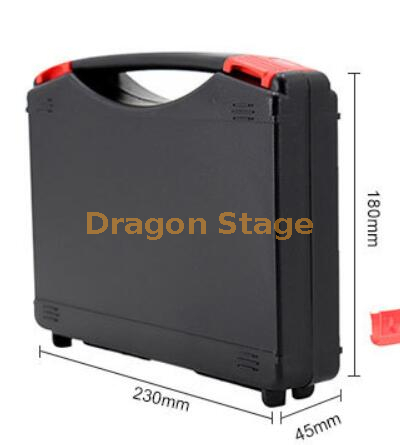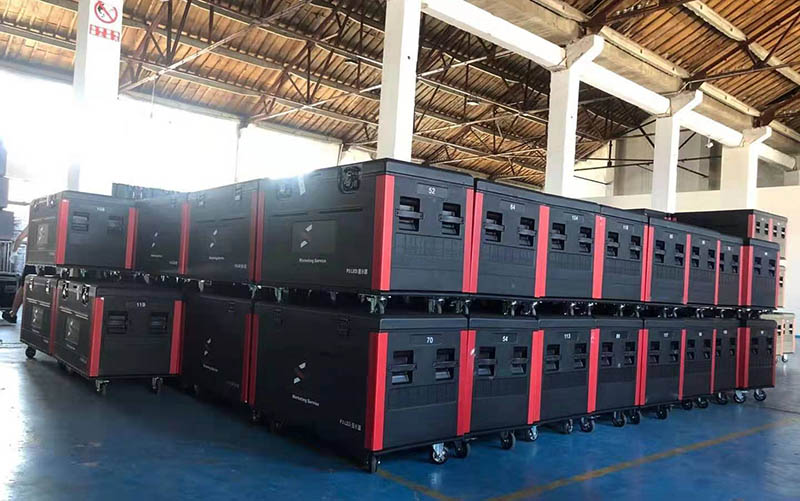
HDPE Cases vs. Other Protective Case Materials: What's the Difference?
Choosing the right protective case involves more than selecting the correct size. The material used to manufacture the case has a significant impact on durability, weight, waterproof performance, chemical resistance, and overall service life.
Among today's most popular protective case materials, High-Density Polyethylene (HDPE) is widely recognized for its exceptional durability and environmental resistance. However, it is not always the only option. Materials such as ABS, polycarbonate, plywood, and aluminum also have their own advantages depending on the application.
If you're unfamiliar with HDPE, you may first read What Is an HDPE Case?.
What Is HDPE?
HDPE (High-Density Polyethylene) is a high-performance engineering plastic known for its:
High impact resistance
Excellent toughness
Chemical resistance
Waterproof performance
Lightweight construction
Long service life
Because of these properties, HDPE is widely used for professional protective cases designed for harsh environments.
HDPE vs. ABS
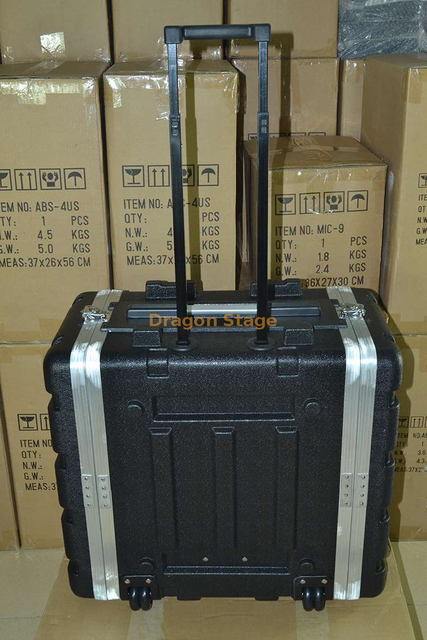
HDPE and ABS are two of the most common plastics used in protective cases.
HDPE Advantages
Higher impact resistance
Better low-temperature performance
Greater chemical resistance
Better outdoor durability
Longer service life
ABS Advantages
HDPE is generally preferred for demanding industrial or outdoor environments, while ABS is often selected for lighter-duty commercial applications.
For a more detailed comparison, see What Are the Differences Between PE Flight Case and ABS Flight Case?.
HDPE vs. Polycarbonate (PC)
Polycarbonate is another engineering plastic commonly used in protective equipment.
HDPE
Polycarbonate
Polycarbonate is often selected for precision instrument housings, while HDPE is preferred for rugged transportation cases.
HDPE vs. Plywood Flight Cases
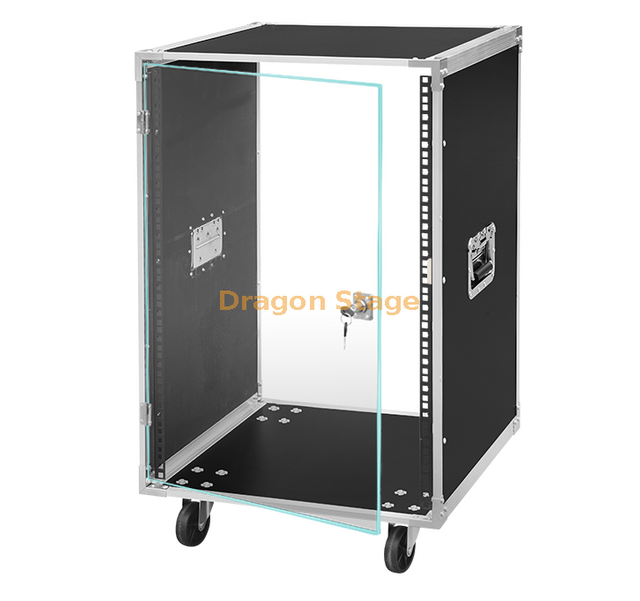
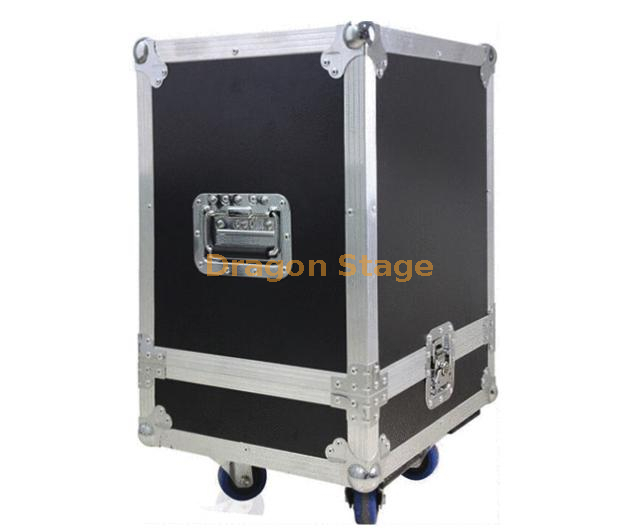
Traditional flight cases are commonly manufactured from plywood reinforced with aluminum profiles.
HDPE Cases
Traditional Flight Cases
Highly customizable
Easier to repair
Better for oversized equipment
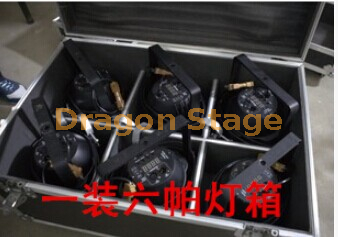
Ideal for stage, lighting, and audio systems
Professional event companies often continue to prefer traditional flight cases because custom dimensions are easier to manufacture.
To learn more, see Traditional Aluminum Flight Case vs. All-Aluminum Flight Case: What's the Difference?.
HDPE vs. Aluminum Cases
Both HDPE and aluminum cases provide excellent protection but are optimized for different environments.
HDPE
Aluminum
Higher structural rigidity
Premium appearance
Better heat resistance
Suitable for precision equipment
Easier to integrate custom compartments
The choice depends largely on whether impact resistance or structural rigidity is the higher priority.
HDPE vs. PE
Many buyers confuse PE with HDPE.
HDPE is actually a type of polyethylene with a much higher density than ordinary PE.
Compared with general PE materials, HDPE provides:
For a complete introduction, read What Is a PE Flight Case? Features, Manufacturing Process, and Applications.
Performance Comparison
| Property | HDPE | ABS | Polycarbonate | Plywood Flight Case | Aluminum Case |
|---|
| Impact Resistance | Excellent | Good | Excellent | Excellent | Good |
| Waterproof | Excellent | Good | Good | Depends on sealing | Good |
| Chemical Resistance | Excellent | Moderate | Moderate | Poor | Excellent |
| Weight | Light | Light | Moderate | Heavy | Moderate |
| Custom Sizes | Limited | Limited | Limited | Excellent | Excellent |
| Outdoor Use | Excellent | Good | Good | Moderate | Good |
Typical Applications for HDPE Cases
HDPE cases are commonly used for:
For more examples, see What Types of Items Can Be Stored in an HDPE Case?.
Frequently Asked Questions
Is HDPE stronger than ABS?
For impact resistance and outdoor durability, HDPE generally performs better than ABS.
Is HDPE waterproof?
Yes. HDPE itself is waterproof, and professionally designed HDPE cases often include sealing systems that provide excellent resistance to water and dust.
For more details, see Are HDPE Cases Waterproof?.
Are HDPE cases suitable for heavy industrial use?
Yes. Their combination of toughness, chemical resistance, and impact protection makes them suitable for demanding industrial applications.
Which material is best for professional stage equipment?
Traditional aluminum flight cases remain the preferred choice for most touring, lighting, audio, and LED display systems because they can be easily customized to different equipment sizes.
Conclusion
HDPE is one of the most versatile protective case materials available today. Compared with ABS, plywood, aluminum, and many other materials, HDPE offers an outstanding combination of impact resistance, waterproof performance, chemical resistance, and lightweight construction.
However, no single material is ideal for every application. The best choice depends on the equipment being protected, transportation conditions, environmental exposure, and customization requirements.
Understanding the strengths and limitations of each material will help you select the most appropriate protective case for your specific application.
If you're still deciding which type of flight case is right for your equipment, you may also find these guides useful: