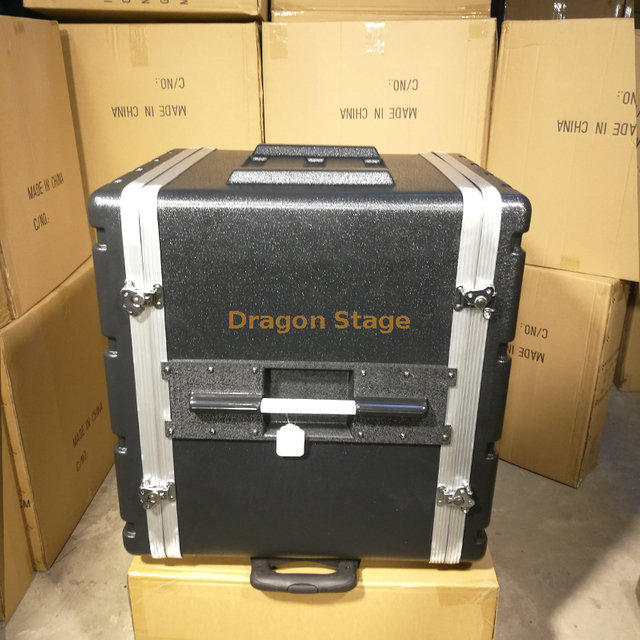
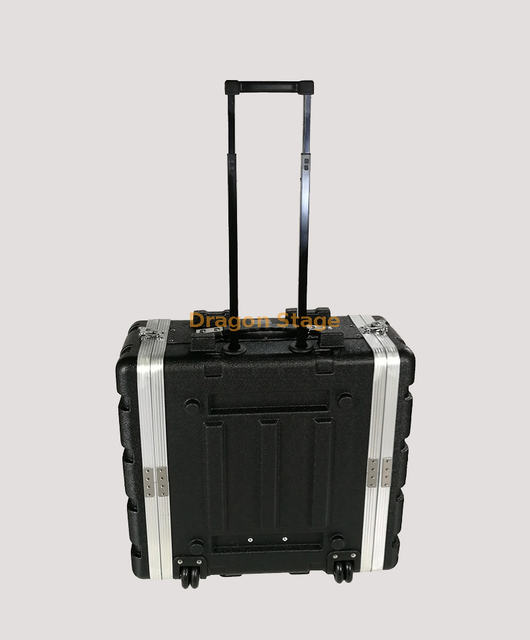
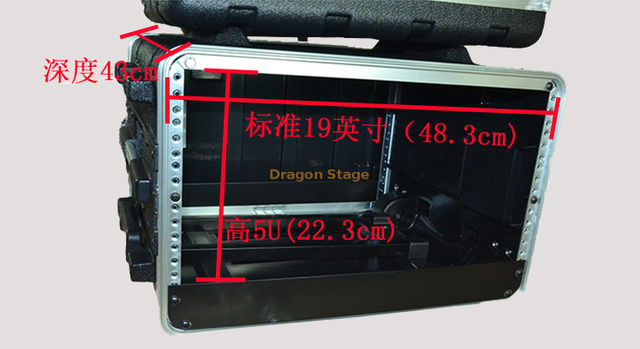
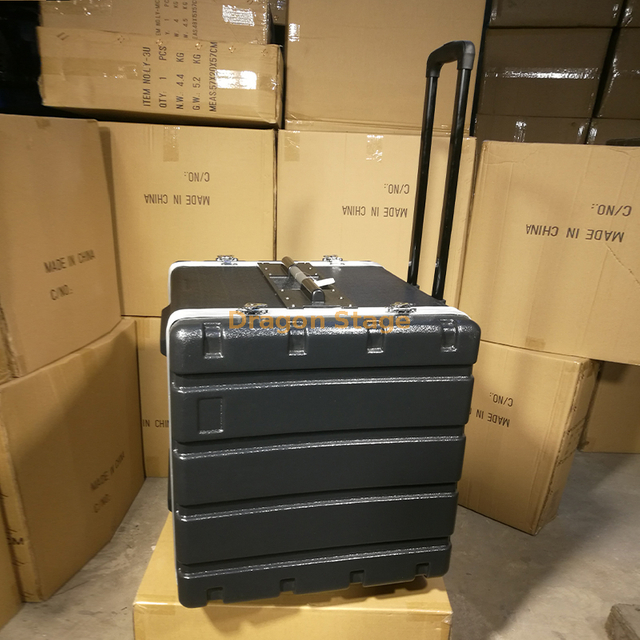
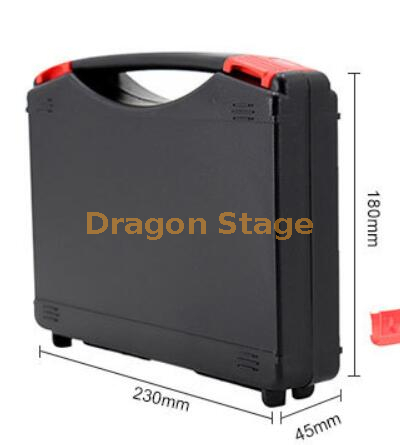
Yes, many HDPE (High-Density Polyethylene) cases are designed to be waterproof. However, whether an HDPE case is truly waterproof depends not only on the material itself but also on the overall case design, sealing system, and manufacturing quality.
While HDPE is naturally resistant to water, a case can only provide reliable waterproof protection when features such as sealing gaskets, secure latches, and pressure equalization valves are incorporated into the design.
If you are comparing different case materials, you may first read What Is HDPE Case?.
Why Is HDPE Naturally Water Resistant?
HDPE is a high-density polyethylene material widely used for manufacturing protective equipment cases because it offers excellent environmental resistance.
Its advantages include:
Low water absorption
Excellent chemical resistance
High impact strength
UV resistance
Corrosion resistance
Long service life
Unlike wood, HDPE does not absorb moisture, swell, or rot when exposed to water, making it an ideal material for outdoor applications.
What Makes an HDPE Case Waterproof?
The material alone does not determine whether a case is waterproof.
Professional waterproof HDPE cases usually include:
Rubber sealing gasket
Precision-molded shell
Waterproof locking latches
Pressure relief valve
Reinforced hinge system
Tight manufacturing tolerances
These components work together to prevent water from entering the case during transportation or outdoor use.
Waterproof vs Water Resistant
Many people confuse these two terms.
Water Resistant
Resists light rain and splashes
Suitable for everyday outdoor use
Not intended for submersion
Waterproof
Designed to prevent water intrusion
Suitable for heavy rain and wet environments
Some models can withstand temporary immersion depending on their IP rating
Understanding the difference is important when selecting a protective case for valuable equipment.
Understanding IP Ratings
Many waterproof HDPE cases are tested according to Ingress Protection (IP) standards.
Common ratings include:
IP Rating
Protection Level
IP54
Dust protected and splash resistant
IP65
Dust-tight and protected against water jets
IP67
Dust-tight and protected during temporary immersion in water
IP68
Dust-tight and suitable for prolonged immersion under specified conditions
Always verify the manufacturer's specifications, as the actual protection level depends on the complete case design rather than the HDPE material alone.
Typical Applications
Waterproof HDPE cases are widely used for protecting:
Cameras
Drones
Surveying equipment
Medical instruments
Military equipment
Scientific instruments
Electronic measuring devices
Outdoor communication equipment
Their rugged construction makes them suitable for harsh working environments.
Can Water Still Enter an HDPE Case?
Yes.
Even a waterproof case may leak if:
The gasket is damaged.
The latches are not fully closed.
The case is dropped and the seal is compromised.
The pressure relief valve is damaged.
The case is submerged beyond its rated depth or duration.
No. Although HDPE itself is water resistant, only cases with appropriate sealing systems and waterproof construction should be considered waterproof.
Can I submerge an HDPE case underwater?
Only if the manufacturer specifies an IP rating suitable for immersion, such as IP67 or IP68, and the case is used within the tested conditions.
Does HDPE absorb water?
No. HDPE has extremely low water absorption, which is one of the reasons it is widely used for protective equipment cases.
Is HDPE better than ABS for outdoor use?
In many outdoor environments, HDPE offers better resistance to moisture, UV exposure, and impacts, making it a preferred choice for demanding applications.
Conclusion
HDPE is one of the best materials available for manufacturing waterproof protective cases. However, true waterproof performance depends on the complete engineering of the case, including sealing gaskets, latching systems, pressure relief valves, and manufacturing precision.
When choosing a waterproof HDPE case, always evaluate the overall design and the manufacturer's IP rating rather than relying on the material alone. A well-designed HDPE case provides reliable protection against water, dust, impact, and harsh environmental conditions, making it an excellent solution for transporting sensitive equipment.
For further reading, you may also be interested in:
Explore the Dragon Stage HL Line Array Speaker Series, including compact passive line array speakers, active subwoofers and complete sound reinforcement systems for concerts, churches, conference halls, theaters and professional live events.
The A08 8 Channel Power Sequencer is a professional rack-mounted power management controller designed for stage sound systems, events and commercial audio installations. Featuring 8 independent power outputs, LED voltage display and sequential delay control for safe equipment startup and shutdown.
The AD260 AD280 AD210 AD215 Digital Power Amplifier Series delivers high-efficiency professional amplification from 600W to 1500W per channel at 8Ω. Featuring advanced digital amplifier technology, high damping factor and intelligent cooling, the AD Series is designed for professional stage sound, PA systems and large event audio applications.
The A430 A450 A470 Four Channel Power Amplifier Series provides professional Class AB amplification with 4-channel output configurations from 4×350W to 4×700W at 8Ω. Designed for PA systems, stage sound reinforcement, rental audio and commercial installations requiring flexible multi-channel power solutions.
The A High Power Professional Amplifier Series delivers ultra-high output from 2×1300W to 2×1800W at 8Ω, offering low distortion, high damping factor and stable performance for large-scale concerts, line array systems, passive subwoofers and touring sound reinforcement.
The A Professional Power Amplifier Series delivers reliable 2-channel amplification from 2×400W to 2×800W, featuring bridge mode, high damping factor, low distortion and stable performance for concerts, line array systems, PA speakers and fixed installations.
The L1200 Two Channel Power Amplifier is a high-power professional transformer amplifier delivering 2×1200W at 8Ω and 2×1800W at 4Ω. Featuring Class BT circuit design, high damping factor and low distortion, it is designed for professional PA systems, stage sound reinforcement and large speaker applications.
The L300 Two Channel Power Amplifier is a professional Class AB transformer amplifier delivering 2×300W at 8Ω and 2×400W at 4Ω. Designed for PA systems, stage sound, commercial audio installations and professional loudspeaker applications.
The L Professional Power Amplifier Series provides high-output 2-channel amplification from 2×400W to 2×1000W, featuring bridge mode, low distortion and reliable performance for line array, PA speakers and professional sound systems.
The AP Professional Power Amplifier Series delivers reliable 2-channel amplification for line array systems, PA speakers, monitor speakers and conference audio installations with low distortion, high damping factor and stable performance.
The Dragon Stage FIR Digital Speaker Processor features a 4-input, 8-output DSP architecture with FIR filtering, 32-bit DSP processing, advanced crossover control, parametric EQ, delay, limiter and professional loudspeaker management for touring, concerts and fixed installations.
A line array speaker flying frame (bumper) is a structural rigging accessory used to suspend line array speakers safely from truss systems, lifting motors, or hoisting points. It provides a secure connection between the speaker array and the suspension system while maintaining correct speaker angles and load distribution.
Heavy-duty aluminum swivel clamp for outrigger and tower support structures. Made from 6061 aluminum alloy, compatible with 48-52mm tubes, lightweight and durable for event truss, speaker tower and temporary structure applications.
Complete professional live sound system package supplied for Rwanda events, featuring HT215 dual 15-inch speakers, SUB218 dual 18-inch subwoofers, HP12 stage monitors, DSP processor, professional amplifiers and wireless microphones for concerts, festivals and large outdoor performances.
Dragon Stage 2x2m Ringlock Trade Market Booth is a modular temporary booth system designed for outdoor markets, exhibitions, festivals and promotional events. Featuring reusable Ringlock structure, canopy roof, rear curtain and front fabric curtain, it provides a stable and flexible solution for temporary retail spaces.
4x4x4m Custom outdoor aluminum truss structure designed for temporary events, equipment support, exhibitions and special applications. Modular lightweight aluminum frame with flexible configuration, easy installation and professional engineering support.
A 6×9m aluminum A-frame tent provides a durable and weather-resistant temporary structure for exhibitions, weddings, commercial events, hospitality, and outdoor activities. Built with a high-strength 6061-T6 aluminum frame and professional PVC fabric, it offers long service life, quick installation, and modular expandability.
A 6×12m aluminum pagoda tent is formed by connecting two standard 6×6m pagoda tents with an integrated rain gutter system. The modular design creates a larger weatherproof event space while maintaining the flexibility to install, transport, and expand the tent system for different applications.
A 3×6m aluminum pagoda tent is created by connecting two standard 3×3m pagoda tents with an integrated rain gutter system. It provides a larger covered area while maintaining the modular flexibility of individual pagoda tents, making it ideal for exhibitions, weddings, outdoor events, and commercial activities.
we also call it Exhibition Tent, Wedding Celebration Tent, VIP tent
the price has including the curtain walls and roofing.
The Aluminum Outdoor European-style Pointed Top Tent is a remarkable addition to any outdoor event or gathering. With its elegant design and sturdy construction, this tent offers both functionality and style.
Protect exposed floor cables and reduce trip hazards with our carpet cable cover mat. Featuring a durable PVC construction with a non-slip rubber base, it is ideal for exhibitions, conferences, offices, hotels, event venues, stages, schools, and temporary cable management applications.
Compatible with F32-F34 lighting systems, this boom arm is a perfect addition to any professional studio or on-location shoot. Its lightweight construction makes it easy to transport and set up, while its durable design ensures that it will provide years of reliable service.
- Material: Aluminium 6061 T6 - Dimensions (H x W x D): 90(40) x 150 x 40mm - Weight: 2.5kg
The MQ-G137 IP65 Battery Powered Wireless DMX LED Linear Wash Light is a professional outdoor lighting fixture designed for concerts, festivals, architectural lighting, wedding productions, rental companies, television studios, hotels, churches, and large-scale event installations. Available with 21 or 18 high-brightness 10W RGBWA+UV LEDs, it combines a built-in rechargeable battery, 2.4GHz Wireless DMX, and IP65 waterproof protection to deliver powerful linear wash lighting without the need for external power or signal cables.
Unlike traditional PAR fixtures, the MQ-G137 features a linear bar design, making it especially suitable for evenly illuminating walls, stage backdrops, trusses, scenic elements, and architectural façades. Its wide coverage, vibrant RGBWA+UV color mixing, and cable-free operation make it an excellent solution for both indoor and outdoor professional lighting applications.
The MQ-IP1815 IP65 Battery Powered Wireless DMX LED Wash Light is a high-output professional lighting fixture engineered for concerts, festivals, touring productions, architectural lighting, rental companies, television studios, churches, hotels, and outdoor event installations. Featuring 18 high-brightness 15W RGBWA+UV LEDs, a 19500mAh rechargeable battery, built-in 2.4GHz Wireless DMX, and IP65 waterproof construction, it delivers powerful, uniform wash lighting without the limitations of power or signal cables.
Its high-power LED engine produces intense color output with smooth RGBWA+UV mixing, making it suitable for illuminating large stages, building façades, event backdrops, and landscape features. Designed for rapid deployment, the MQ-IP1815 helps production crews reduce installation time while maintaining professional lighting performance in demanding indoor and outdoor environments.
To learn more about complete lighting systems, visit our Stage Lighting knowledge hub. The MQ-IP1815 integrates seamlessly with our LED Par Lights, Wash Lights, and professional Lighting Accessories.
The MQ-G90 IP65 Battery Powered Wireless DMX LED Uplight is a professional rechargeable LED wash light designed for concerts, weddings, architectural lighting, churches, hotels, rental companies, exhibitions, and outdoor events. Equipped with 9 high-brightness 12W RGBWA+UV LEDs, a built-in rechargeable battery, 2.4GHz Wireless DMX, WiFi, and IP65 waterproof protection, it delivers powerful, uniform illumination while eliminating the need for power and signal cables.
Its multi-LED design creates smooth color blending and consistent wash coverage, making it particularly suitable for wall washing, venue decoration, stage backgrounds, architectural facades, and landscape lighting. Combined with flexible wireless control and durable outdoor construction, the MQ-G90 is an efficient lighting solution for professional event productions.
The MQ-G40 IP65 Battery Powered Wireless DMX LED Uplight is a professional rechargeable lighting fixture engineered for weddings, concerts, festivals, architectural lighting, hotels, churches, rental companies, and outdoor events. Featuring four high-output 20W RGBWA+UV LEDs, a built-in rechargeable battery, 2.4GHz Wireless DMX, WiFi connectivity, and IP65 waterproof protection, it delivers exceptional flexibility for both indoor and outdoor lighting applications.
Designed for cable-free installation, the MQ-G40 eliminates the need for extensive power and signal wiring, making it ideal for temporary productions where quick setup and clean venue presentation are essential. Its rich RGBWA+UV color mixing and multiple control options allow lighting designers to create vibrant uplighting, wall washing, stage decoration, and architectural illumination with ease.
To explore more professional lighting solutions, visit our Stage Lighting knowledge hub. The MQ-G40 pairs perfectly with our LED Par Lights, Wash Lights, and professional Lighting Accessories
The MQ-A202 LED Battery Powered Wireless DMX Moving Head Light is a compact and portable professional lighting fixture designed for mobile entertainment, rental companies, weddings, concerts, exhibitions, hotels, churches, and stage productions. Featuring a built-in 4800mAh rechargeable battery and integrated Wireless DMX512, it provides completely cable-free operation for fast installation and flexible lighting deployment.
Powered by a high-performance RGBW 4-in-1 LED light source with a service life of up to 50,000 hours, the MQ-A202 delivers vibrant color mixing, smooth movement, and reliable performance. Multiple control modes—including DMX512, Wireless DMX, Auto, Sound Active, and Master-Slave—allow the fixture to adapt easily to both professional lighting systems and standalone applications.
The MQ-A202 LED Battery Powered Wireless DMX Moving Head Light is a compact and portable professional lighting fixture designed for mobile entertainment, rental companies, weddings, concerts, exhibitions, hotels, churches, and stage productions. Featuring a built-in 4800mAh rechargeable battery and integrated Wireless DMX512, it provides completely cable-free operation for fast installation and flexible lighting deployment.
Powered by a high-performance RGBW 4-in-1 LED light source with a service life of up to 50,000 hours, the MQ-A202 delivers vibrant color mixing, smooth movement, and reliable performance. Multiple control modes—including DMX512, Wireless DMX, Auto, Sound Active, and Master-Slave—allow the fixture to adapt easily to both professional lighting systems and standalone applications.
The MQ-A201 LED Battery Powered WDMX Mobile Bar Light is a compact all-in-one lighting fixture designed for mobile productions, concerts, weddings, clubs, exhibitions, churches, and rental companies. Equipped with a high-capacity 9600mAh rechargeable battery and built-in Wireless DMX (WDMX), it delivers complete cable-free operation while significantly reducing installation time.
The fixture integrates RGBW moving heads, kaleidoscope effects, wash lighting, green lasers, and high-power white strobe LEDs into one portable unit, allowing lighting designers to create dynamic visual effects from a single fixture. With multiple control modes including DMX512, WDMX, Sound Active, Auto Run, and Master-Slave operation, the MQ-A201 is suitable for both professional lighting engineers and mobile entertainers.
For customers planning complete lighting systems, our Stage Lighting knowledge hub introduces different lighting technologies and fixture types. This fixture also works well alongside our Moving Lights, LED Par Lights, and professional Lighting Accessories to build flexible event lighting systems.
The Dragon Stage X5 Karaoke Processor combines professional DSP processing, karaoke effects and speaker management in one unit. Featuring 32-bit DSP, 24-bit audio processing, parametric EQ, feedback suppression, delay, limiter and multiple output control for KTV, bars and entertainment venues.
The Dragon Stage Digital Speaker Processor Series provides professional DSP loudspeaker management with 2×4, 2×6, 3×6 and 4×8 configurations. Featuring 56-bit DSP processing, 192kHz sampling, advanced crossover filters, EQ, delay, limiter and remote control for professional PA and touring sound systems.
The AD 2U Class D Digital Power Amplifier Series delivers high-efficiency 2-channel amplification with Dual PFC technology, wide-voltage operation and stable performance down to 2Ω. Designed for touring, concerts, rental companies and fixed sound installations.
The AD Class D 1U Professional Power Amplifier Series combines lightweight 1U rack design, Class D amplification, Dual PFC technology and wide-voltage operation. Available in 2-channel and 4-channel models up to 2400W per channel, it is ideal for touring, concerts, rental companies and fixed installations.
The AF 4-Channel Professional Power Amplifier Series features dual transformer architecture and delivers up to 4×1100W at 8Ω. Designed for touring, concerts, stadiums and professional installations, it provides high headroom, low distortion and reliable continuous performance.
The A 4-Channel Professional Power Amplifier Series delivers reliable four-channel amplification from 4×400W to 4×800W at 8Ω, featuring low distortion, high damping factor and efficient operation for professional PA systems, conference venues, theaters and fixed installations.
The HL1650 6.5-inch passive line array speaker delivers powerful sound reinforcement, high speech intelligibility and wide audience coverage for concerts, churches, conference halls, theaters and medium-sized live events. Compatible with the HL112BA active subwoofer and DSP system.
Discover the HL Large Line Array Speaker Series from Dragon Stage, featuring professional dual 10-inch and dual 12-inch line array speakers designed for concerts, festivals, touring productions, stadiums, churches and large-scale sound reinforcement. High output, long throw and scalable system configurations.
The Professional Auditorium Sound System is designed for large indoor venues accommodating approximately 2,000–2,500 people. The system combines high-performance line array loudspeakers, cardioid subwoofers, stage monitors, digital mixing consoles, network audio transmission, and power distribution equipment to provide excellent speech intelligibility and powerful music reproduction. Suitable for churches, theaters, conference centers, convention halls, and multipurpose auditoriums, this solution supports live events, worship services, conferences, and broadcasting applications.
Explore the Dragon Stage Professional Monitor Speaker Series, including passive and active stage monitor speakers designed for concerts, live performances, churches, theaters and professional sound reinforcement. Available in 12-inch and 15-inch configurations for clear on-stage monitoring.
Discover the HC Premium Coaxial Monitor Speaker Series from Dragon Stage. Featuring coaxial driver technology, Class-H power amplification and compact wedge enclosures, the HC Series delivers high-output, accurate stage monitoring for concerts, touring productions, theaters and professional live performances.
Discover the HKV Entertainment Speaker Series from Dragon Stage. Designed for karaoke rooms, bars, restaurants, clubs, lounges and commercial entertainment venues, the HKV Series delivers clear vocals, dynamic music reproduction and reliable performance in compact, stylish enclosures.
Discover the HKQ Premium Entertainment Speaker Series from Dragon Stage. Featuring wider sound coverage, higher output and professional acoustic performance, the HKQ Series is designed for karaoke venues, clubs, bars, lounges, restaurants and commercial entertainment applications.
Explore the HKE & HK Professional Entertainment Speaker Series from Dragon Stage. Designed for karaoke rooms, clubs, bars, restaurants and commercial entertainment venues, these full-range speakers deliver powerful music reproduction, clear vocals and reliable long-term performance.
Discover the HDF Club Speaker Series from Dragon Stage. Designed for nightclubs, DJ booths, dance floors and entertainment venues, the HDF Series combines high-output full-range speakers with powerful subwoofers to deliver dynamic music reproduction, deep bass and exceptional club performance.
Discover the HP Multi-Purpose Professional Speaker Series from Dragon Stage. Available in passive and active versions, the HP Series is designed for FOH, stage monitoring, side fill, conference rooms, bars, houses of worship, schools and outdoor sound reinforcement.
Discover the HV High-Power Multi-Purpose Speaker Series from Dragon Stage. Featuring full-range loudspeakers, dual 15-inch systems and dedicated subwoofers, the HV Series is designed for FOH, live performances, rental companies, houses of worship and outdoor sound reinforcement.
Explore the EM High-Performance FOH Speaker Series from Dragon Stage. Featuring premium full-range loudspeakers and powerful single and dual 18-inch subwoofers, the EM Series is engineered for professional live sound, touring productions, rental companies and large-scale event sound reinforcement.
Discover the ES Heavy-Duty Professional Speaker Series from Dragon Stage. Featuring rugged full-range loudspeakers and high-performance subwoofers, the ES Series is designed for fixed installations, touring productions, rental companies, houses of worship and professional live sound reinforcement.
Explore the HG Conference Speaker Series from Dragon Stage. Designed for conference rooms, meeting spaces, classrooms, houses of worship and commercial installations, the HG Series delivers clear speech intelligibility, balanced music reproduction and reliable long-term performance.