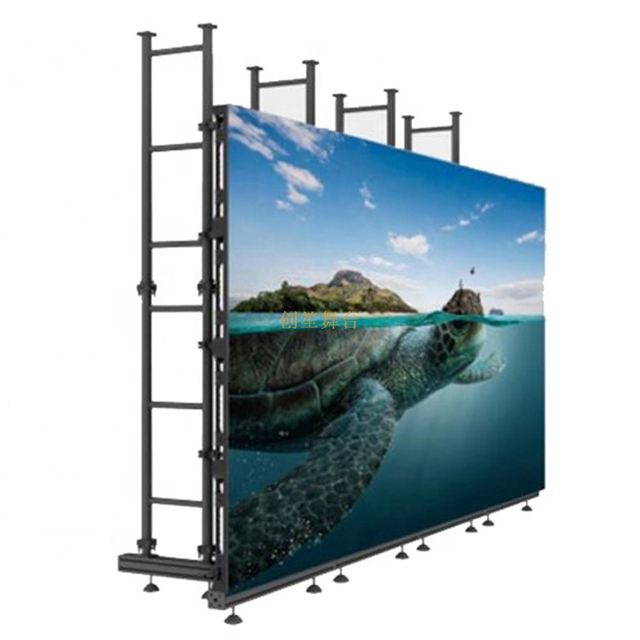
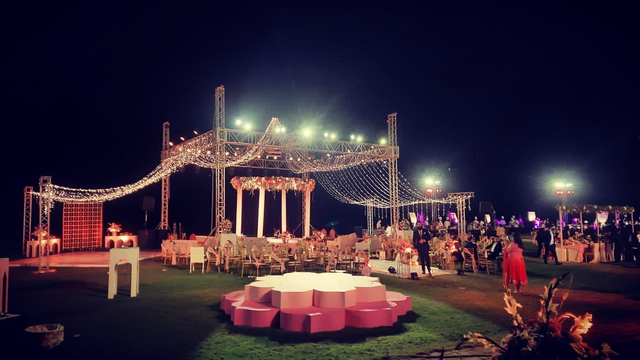
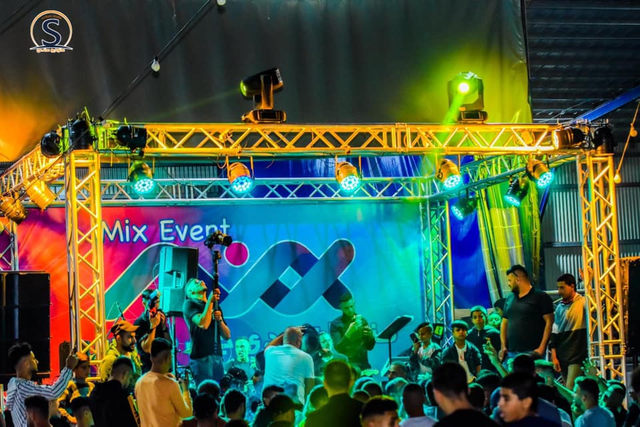
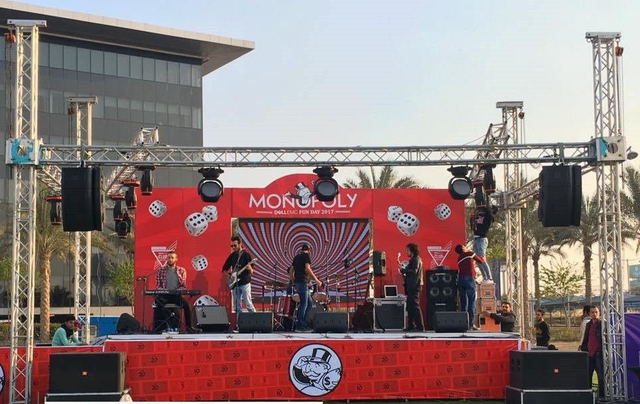
A stage and truss inspection checklist ensures structural safety before every event by verifying base stability, connections, load capacity, rigging points, and equipment installation. Regular inspection prevents accidents caused by overload, misalignment, or component failure.
Inspection Scope (What Should Be Checked?)
A complete inspection covers the full system:
Stage platform structure
Truss system (lighting / roof / event truss)
Connections and locking parts
Rigging and lifting system
Lighting, LED, and audio load
Ground condition and support
System overview:
What is Lighting Truss? (Ultimate Guide for Stage, LED & Event Systems)
Pre-Event Stage & Truss Inspection Checklist
1. Ground & Base Inspection
This is where most structural failures start.
Check:
Ground is flat, solid, and stable
No soft soil or uneven support points
Base plates are fully in contact with ground
Adjustable legs are locked and level
If the base is not stable, the entire structure becomes unsafe.
2. Truss Structure Inspection
Check all structural components before lifting.
Check:
No deformation or bending
No cracks in welds
Truss sections match correctly
No missing or incorrect parts
Quality reference:
How to Distinguish High Quality and Poor Aluminum Truss
3. Connection & Locking System
Loose connections are one of the most common causes of failure.
Check:
All pins and bolts are installed correctly
Locking clips are secured
Spigot / bolt connections are fully engaged
No forced or misaligned connections
Assembly reference:
How to Assemble Stage Truss (Component Assembly Guide & Safety Tips)
4. Load & Weight Verification
Before lifting, load must be verified.
Check:
Total load (lights, LED, speakers, cables)
Load distribution is balanced
No overload on single span or point
Load calculation guide:
What is the Maximum Load Capacity of an Aluminum Lighting Truss System?
Engineering reference:
Load Analysis for Modular Stage Systems
5. Rigging & Lifting System Check
Critical for hanging and roof systems.
Check:
Hoists are certified and functional
Chains and slings are undamaged
Rigging points are structurally reliable
Safety cables are installed
Rigging guide:
How to Rig Lighting Truss (Hoisting Methods, Systems & Safety Guide)
System comparison:
LED Ground Support vs Hanging System: Which Truss System Is Better for Your Event?
6. Lighting, LED & Equipment Check
Equipment adds dynamic load.
Check:
Lighting fixtures are securely mounted
Clamps and hooks are locked
Cables are properly routed
No excessive cable tension
Lighting setup reference:
How to Set Up Lighting Truss (Quick Setup Guide for Events & Stage Systems)
7. Outdoor & Weather Conditions
For outdoor events, environment is critical.
Check:
Wind conditions are acceptable
Additional bracing is installed
Rain protection measures are ready
Anchoring or ballast is sufficient
Outdoor guide:
Outdoor Lighting Truss Guide (Rigging, Load & Safety for Events)
8. Final Safety Confirmation
Before event starts:
All connections rechecked
Load confirmed within limits
Structure visually aligned
No abnormal movement or sound
Common Inspection Failures (Real Risk Points)
Most accidents come from:
Inspection vs Installation vs Maintenance
These are often confused but different:
Process | Purpose |
|---|
Inspection | Check safety before use |
Installation | Build and set up system |
Maintenance | Long-term care and repair |
Installation guide:
How to Build a Stage Truss (Step-by-Step Installation Guide, Safety & Setup)
Maintenance guide:
How to Maintain Aluminum Truss (Cleaning, Inspection & Storage Guide)
FAQ
How often should stage and truss be inspected?
Before every event and after transportation.
Who should perform inspection?
Qualified technicians or experienced installation teams.
What is the most critical part of inspection?
Base stability and load verification.
Is inspection required for small events?
Yes. Even small systems can fail if improperly installed.
Conclusion
A proper stage and truss inspection checklist is essential for ensuring structural safety, preventing accidents, and maintaining system performance. Inspection is not optional—it is a required step before every event.
Explore Full Engineering Solutions
Engineering & Solution