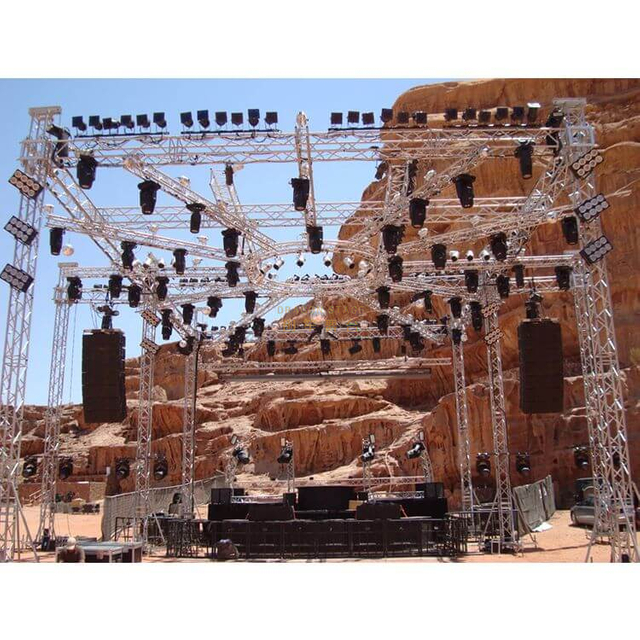
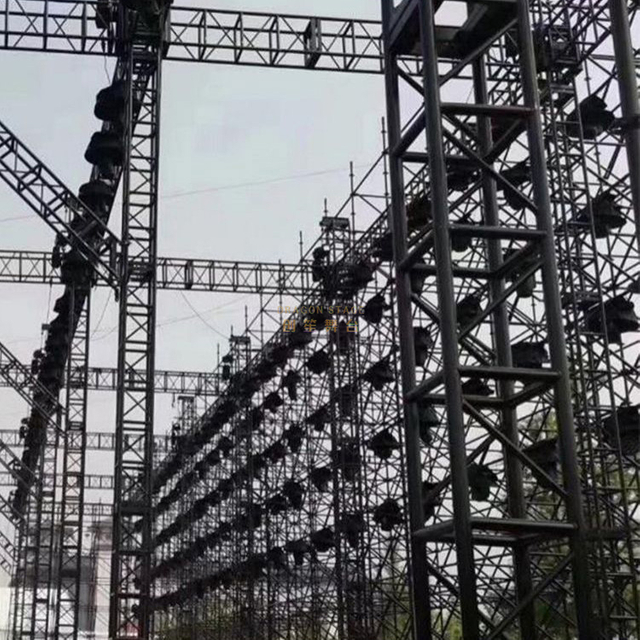
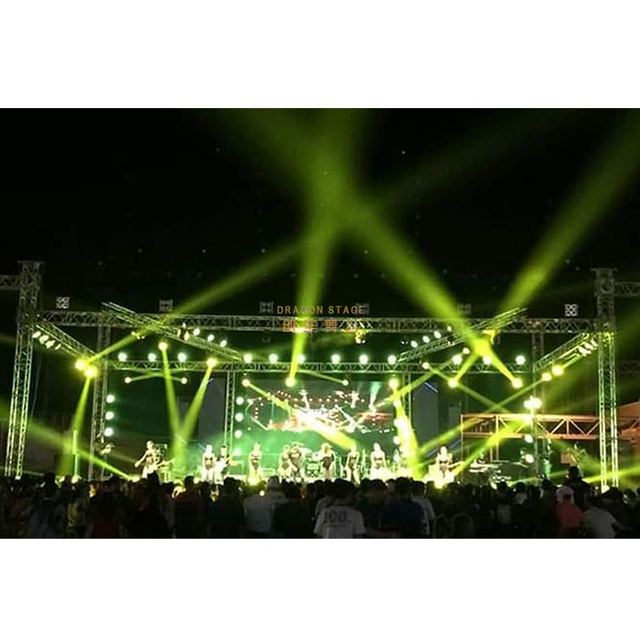
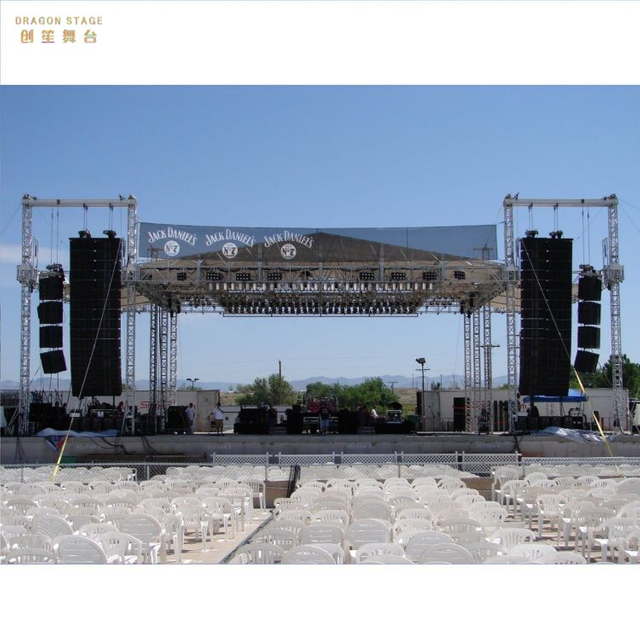
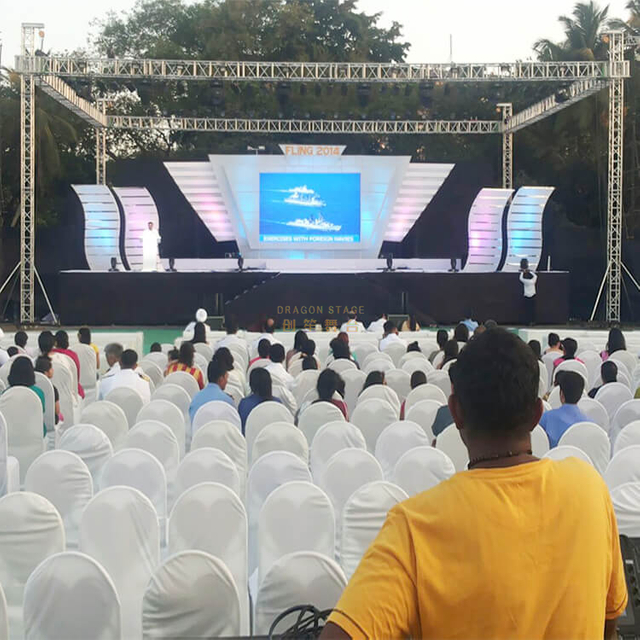
generally, in our aluminum lighting truss installation works, there are ways of rigging lighting truss.
How to Rig Lighting Truss (Hoisting Methods, Systems & Safety Guide)
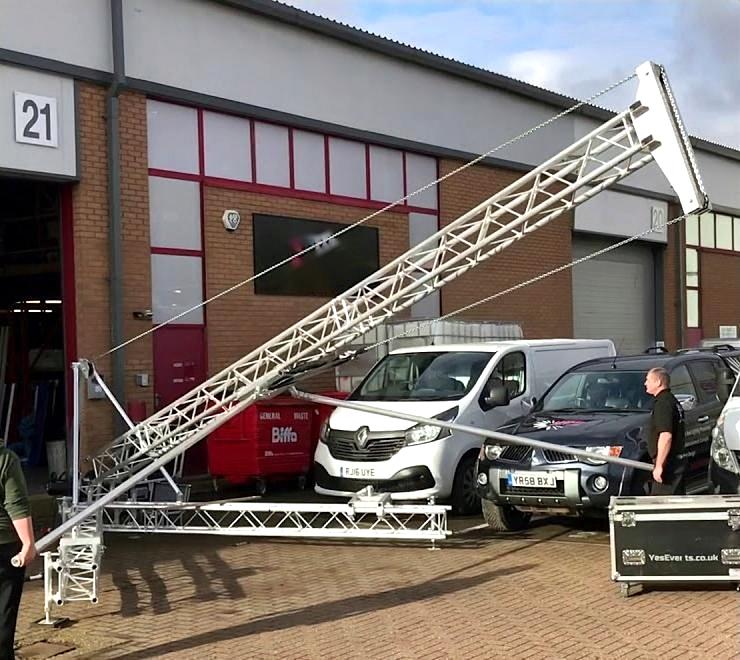
Rigging a lighting truss means lifting and positioning the truss system using hoists, towers, or support structures. It is a critical process in stage and event setup, especially for concerts, LED systems, and large-scale productions.
Quick Answer
Lighting truss rigging typically follows two main methods:
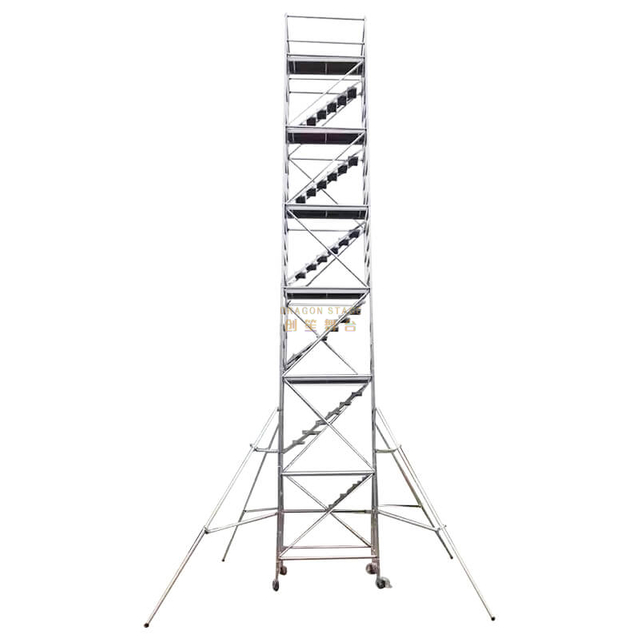
Vertical lifting using towers and hoists
Tilting (hinge) lifting using ground support and winch systems
Both methods require proper load calculation, stable structure, and professional rigging control.
Vertical lifting with towers and hoists is the safest and most commonly used.
Can I rig lighting truss manually?
Only small systems. Large systems require professional equipment and trained crew.
Is rigging the same as hanging truss?
Not exactly. Rigging includes all lifting methods, while hanging refers to suspended systems.
Conclusion
Rigging lighting truss is not just lifting—it is a controlled engineering process. Choosing the right method, equipment, and safety approach determines the success of the entire event structure.
the main stage truss is 10m long, the wings width is 2.5m, the stage depth is 7m and full height 6m.
the stage platform is 1.22x1.22m with 3 sides stage guards and 2 stairs
The DragonStage 10m × 7m × 6m Outdoor Flat Roof Stage Truss System is a modular event-stage package featuring a 10m main truss span, 7m stage depth, 6m overall truss height, and 2.5m-wide side wings. The stage platform uses 1.22m × 1.22m modular deck units and is supplied with guardrails on three sides and two access stairs for concert, festival and temporary outdoor event applications.
The DragonStage 14m x 6m x 6m Portable LED Screen Truss System is a ground-supported aluminum truss structure designed for hanging a large outdoor or temporary event LED screen. Based on the customer’s request, the system provides an overall size of 14 meters wide, 6 meters high, and 6 meters deep, and is intended for a 12m x 4m LED screen with an estimated screen weight of about 1700kg as provided by the customer. The package is planned as a portable solution and can be supplied with manual chain hoists and related accessories similar to the reference picture.
Aluminum Spigot Truss Aluminum Base Plate with Handles 300mm 400mm 500mm 600mm 800mm with half conical and pins clips.
The DragonStage Aluminum Spigot Truss Base Plate with Handles is available in five square sizes from 300×300mm to 800×800mm, all using an 8mm-thick aluminum plate. Each configuration can be supplied with compatible half conical connectors, connector pins and R-clips for spigot truss installation. Integrated handles make the plates more practical to carry and position during repeated event setup and teardown.
this is 100x100x3mm base plate for f14 truss mini, with 4 half connectors and pins clips.
The DragonStage F14 Mini Truss Square Base Plate is a compact 100 × 100 × 3mm base plate supplied with 4 half conical connectors, connector pins and R-clips for compatible F14 mini truss systems. It is designed as a small mounting and connection accessory for exhibition, display, DJ, decorative and lightweight mini-truss applications.
The DragonStage Ringlock LED Background Wall with Aluminum Brace Stage combines a 20m wide × 2m deep × 12m high Ringlock background structure with a 20m × 10m × 2m aluminum brace stage and two aluminum access stairs. Designed for concerts, festivals, ceremonies and large temporary productions where a tall stage-background structure is required for LED screen, visual backdrop or event presentation applications.
The DragonStage 14m × 6m × 8m Ringlock Truss Wall with 8m × 4m Aluminum Quick Stage combines a large modular Ringlock wall structure with a compact 0.8m-high aluminum quick stage and two access stairs. Designed for concerts, performances, ceremonies and temporary event installations, this configuration provides a large structural background around a practical modular performance platform.
The DragonStage 36m Ringlock Truss Wall with 21x20m Aluminum Roofing Stage is a large concert-style event structure combining a full Ringlock wall framework, a central aluminum roofed stage, two front LED wing structures, and two aluminum access stairs. The overall Ringlock structure measures approximately 36m wide × 20m deep × 10m high. The central aluminum roofing stage uses a 21m × 20m × 10m truss roof frame, with a 20m × 18m stage platform and two 2m-high aluminum stairs.
The DragonStage 24m Ringlock Truss Wall with 12x12m Aluminum Roofing Stage and Two Front LED Wings is a large concert-style event structure that combines a full Ringlock wall framework, a central aluminum roofed stage, two front LED wing structures, and two aluminum access stairs. The overall Ringlock structure measures approximately 24m wide × 14m deep × 8m high, while the central roofed stage uses a 12m × 12m × 8m aluminum truss roof frame with a 12m × 10m stage platform and two 2m-high aluminum stairs.
our all Aluminum Mobile Stadium Seating Chairs, the perfect seating solution for stadiums, arenas, sports events, and outdoor venues. Crafted with precision and innovation, these chairs offer exceptional comfort, durability, and versatility.
DragonStage 21-seat mobile stadium seating system uses an all-aluminum structural configuration for temporary spectator seating at sports events, arenas, stadiums, outdoor events and temporary venues. The complete unit provides 21 seating positions and is designed for customers who need a reusable, relocatable audience seating solution rather than permanently installed grandstands.
Section:Square400x500mm Inclined tube: 25x2.0mm Main tube:50x3.0mm Braces:50x2.0mm Material: Aluminum 6061-T6
Our high-strength 500x400mm lighting truss is engineered from premium aluminum alloy for superior load-bearing performance. Ideal for music and audio setups, this durable screw-connection system ensures stability for professional stage environments. Built to meet rigorous safety standards, it provides a reliable foundation for any event production.
Section:Square500x500mm Inclined tube: 25x2.0mm Main tube:50x3.0mm Braces:50x2.0mm Material: Aluminum 6061-T6 This heavy-duty 500x500mm bolt aluminum square truss is the ultimate foundation for outdoor concert stages and large-scale events. Engineered for maximum structural stability, this aluminum truss system provides the high-load capacity needed to support massive lighting rigs and heavy audio arrays safely in any environment.
Section:Square400x400mm Inclined tube: 25x2.0mm Main tube:50x3.0mm Braces:50x2.0mm Material: Aluminum 6061-T6
This versatile 400x400mm aluminum roof screw lighting truss is the industry standard for medium-to-heavy stage rigging. Engineered for exceptional durability, this high-performance aluminum truss system supports heavy lighting and audio equipment with ease. It is the perfect foundation for building safe, professional modular stage systems for any event.
Outdoor Speaker Aluminum Stand Line Array Gentry Truss Tower 5m High
fixed height 5m, it have 2 ground truss beams without supports rods, spigot truss tower
The DragonStage 5m Line Array Speaker Gantry Truss Tower is a fixed-height aluminum support system for suspending line array speakers at concerts and outdoor events. It uses 289 × 289mm spigot truss, two vertical 5m tower sides, a top crossbeam, and two ground truss beam assemblies. The current configuration does not use separate support rods.
The 4m × 6m DragonStage Channel Tent is a customized aluminum A-frame tent designed to create a covered passage between backstage or stage-side preparation areas and the main stage. It can be installed inside an opening intentionally reserved within a larger Ringlock structure, helping protect performers, staff, costumes and equipment from rain while providing a more private and clearly defined access route.
The 4m × 6m Built-In Hybrid Ringlock FOH Booth is a compact technical workspace designed for Front of House control, DJ operation, and event control-cabin use. It combines a Ringlock-integrated support concept with an aluminum roof frame, modular plank floor, roof tarpaulin, side curtains, and front/rear enclosure panels, making it suitable for integration inside larger event structures.
4m × 4m multi-level FOH control tower combining a modular Ringlock main structure with an aluminum single-slope roof frame. Maximum height is 7m, with a 6m low-side roof height and 7m high-side roof height. The package includes working platforms, aluminum ladders, roof and canopy tarpaulins, curtain enclosure, auxiliary base structure and related stabilization components for concert and event production
6m × 4m hybrid FOH control booth combining a modular Ringlock main structure with an aluminum single-slope roof frame, modular working platform, curtain enclosure, roof tarpaulin, and access ladder. Designed for concert, festival, and temporary event technical-control applications
2m × 6m hybrid FOH control booth combining a modular Ringlock main structure with an aluminum gable roof frame, 2m eave height, 3m central ridge height, modular working platform, weather curtains and steel stair access for concert and event technical control applications.
2m × 0.5m steel Ringlock speaker tower top support beam made from 48.5mm round pipe, designed to connect the upper Ringlock tower structure with aluminum truss for line array and event audio support applications. Custom supplied by DragonStage
Compact 2m × 2m FOH control booth combining a modular Ringlock main frame with an aluminum A-frame roof and roof tarpaulin. The booth has 2m side/eave height and a 3m central ridge height, providing a small covered technical workspace for concerts, festivals and temporary event production.
6m × 6m aluminum flat roof truss system with a 4m front height and 6m rear height, using a four-tower modular support configuration for concerts, lighting rigs, stage productions, and temporary event applications. Custom manufactured by DragonStage.
The 4m × 6m Hybrid Ringlock FOH Control Booth is a customized Front of House structure for concert, festival, live-event, and production-control applications.
The main booth structure is built from a modular Ringlock system, while the pitched roof uses a separate aluminum frame. This combination allows the booth body, working floor, enclosure, and roof components to be supplied as one coordinated temporary-event package.
The confirmed dimensions for this configuration are:
Width: 4m
Depth: 6m
Overall structure height: 3m
Side / eave height: 2m
Roof ridge height: 2.5m
The structure also includes roof tarpaulins, side and rear/front curtain panels, aluminum roof beams, platform planks, diagonal bracing, and steel ballast-pipe components according to the supplied BOQ.
DragonStage supplies other modular temporary structures through our Ringlock Structure System product range.
The 4m × 4m Multi-Level Hybrid Ringlock FOH Control Tower is a customized Front of House control structure designed for concerts, festivals, live productions, and other temporary event applications.
This product combines a Ringlock main tower structure with an aluminum roof frame and weather-cover system, creating a compact but elevated technical-control tower for audio, lighting, video, or show-operation use.
The confirmed project dimensions are:
Width: 4m
Depth: 4m
Overall maximum height: 7m
Side height: 6m
Roof low point: 6m
Roof high point: 7m
This makes it a sloped-roof hybrid FOH tower, with the roof rising from the lower side to the higher side.
According to the supplied BOQ, the structure includes the Ringlock main body, internal planks, ladder-access components, aluminum roof beams, side-wall curtain posts, roof tarpaulin, side and front/back curtains, ballast-pipe components, and a lower auxiliary base structure.
Professional Rental LED Screen Pad Block Mounting System - Precision Adjustable Spacing Bracket with Locking Nut for Stage Truss Video Wall Installation
The 24ft × 24ft Flat Roof Aluminum Truss System is a customized four-tower event truss structure with a 20ft tower height, designed for temporary stages, lighting installations, concerts, performances, corporate events, and other event-production applications.
The system uses four vertical aluminum truss towers supporting a square flat-roof truss framework. Internal cross truss members divide the overhead area into multiple rigging zones, allowing the roof framework to be configured around the actual lighting and event-equipment layout.
The drawing also shows a tower lifting arrangement with sleeve blocks, allowing the assembled upper truss grid to be positioned on the vertical towers as part of the installation process.
DragonStage manufactures flat roof systems in different dimensions and configurations. See more products in our Typical Flat Roof Truss System range.
The 8.3m Heavy Duty Layher Truss Support Tower System is a professional, high-capacity rigging structure designed for outdoor concerts, large events, and festival stages. Engineered with a stable 6m × 2m base footprint and high-strength modular components, this system provides a secure overhead rigging solution for line array audio speakers, LED screens, and heavy lighting rigs. Its fast pin-and-wedge assembly ensures quick setup and maximum stability for demanding stage applications.
The 24m × 24m x6m Aluminum Truss Tent Structure is a customized outdoor covering solution designed for terraces, resorts, beach areas, hospitality spaces, and temporary event applications.
Based on the customer's requirements, this structure uses a 400mm aluminum screw truss system with a pyramid roof design, supported by 10 aluminum truss columns and covered with a white waterproof PVC tarpaulin.
The open-span design provides a large covered outdoor area while maintaining a clean architectural appearance suitable for outdoor events and commercial spaces.
DragonStage manufactures customized Aluminum Truss structures according to customer dimensions, application requirements, and project conditions.
Professional 12U and 16U flight case rack cabinet for mixers, amplifiers and event audio equipment. DragonStage provides customized rack cases for concerts, touring productions and professional events.
This customized large tunnel event structure combines a 24m wide × 18m deep × 15m high tunnel aluminum truss system with a 21.96m × 14.4m × 2m high stage platform.
The upper structure uses multiple large curved aluminum truss arches connected by longitudinal truss sections, creating a wide-span architectural framework above the event area. The complete system can be supplied together with the elevated stage platform as a customized package for stadium events, ceremonies, concerts, festivals, and other large temporary productions.
The dimensions shown here come from an actual customer quotation requirement rather than a standard catalogue size.
DragonStage manufactures customized Roof Truss systems in different dimensions and configurations according to project requirements.
This customized 12m × 10m Ringlock concert stage system combines a 2m-high main stage, a 2m × 6m runway, four access stairs, three-sided Ringlock wall structures, approximately 4m-wide LED support areas on both sides, and a customized 400 × 400mm aluminum truss package above the stage.For other modular configurations, see our Ringlock Stage System
This 14m × 10m Ringlock concert stage system is a customized large-event stage package combining a steel Ringlock stage platform, aluminum peak roof truss, 6m-wide side structures for LED screens, and dedicated structures for line array suspension.
The main performance platform measures 14m × 10m, with a requested stage height of up to 2m. Ringlock scaffolding is also used to build the surrounding support structures up to approximately 10m high, matching the main stage and the 6m-wide wings on both sides.
Instead of purchasing the stage platform, roof truss, LED supports, and sound-support structures separately, customers can order them as one coordinated event-stage package from DragonTruss.
2m × 2m modular Ringlock audience viewing platform originally configured for socially distanced concert seating areas. The system features a 0.2m-high aluminum pallet platform, three-sided double-rail guardrails, an open rear entrance, adjustable steel base jacks, and a front-facing position for event or sponsor posters.
20m wide × 14m deep × 10m high custom curved roof truss system featuring six main support towers and two 2m-wide side wings for line array systems with manual hoists. Designed as a modular aluminum truss structure for concerts, festivals, live productions, and other large event applications.
This custom mobile DJ table is designed for a customer who needed one standalone DJ workstation rather than a complete stage system.
The table uses the same basic manufacturing logic as a professional aluminum stage platform: an aluminum frame, flat black working surface, rigid support structure, and replaceable modular components. However, instead of stage legs standing directly on the floor, this version is fitted with four lockable caster wheels so the complete table can be moved short distances inside a club without dismantling the DJ equipment.
The finished size is 2200mm wide × 800mm deep × 900mm high, providing a large working surface for multiple DJ players, a mixer, laptop, or controller.
For other aluminum platform products manufactured using similar structural principles, see our Aluminum Stage range.
DragonTruss manufactures integrated stage and truss systems combining modular aluminum stage platforms with aluminum truss structures for event applications.
This customized project includes a 9.76m x 9.76m Quick Stage main platform, a 2.44m wide x 3.66m long runway stage, and a 400x400mm spigot truss gantry structure with a 10m width and 5m height.
The system integrates a quick assembly stage platform with a modular truss framework, providing a complete structure solution for event decoration, lighting installation, and potential LED screen applications.
For customized stage structures combining platforms, truss systems, and accessories, DragonTruss provides complete Custom Stage Production services according to project requirements.
This custom black F34 curved truss arch structure was produced based on a customer's requested configuration, combining curved F34 truss elements, F32/F34 box corners, straight truss sections, and outdoor base plates.
Unlike standard straight truss products, curved truss structures require additional manufacturing coordination, including curve fabrication, connector alignment, component matching, and surface finishing. The final structure demonstrates DragonTruss's capability in producing customized aluminum truss solutions beyond standard configurations.
For projects requiring special shapes, customized layouts, or integrated stage structures, DragonTruss also provides Custom Stage Production services based on project requirements.
Section:Square600x760mm Inclined tube: 25x2.0mm Main tube:50x4.0mm Braces:50x2.0mm
This Heavy-Duty Aluminum Box Truss (600x700mm) is engineered for superior structural integrity and massive load capacities. Ideal for professional concert and event stage productions, its robust design supports large-scale lighting truss rigs and LED walls, ensuring a safe and stable environment for any world-class performance.
Section:Square670x1010mm Inelined tube: 30x2.0mm Main tube:50x5.0mm Braces:50x3.0mm
This Heavy-Duty Stage Light Truss (680x1010mm) is engineered for massive spans and extreme loading requirements. Designed for professional concert and event stage productions, its robust rectangular profile ensures maximum stability. It is the ultimate solution for supporting large-scale lighting truss rigs and heavy LED walls safely.
the spigot truss sectional sizes are 830mm wide and 630mm deep. the main tube is 50x4mm or 60x5mm.
This ultra-heavy-duty Aluminum Spigot Truss features reinforced 50x4mm and 60x5mm main tubes, engineered for massive spans and maximum load requirements. Ideal for professional concert and event stage builds, its high-precision spigot connection ensures rapid assembly and unrivaled structural stability for world-class productions.
The Square Box Truss F34 Circle Corner 2 Ways 90 Degree is characterized by its square shape and the incorporation of circular corners at two ends, forming a 90-degree angle. This design not only adds an aesthetic appeal to the structure but also enhances its structural integrity. The circular corners help distribute the load more evenly, reducing stress concentrations and improving the overall stability of the truss.