Step-by-Step Guide for Installing a Modular Portable Stage
Aluminum stages are widely used for concerts, weddings, schools, churches, exhibitions, and various events. Thanks to their modular structure, aluminum stages are lightweight, easy to transport, and quick to assemble.
This article explains the basic steps for building an aluminum stage and the key factors that should be considered during installation.
For an overview of stage products, visit:
Portable Stage System
https://www.dragontruss.com/stage.html
Why Choose an Aluminum Stage?
Compared with traditional steel or wooden stages, aluminum stages offer several advantages:
Lightweight construction;
Corrosion resistance;
High strength-to-weight ratio;
Fast assembly and dismantling;
Easy transportation and storage;
Reusable modular components.
Because of these advantages, aluminum stages have become one of the most popular solutions for temporary event structures.
Main Components of an Aluminum Stage
A typical modular stage system consists of:
Stage platforms;
Adjustable legs;
Stage braces;
Stage decks;
Stairs;
Guardrails.
Different configurations can be customized according to the event requirements.
For customized layouts, see:
Custom Stage Designs
https://www.dragontruss.com/custom-stage-designs.html
Step 1: Prepare a Flat Ground Surface
Before installation, ensure that the ground is:
Clean;
Stable;
Level;
Free of obstacles.
Uneven ground may require adjustable stage legs to compensate for height differences.
Step 2: Determine the Stage Layout
According to the event requirements, determine:
Stage length;
Stage width;
Stage height;
Stair positions;
Guardrail locations.
Common stage sizes include:
| Event Type | Typical Size |
|---|
| Small event | 4×3m |
| Wedding stage | 6×4m |
| Church stage | 8×6m |
| Concert stage | 10×8m |
| Festival stage | 12×10m or larger |
For application ideas, visit:
Event Stage Design Guide
https://www.dragontruss.com/How-do-You-Design-an-Event-Stage-id41566967.html
Step 3: Install the Stage Legs
Insert the adjustable legs into the stage frames.
Adjust the height according to the desired working level.
Ensure that:
All legs are firmly fixed;
The stage surface remains level;
Height differences are properly adjusted.
For outdoor events, additional supports may be required.
Step 4: Connect the Stage Platforms
Place the stage decks side by side and connect them securely.
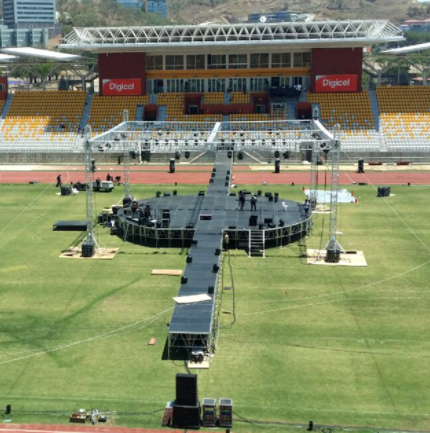
Modular stage systems allow:
Square layouts;
Rectangular layouts;
T-shaped stages;
Runway stages;
Circular stages.
This flexibility makes aluminum stages suitable for various applications.
Step 5: Install Guardrails and Stairs
For higher stages, safety accessories should be added.
These include:
Stage stairs;
Handrails;
Guardrails.
Proper access and fall protection are essential for both performers and staff.
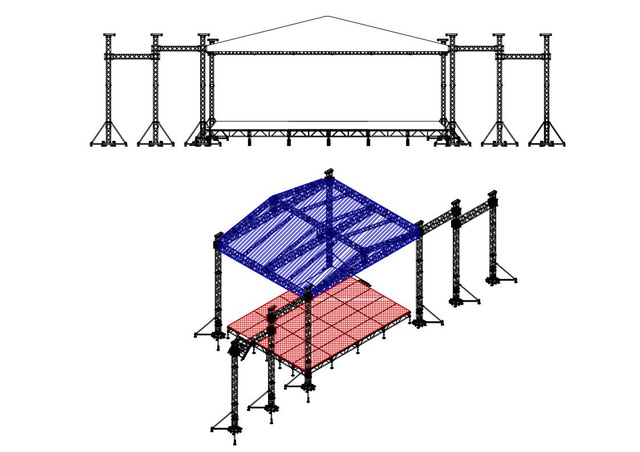
Step 6: Add Lighting and Truss Structures
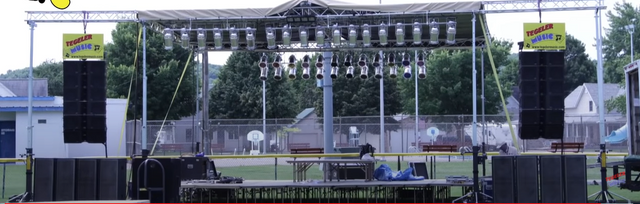
Most event stages are combined with lighting and roof systems.
Additional equipment may include:
Lighting trusses;
Roof structures;
LED screens;
PA towers;
Barricades.
For lighting support systems, see:
Lighting Truss Systems
https://www.dragontruss.com/Lighting-Truss.html
For outdoor roof structures, visit:
Roof System
https://www.dragontruss.com/roof.html
Safety Considerations
Before using the stage, check:
Large stages should be designed according to engineering requirements.
For structural knowledge, see:
Structural Engineering Fundamentals
https://www.dragontruss.com/structural-engineering-fundamentals.html
Typical Applications
Aluminum stages are widely used for:
Concerts;
Weddings;
Churches;
Schools;
Conferences;
Fashion shows;
Exhibitions;
Product launches.
For concert stage planning, see:
Concert Stage Design Guide
https://www.dragontruss.com/How-Do-You-Design-a-Concert-Stage-id40566967.html
Conclusion
Building an aluminum stage is straightforward thanks to its modular design.
By combining stage platforms, adjustable legs, stairs, and safety accessories, organizers can quickly create stable and professional event spaces.
Whether for a small indoor gathering or a large outdoor concert, modular aluminum stages provide flexibility, durability, and efficiency for modern events.