What Is an Aluminum Truss? Complete Guide
Introduction
An aluminum truss is one of the most widely used structural systems in the event, entertainment, and exhibition industries. Designed to provide high strength with relatively low weight, aluminum trusses are used to support lighting, LED screens, speakers, banners, roofing systems, and many other types of event equipment.
Because of their modular construction, aluminum trusses can be assembled, dismantled, transported, and reused for countless projects. This combination of strength, flexibility, and portability has made them the industry standard for temporary event structures worldwide.
This guide explains what an aluminum truss is, how it is constructed, its advantages, and where it is commonly used.
What Is an Aluminum Truss?
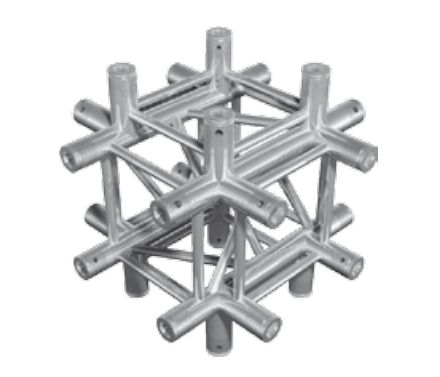
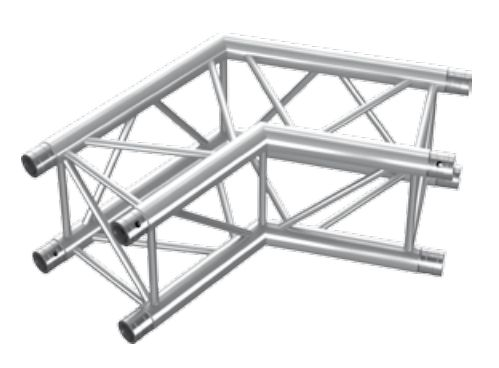
An aluminum truss is a structural framework manufactured from high-strength aluminum alloy tubing connected by welded diagonal and vertical members.
Unlike solid beams, trusses transfer loads through interconnected structural members, allowing them to support heavy equipment while minimizing overall weight.
Most professional aluminum trusses are manufactured using 6061-T6 or 6082-T6 aluminum alloys because of their excellent strength, corrosion resistance, and weldability.
Modern Event Truss System solutions are available in many sizes and configurations to suit different engineering requirements.
How Is an Aluminum Truss Constructed?
Although different truss systems vary in design, most consist of the following structural elements:
These components work together to distribute loads efficiently while maintaining structural rigidity.
To better understand these structural members, see:
What Is a Truss Main Chord and Why Is It Important?
What Is a Truss Brace and How Does It Improve Stability?
Advantages of Aluminum Trusses
Aluminum trusses have become the preferred choice for temporary event structures because they offer several important advantages.
Lightweight
Compared with steel trusses, aluminum trusses are significantly lighter, making transportation, installation, and dismantling faster and more efficient.
High Strength
Although lightweight, aluminum trusses provide excellent structural performance when properly engineered and manufactured.
Corrosion Resistance
Aluminum naturally forms a protective oxide layer that helps resist corrosion, making it suitable for both indoor and outdoor use.
Modular Design
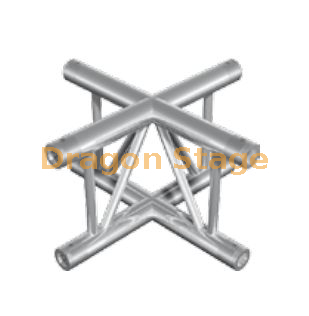
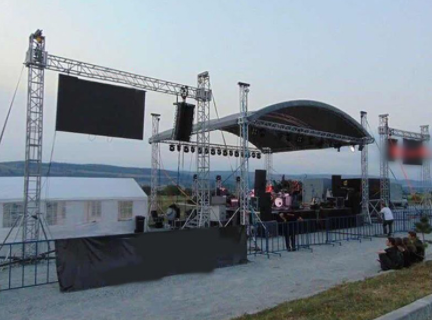
Individual truss sections can be connected in different configurations, allowing users to create structures ranging from small lighting frames to large concert roof systems.
Long Service Life
With proper maintenance, professional aluminum trusses can remain in service for many years while maintaining reliable structural performance.
Common Applications
Aluminum trusses are used in many different industries.
Typical applications include:
Concert stages
Music festivals
Exhibition booths
Trade shows
Churches
Television studios
Outdoor events
Fashion shows
Corporate presentations
Sporting events
Their versatility makes them one of the most widely used structural products in the event industry.
Different Types of Aluminum Trusses
Aluminum trusses are available in many different profiles and configurations.
Common types include:
Box Truss
Triangle Truss
Ladder Truss
Circular Truss
Curved Truss
Roof Truss
LED Ground Support Truss
PA Tower
For a detailed comparison of these systems, see:
What Are the Different Types of Aluminum Truss?
How to Maintain an Aluminum Truss
Regular maintenance helps extend the service life of aluminum trusses.
Basic recommendations include:
Clean the truss after use.
Inspect welds and connectors.
Replace damaged components.
Store in a dry environment.
Avoid unnecessary impacts during transportation.
For detailed maintenance procedures, see:
How to Maintain a Lighting Truss
Final Thoughts
An aluminum truss is far more than a simple metal framework. It is a carefully engineered structural system designed to provide high load capacity, lightweight construction, and excellent flexibility for temporary event installations.
Whether supporting stage lighting, LED screens, audio systems, or complete roof structures, a professionally manufactured Event Truss System offers reliable performance, efficient installation, and long-term durability.
Understanding how aluminum trusses are constructed and where they are used helps buyers, engineers, and event organizers choose the most appropriate solution for their projects.
Related Articles
What Are the Different Types of Aluminum Truss?
https://www.dragontruss.com/What-are-the-types-of-aluminum-truss-id3881301.html
What Are Stage Trusses Used For? Common Applications Explained
https://www.dragontruss.com/What-scenes-are-stage-trusses-applied-to-id3831301.html
Aluminum Truss vs Steel Truss
https://www.dragontruss.com/Why-do-people-choose-an-aluminum-truss-rather-than-iron-truss-id3515479.html
Spigot Truss vs Bolt Truss: Which Should You Choose?
https://www.dragontruss.com/What-is-the-difference-between-aluminum-truss-and-bolt-spigot-truss-id45958477.html
What Is a Lighting Truss? Complete Guide
https://www.dragontruss.com/What-Is-Truss-In-Lighting-id44935677.html