What is the Load Capacity of Aluminum Scaffolding?
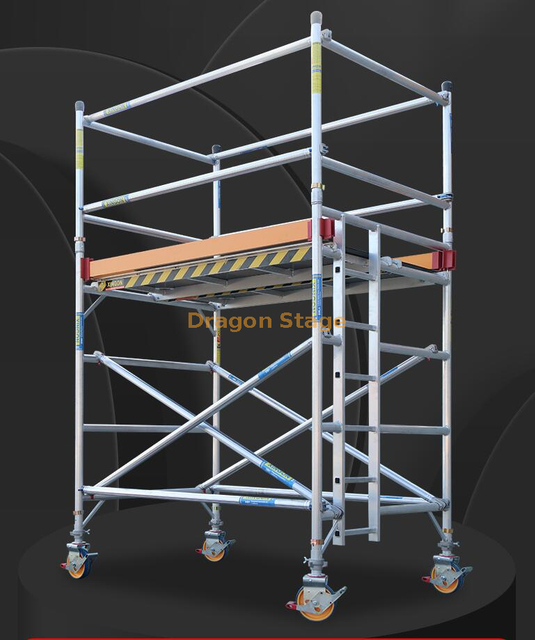
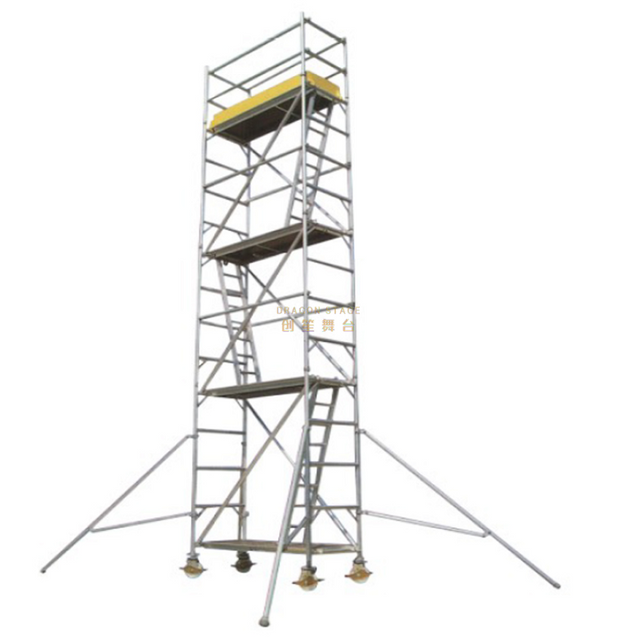
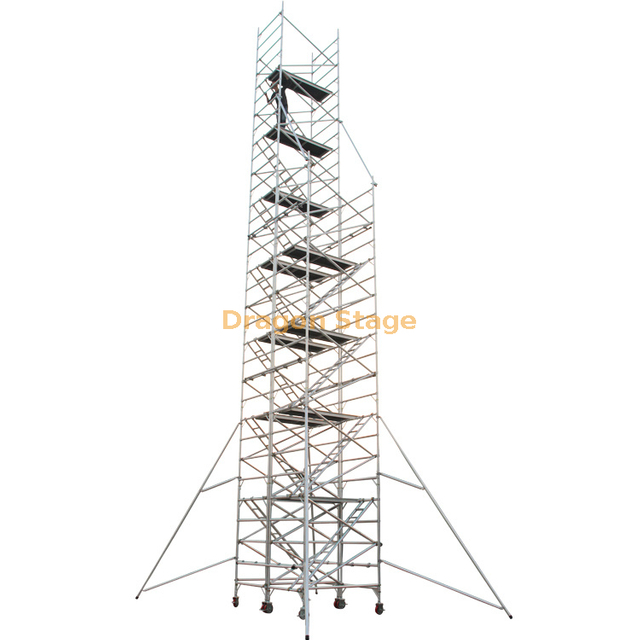
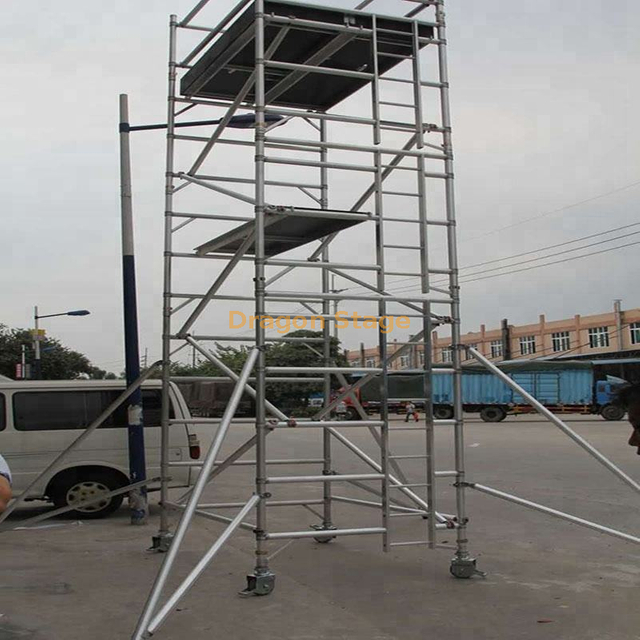
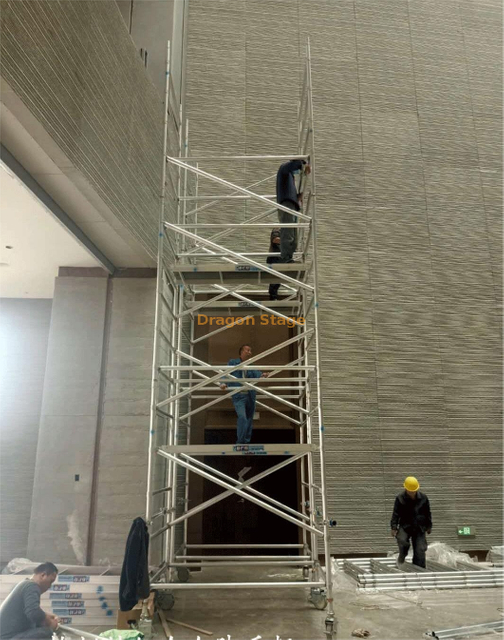
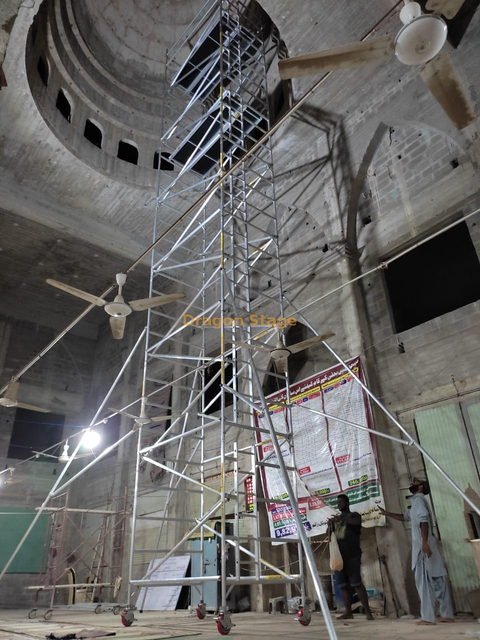
Aluminum scaffolding load capacity typically ranges from 200 kg to over 1000 kg per platform, depending on structural design, material grade, and configuration. Certified systems with proper engineering can safely support higher loads under controlled conditions.
What “Load Capacity” Really Means
Many clients misunderstand this.
Load capacity is not just:
❌ “how much weight it can hold”
It actually includes:
platform load (workers + tools)
dynamic load (movement, vibration)
structural load distribution
safety factor
That’s why two scaffolds that look the same may have completely different capacity.
Core Factors That Determine Load Capacity
1. Structural Design (Most Important)
Load capacity is primarily decided by:
frame geometry
bracing system
connection strength
Same principle used in:
load analysis for modular systems
If structure is weak, material alone cannot fix it.
2. Material Grade (6061-T6 vs 6082-T6)
Aluminum alloy strength depends on grade.
Common materials:
See detailed comparison:
6061-T6 vs 6082-T6 Aluminum
Key point:
Higher strength material = higher safe load capacity
3. Platform Size and Height
As height increases:
Example:
4. Load Distribution
Load must be:
evenly distributed
properly supported
Bad practice:
❌ concentrated load in one corner
❌ jumping or impact loading
This can reduce safety dramatically.
5. Connection System
Weak connections = system failure risk
Important parts:
joints
locking pins
diagonal braces
Wrong connection design risk:
Using incorrect aluminum data in structural design
Typical Aluminum Scaffolding Load Capacity
Based on real industry data:
Scaffolding Type | Load Capacity |
|---|
Light-duty mobile scaffold | 200–300 kg |
Standard working platform | 300–500 kg |
Heavy-duty scaffold tower | 500–1000 kg+ |
Certified systems (tested) | up to 1000 kg+ |
Verified example:
Scaffolding Load Test Report (TÜV Certified)
Load Capacity vs Safety Factor
In engineering, real capacity is NOT used directly.
A safety factor is applied:
Typical safety factor:
2x – 4x (depending on standard)
Standards and Compliance
Scaffolding must follow safety standards:
EN standards
OSHA requirements
TÜV / SGS certification
See:
safety standards and engineering constraints
Common Mistakes That Reduce Load Capacity
1. Overloading the platform
2. Uneven ground setup
3. Missing braces or components
4. Using low-quality material
5. Ignoring height limitations
Practical safety guide:
how to install aluminum scaffolding safely
Load Capacity in Real Applications
Construction & Maintenance
medium to high load
focus on safety
→ construction applications
Exhibition & Indoor Work
lighter load
high mobility
→ exhibition applications
Event & Stage Setup
temporary load
repeated use
→ concert event applications
How to Choose the Right Load Capacity
Instead of asking:
❌ “What is the maximum load?”
You should ask:
✔ How many workers will use it?
✔ What tools/materials will be placed?
✔ How high is the scaffold?
✔ Is it mobile or fixed?
Full selection guide:
how to choose aluminum scaffolding
FAQ
How much weight can aluminum scaffolding hold?
Typically between 200 kg and 1000 kg per platform, depending on design and certification.
Is aluminum scaffolding strong enough?
Yes. High-grade aluminum alloys provide strong structural performance when properly engineered.
What happens if scaffolding is overloaded?
It may deform, become unstable, or collapse, leading to serious safety risks.
Does height affect load capacity?
Yes. The higher the scaffold, the lower the safe working load.
Final Conclusion
Aluminum scaffolding load capacity is not only about material.
It depends on:
structural design
system integrity
proper installation
safe usage
If designed and used correctly, aluminum scaffolding can provide high strength, safety, and efficiency for modern working environments.