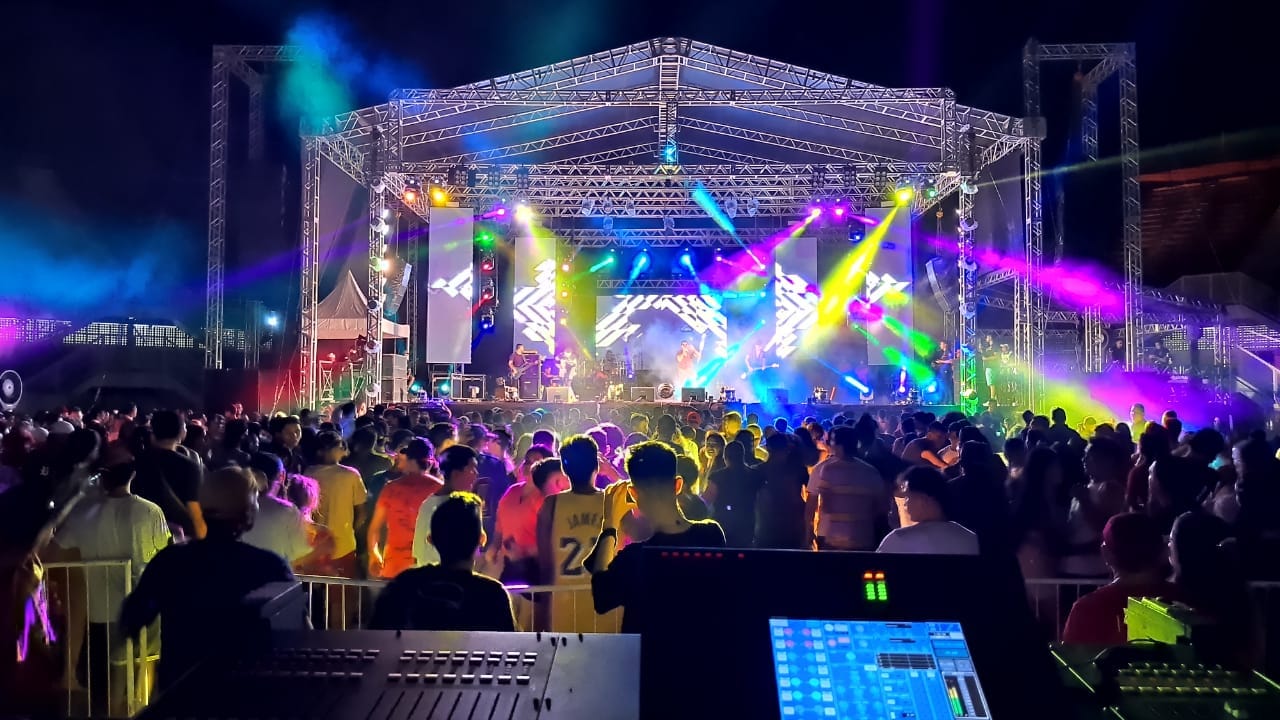
Concert Stage Design Guide: How to Build a Stage for Live Events
Size, Visibility, Lighting and Structural Considerations
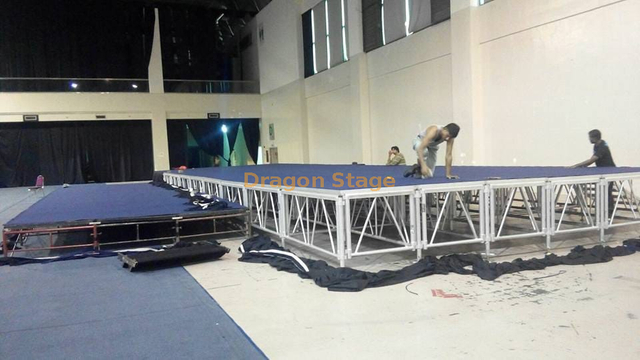
Concert stages are the visual and functional center of any live performance. Whether for a music festival, an indoor concert, or a large outdoor event, proper stage design directly affects audience experience, performer interaction, and technical execution.
This guide explains the key factors that should be considered when designing a concert stage.
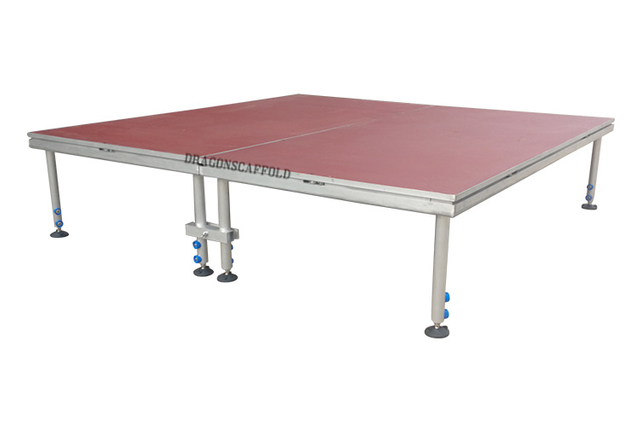
For a complete overview of modular stage systems, visit:
Portable Stage System
https://www.dragontruss.com/stage.html
Why Is Concert Stage Design Important?
A well-designed stage allows performers and audiences to connect effectively.
Good stage design improves:
Audience visibility;
Sound and lighting performance;
Performer movement;
Safety and structural stability;
Overall event atmosphere.
Even the best performers may struggle if the stage layout is poorly designed.
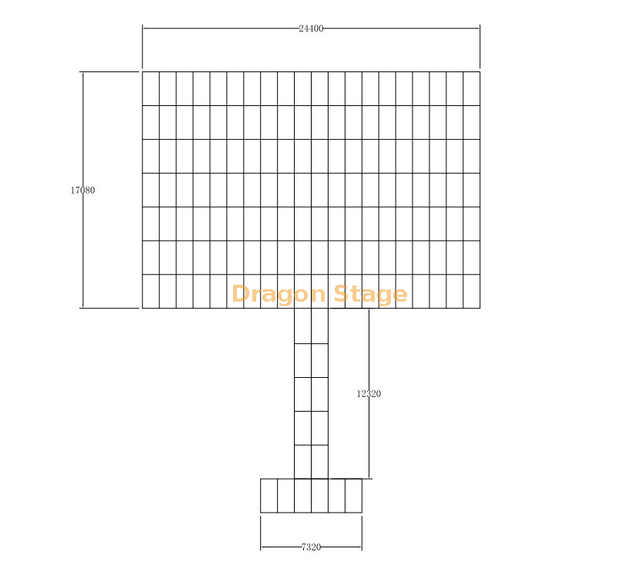
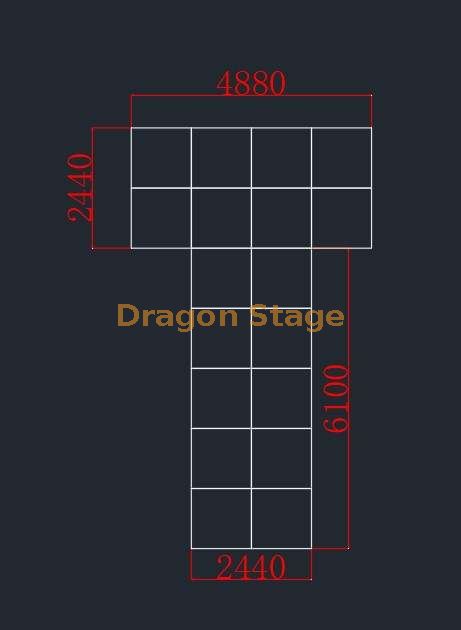
Choosing the Right Stage Size
Stage dimensions depend on several factors:
Smaller stages create a more intimate atmosphere, while larger stages are suitable for festivals and high-capacity events.
Common stage sizes include:
| Event Type | Typical Stage Size |
|---|
| Small indoor concert | 6×4m |
| Church concert | 8×6m |
| Medium live show | 10×8m |
| Outdoor festival | 12×10m |
| Large concert | 16×12m or larger |
For customized layouts, visit:
Custom Stage Designs
https://www.dragontruss.com/custom-stage-designs.html
Visibility Is Critical
One of the most important factors in concert stage design is audience sightlines.
The stage should allow both seated and standing audiences to see performers comfortably.
Factors affecting visibility include:
Stage height;
Stage width;
Distance from audience;
LED screen placement;
Camera positions.
Wide stages often provide better interaction between performers and audiences than extremely high stages.
Indoor Concert Stages
Indoor stages are commonly used for:
Churches;
Auditoriums;
Convention centers;
Ballrooms;
Theaters.
Indoor events focus more on lighting effects and audience intimacy.
For church applications, see:
Wedding Stage Ideas: Types, Designs and Decoration Trends
https://www.dragontruss.com/What-Are-The-Wedding-Stages-id42483357.html
Outdoor Concert Stages
Outdoor concerts require additional structural considerations.
These include:
Wind loads;
Rain protection;
Rigging capacity;
Roof systems;
Ground conditions;
Emergency access.
Large outdoor stages are usually supported by truss roof systems.
For roof structures, visit:
Roof System
https://www.dragontruss.com/roof.html
Stage Lighting Design
Lighting is one of the most powerful elements in concert production.
Modern concert lighting systems include:
LED wash lights;
Moving heads;
Beam lights;
Spotlights;
Effect lights;
Laser systems.
Good lighting design combines creativity with technical planning.
Lighting equipment must also be supported by properly designed truss structures.
For lighting support systems, see:
Lighting Truss Systems
https://www.dragontruss.com/Lighting-Truss.html
LED Screens and Visual Effects
Modern concerts often integrate:
LED video walls;
Side screens;
Background screens;
Curved displays;
Special visual effects.
Proper screen placement improves visibility and audience engagement.
For LED support structures, see:
LED Support Structures
https://www.dragontruss.com/LED-Support.html
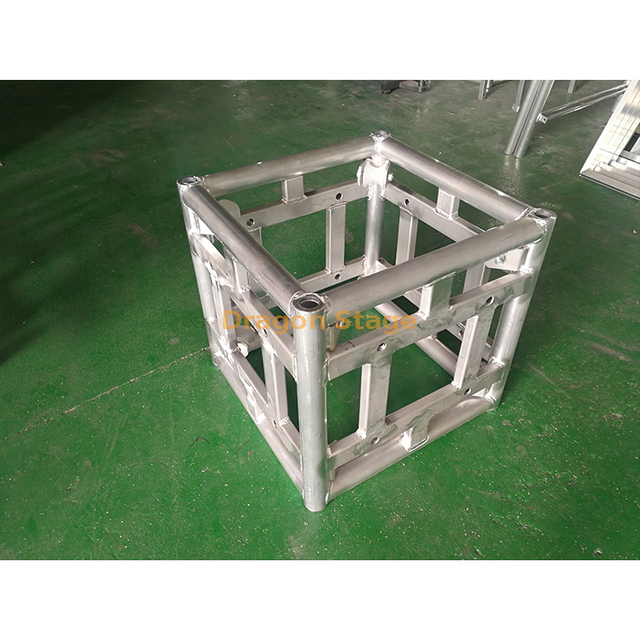
Structural Safety
Safety should always be prioritized.
Important considerations include:
Professional engineering design becomes increasingly important as stage size grows.
For engineering-related articles, visit:
Structural Engineering Fundamentals
https://www.dragontruss.com/structural-engineering-fundamentals.html
Concert Stage Accessories
A complete concert stage may include:
Roof systems;
Truss towers;
PA towers;
Barricades;
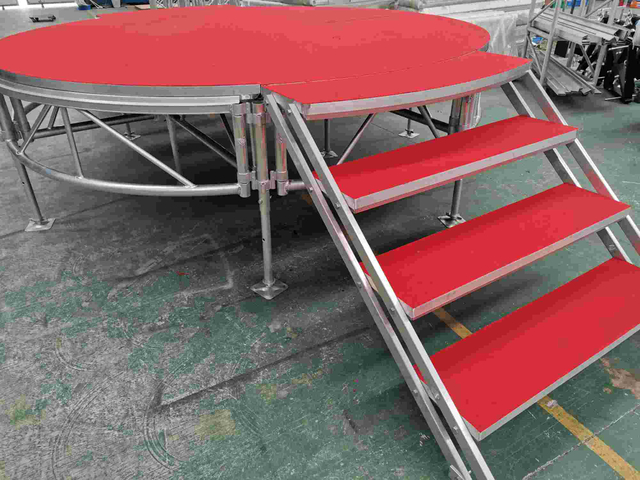
Stage stairs;
Catwalks;
Camera platforms;
FOH structures.
These supporting systems help ensure a safe and efficient production environment.
Conclusion
Successful concert stage design requires much more than simply building a platform.
Stage size, audience visibility, lighting, LED screens, roof structures, and safety all work together to create memorable live experiences.
Whether planning a small indoor performance or a large outdoor festival, proper stage design helps maximize audience engagement and ensure a successful event.
With modular stage systems and customized structural solutions, concert organizers can create flexible and impressive stages for events of all sizes.