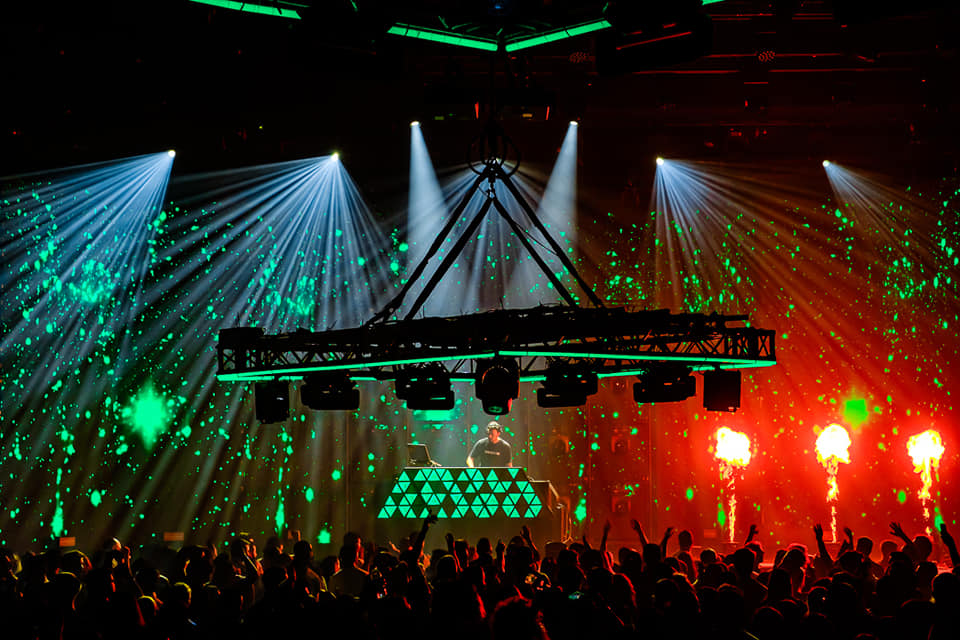
Stage lighting is the lighting used to brighten a stage, and it is a valuable tool for all types of events. It's a technique for drawing attention to people, stage backgrounds and accessories, and more at your event! When we dig deeper, we discover that we can direct someone's concentration by drawing their eyes around the stage with light.
Color, texture, and varying amounts of light can all convey emotion through lighting. It can be challenging to understand lighting jargon when you want to know the fundamentals. We'll keep things basic in this post about how stage lights work.
How Do Stage Lights Work
The aim of stage lighting is not restricted to a single purpose. In various ways, stage lighting may help you attract the audience's attention and enhance a stage show. The correct stage lighting can help you achieve the following goals:
Stage Illumination
The most fundamental goal of stage lighting is to illuminate the performers, sets, and props so that the audience can see everything that is supposed to be seen onstage. Inadequate lighting might detract from a performance. Dim lighting, for example, will make it more difficult for audience members seated close to the stage to see actors' facial expressions. Furthermore, illumination is needed to see where dancers, actors, and musicians are going onstage and watch the other performers.
Highlight The Following Areas
You can also use stage lights to guide audience members' eyes looking in the right direction. The majority of a stage may be black in the most dramatic situations, with only one spotlight illuminating on a focal point. In many other cases, the lighting designer can begin with a wash, covering a large area and serving as a light base layer.
Mood Control
By adjusting the stage lighting, you can influence the audience's mood. The goal is to match the lighting to the show's content to elicit the appropriate emotions in the audience. Examples of this are gentle, warm light for a joyous scene in a play or gloomy, chilly hues for a sorrowful ballad during a performance. Different colors are connected with certain moods. Blue, for example, is frequently connected with sadness, whereas red is frequently associated with strong emotions such as love or violence.
Set The Scene
Lighting can also contribute to creating the desired image of a scenario. In certain cases, this entails using lights to create optical illusions. Make the stage dark as an actor turns a prop light switch in a room, or use a moving light to make it appear like the sun is rising. Backlit scrims can also be used to simulate a starry night, a sunny day, or even a fire.
Conclusion
Stage lighting is described in this article, so you know how it works. A good production can be transformed into a memorable performance with the correct lighting design. Light may improve a play, concert, musical, dance, or worship service by using the proper angles, intensity levels, colors, and textures. Illuminated Integration is an audio, video, and lighting (AVL) design-build company that can help you develop a stage lighting setup from the ground up or upgrade your present setup.
How Do Stage Lights Actually Work?
Modern stage lighting systems work by combining four essential components:
1. Lighting Fixtures
The fixture produces the light beam. Common fixtures include:
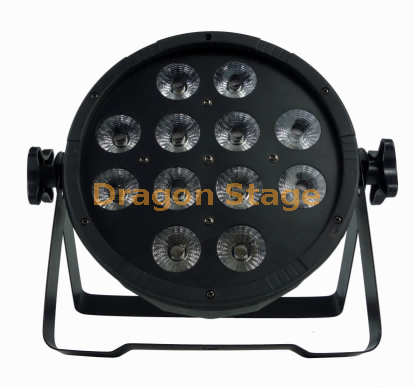
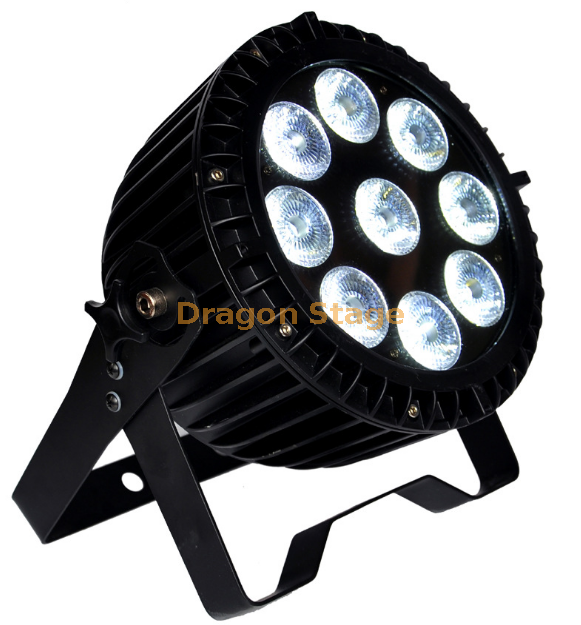
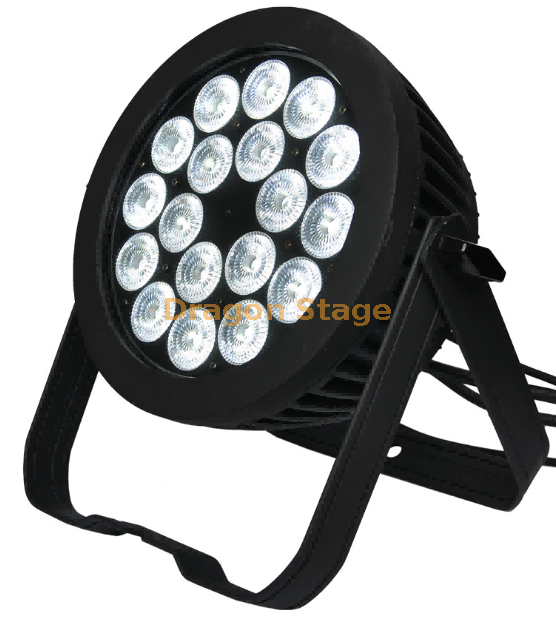
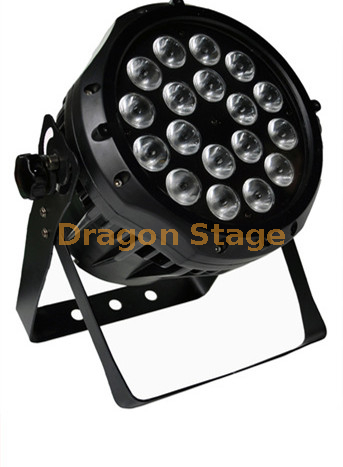
LED PAR Lights
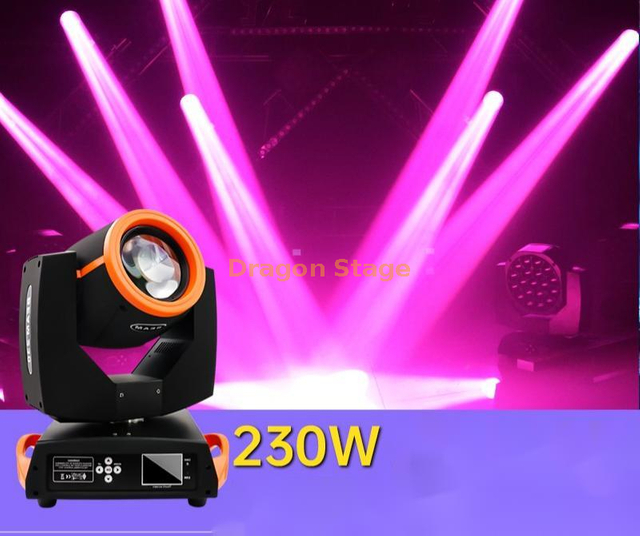
Moving Head Lights
Fresnel Lights
Profile Spotlights
Beam Lights
Wash Lights
Follow Spots
Each fixture is designed for a specific lighting purpose.
2. Lighting Controller
A lighting console sends commands to every fixture through the DMX512 control protocol.
The controller adjusts:
Brightness
Color
Pan and Tilt movement
Beam angle
Gobos
Zoom
Strobe effects
This allows hundreds of fixtures to operate together as one synchronized lighting system.
3. Power Distribution
Professional stage lighting requires stable electrical power.
Depending on the venue, fixtures may receive:
Proper power distribution improves both safety and reliability.
4. Truss and Rigging System
Stage lights must be securely mounted above the performance area.
Lighting fixtures are commonly installed on:
The supporting structure is just as important as the lighting fixtures themselves.
Basic Workflow of a Stage Lighting System
A typical lighting workflow follows these steps:
Lighting designer creates the lighting plan.
Fixtures are installed on trusses or lighting stands.
DMX cables or wireless DMX connect the fixtures.
Power cables supply electricity.
Lighting console programs lighting scenes.
Operators trigger lighting cues during the performance.
This coordinated system creates dynamic visual effects throughout the event.
Factors That Affect Stage Lighting Performance
Several factors determine how effective a stage lighting system will be.
Good lighting design balances all of these elements instead of relying on brighter fixtures alone.
Frequently Asked Questions
Do stage lights only provide illumination?
No.
Modern stage lighting also creates atmosphere, directs audience attention, highlights performers, supports video production, and synchronizes with music and special effects.
Why are moving head lights so popular?
Moving head fixtures combine pan, tilt, color changing, gobos, zoom, and beam effects into one fixture, reducing installation time while increasing creative possibilities.
Can LED stage lights replace traditional lamps?
For most applications, yes.
Modern LED fixtures offer lower power consumption, longer lifespan, lower heat output, and flexible color control compared with traditional halogen fixtures.
Related Articles
Learn more about professional stage lighting:
How Does DMX Control Stage Lights?
Most professional stage lighting systems use the DMX512 protocol, which allows a lighting console to communicate with multiple fixtures simultaneously.
Each fixture is assigned a unique DMX address, enabling operators to control brightness, color, movement, gobos, zoom, and special effects individually or as part of programmed lighting scenes.
DMX has become the global standard for concerts, theaters, television studios, houses of worship, and live events because it offers reliable, synchronized control over complex lighting systems.






![Stage Light Cob Surface Light Wedding Bar Lighting Voice Control Film And Television Led Spotlight [white Warm Color] COB Surface Light 150w](http://iqrorwxhljollr5q.leadongcdn.com/cloud/mnBpmKojRljSrrmopmlrk/cob-front-light-640-640.jpg)