When comparing aluminum stages, many buyers focus first on price. However, professional buyers usually begin with a different question:
Why are two stages with similar dimensions sold at completely different prices?
The answer is rarely determined by a single factor. The real value of an aluminum stage comes from the combination of engineering, manufacturing, materials, and quality control.
This article explains the major factors that influence both price and long-term performance.
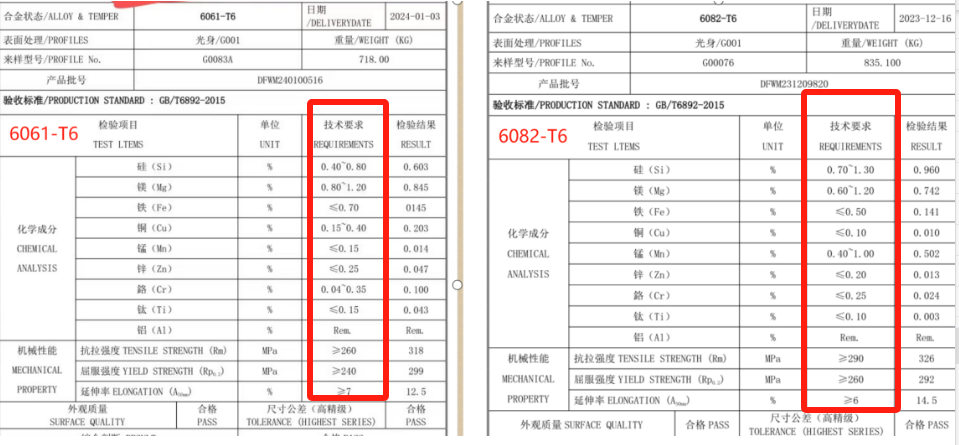
Material Quality Is the Foundation
The aluminum alloy used for the stage frame has a direct impact on its strength, durability, and service life.
Professional modular stages are commonly manufactured from 6061-T6 or 6082-T6 aluminum alloys because they provide an excellent balance between strength, corrosion resistance, and weldability.
Some low-cost products may use lower-grade materials while advertising similar specifications.
If you would like to understand aluminum stage construction in more detail, Aluminum Stage Features, Structure and Components Explained introduces the main structural components of a modular stage.
Structural Design Matters More Than Appearance
Two stages may look identical from the outside while having completely different structural designs.
Professional engineering considers:
Load distribution
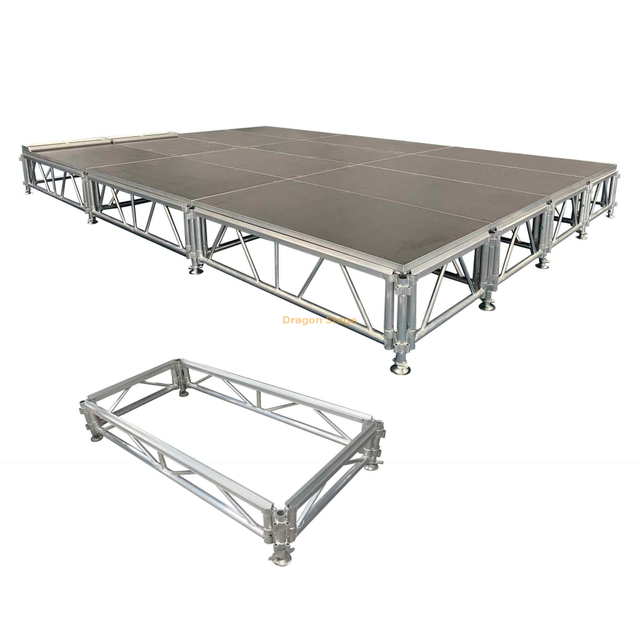
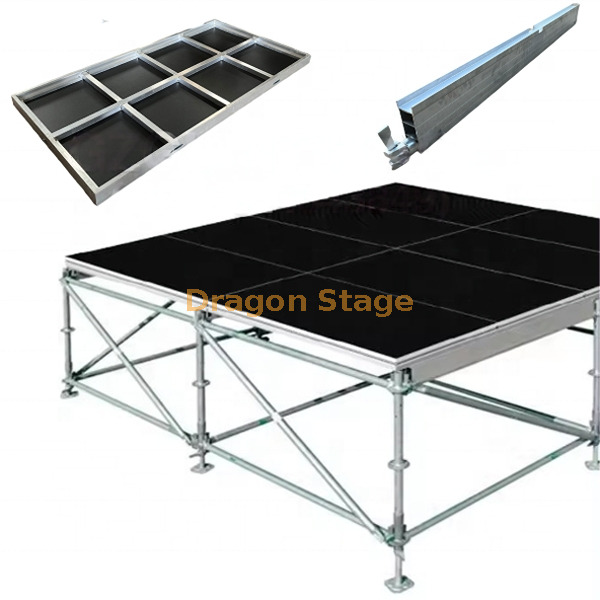
Frame reinforcement
Brace arrangement
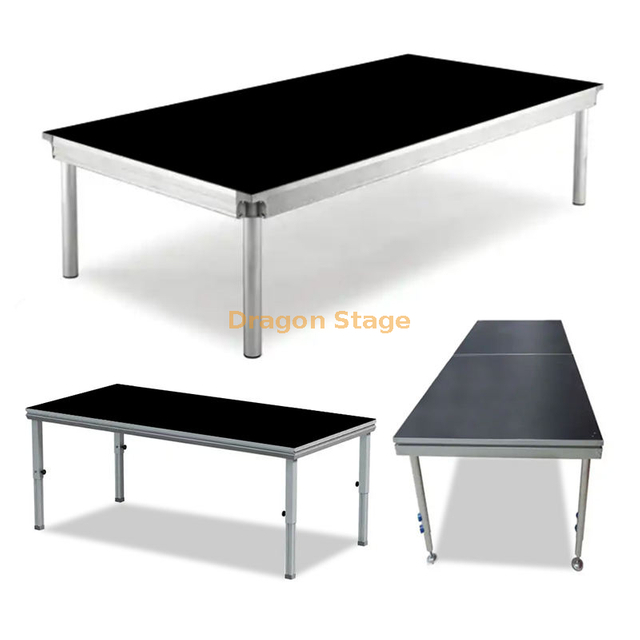
Adjustable leg design
Connection methods
Structural stability
A well-designed stage provides greater safety, easier installation, and a longer service life.
Manufacturing Quality Affects Reliability
A high-quality aluminum stage requires much more than good raw materials.
Manufacturing quality depends on:
Poor workmanship can reduce structural strength even when good materials are used.
Load Capacity Should Match the Application
Load capacity is one of the most important specifications.
Different events require different loading requirements.
For example:
Choosing a stage simply because it has the lowest price may result in insufficient load capacity for the intended application.
Accessories Are Part of the Complete System
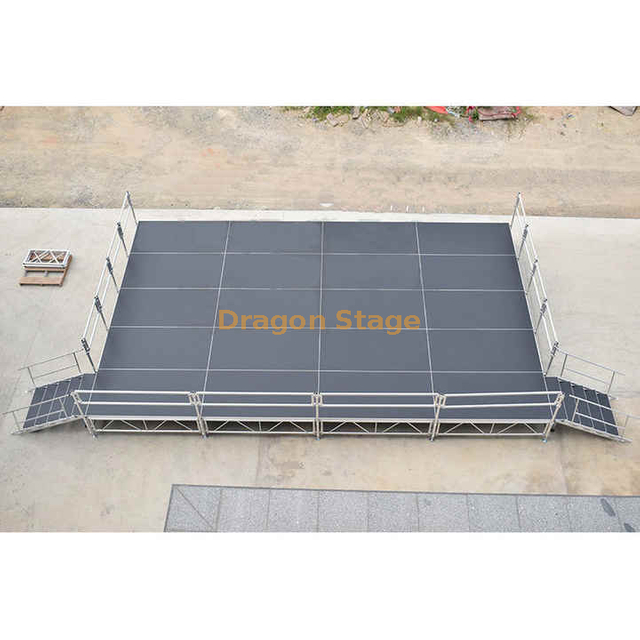
A modular stage is much more than just stage platforms.
A complete quotation may include:
Many price comparisons overlook these components, leading to misleading conclusions.
Because adjacent platforms share structural components, modular stages cannot simply be priced by square meter. This is explained in Why Aluminum Modular Stages Cannot Be Priced Per Square Meter.
Custom Designs Require Additional Engineering
Standard rectangular stages are generally the most economical because they maximize the use of standard modular platforms.
Custom projects such as:
Round stages
T-shaped stages
Catwalks
Multi-level stages
require additional engineering, manufacturing, and testing.
For example, Why Round Stages Cost More Than Square Stages explains why curved structures require more custom fabrication and material processing.
Quality Control Provides Long-Term Value
The purchase price is only part of the overall investment.
Reliable manufacturers typically perform:
These procedures help reduce installation problems and extend the service life of the stage.
Consider the Total Cost of Ownership
The lowest purchase price is not always the lowest long-term cost.
When evaluating different suppliers, consider:
A stage that lasts many years with minimal maintenance often delivers better value than a lower-priced alternative that requires frequent repairs or replacement.
Frequently Asked Questions
Why are aluminum stage prices so different?
Prices vary because of differences in materials, engineering design, manufacturing quality, load capacity, included accessories, and quality control.
Does using 6061-T6 aluminum guarantee good quality?
No. Material quality is important, but welding quality, structural design, and manufacturing accuracy are equally critical.
Why can't modular stages be compared by square meter?
Because the quotation depends on the complete structural system, including shared braces, adjustable legs, stairs, and accessories.
Are custom stage shapes more expensive?
Yes. Round stages, catwalks, and other custom layouts require additional engineering and manufacturing work.
What should I compare when choosing a supplier?
Compare the complete stage specification, load capacity, materials, included accessories, engineering support, and after-sales service—not just the unit price.
Conclusion
The real value of an aluminum stage is determined by far more than its selling price. Material quality, structural engineering, manufacturing precision, load capacity, included accessories, and long-term reliability all contribute to the overall performance of the stage.
Rather than choosing the lowest quotation, buyers should evaluate the complete stage system and select a solution that provides the best balance of safety, durability, and lifetime value.
Related Articles