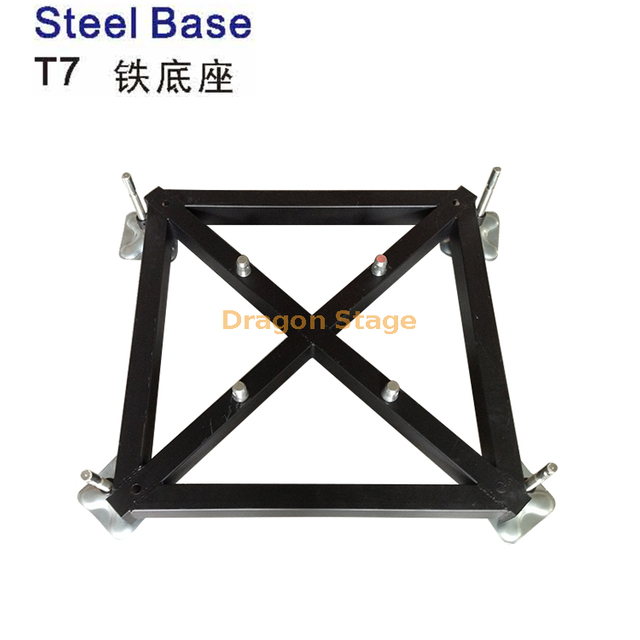
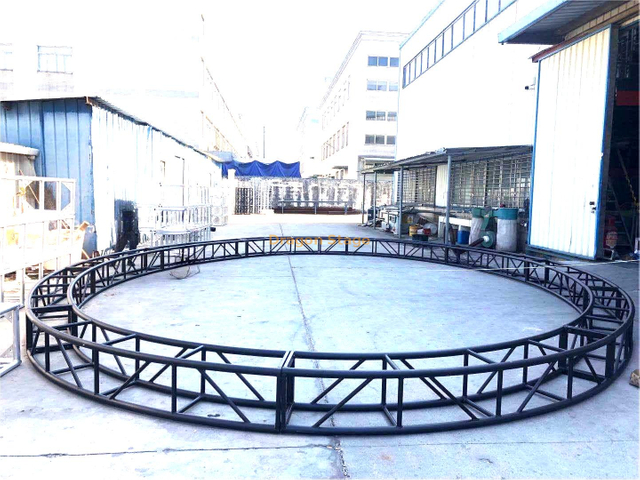
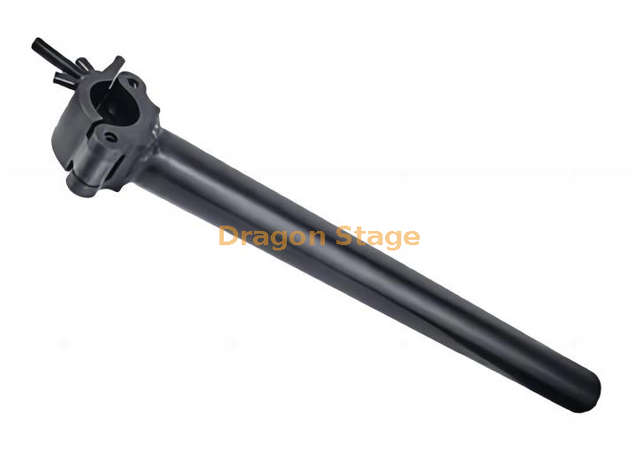
When customers select an aluminum truss or stage component, the first thing they usually notice is the final appearance:
silver aluminum surface;
black powder-coated finish;
white or custom color coating;
or another project-specific appearance.
However, the final color is only the visible result.
Before aluminum components receive a powder-coated finish, the surface needs to be prepared through several manufacturing steps.
For the aluminum components processed through our current coating workshop, the general route is:
Surface Preparation → Drying → Electrostatic Powder Coating → Oven Curing → Packaging
Compared with steel Ringlock components, aluminum parts follow a different preparation process because the base material and surface characteristics are different.
The purpose is not simply to add color.
The purpose is to create a suitable surface condition before the powder coating is applied.
1. Surface Preparation: Cleaning the Aluminum Before Coating
Aluminum components first go through surface preparation.
According to the process information provided by our current coating workshop, aluminum parts are sandblasted and cleaned to remove:
oil contamination;
surface oxides;
dust;
and other impurities.
This step is important because aluminum components are normally processed through cutting, welding, machining, drilling or assembly preparation before coating.
During manufacturing, the surface may collect contaminants that can affect the final coating appearance if they are not removed.
A powder-coated surface does not start from the powder.
It starts from the condition of the aluminum underneath.
Suggested media:
2. Surface Grinding and Final Cleaning Before Powder Application
After the initial surface preparation, the components receive further manual inspection and preparation.
According to the workshop process:
This step is a practical manufacturing operation.
Although powder coating is applied through equipment, the condition of each individual component still needs attention before entering the coating line.
For welded aluminum truss sections and customized stage components, local surface conditions may vary depending on fabrication details.
The purpose of this step is to provide a cleaner and more consistent surface before powder coating.
3. Drying Before Powder Coating
After preparation, aluminum components are hung on the production line and enter the drying stage.
According to the current coating process documentation, the drying oven is set to:
210°C
The purpose of this stage is to remove remaining moisture from the surface before powder application.
This step is especially important because powder coating requires a properly prepared and clean surface.
Any remaining moisture or contamination may influence the final coating quality.
The 210°C value here represents the current setting used by our coating workshop.
It should not be understood as a universal requirement for all aluminum powder-coating systems.
Different powder types, coating suppliers and production lines may use different parameters.
4. Electrostatic Powder Coating
After drying, the aluminum components enter the electrostatic powder-coating stage.
During this process, powder particles are applied to the aluminum surface using electrostatic spraying equipment.
The workshop checks:
This is the stage where the final visible finish is created.
For event structures, common finishes include:
For custom colors, customers should provide a specific RAL color code instead of only a general description.
For example:
“dark grey” may refer to different shades depending on personal understanding.
A RAL number provides a clearer reference between:
customer;
sales team;
production team;
and coating workshop.
You can view available color references here:
RAL Powder Coating Color Options
https://jprorwxhljollr5q.leadongcdn.com/RAL+Powder+Coating+Color+Options-aidmpBpmKojRllSrmnnrppjk.pdf?dp=
Please note that colors displayed on screens may vary because of monitors, lighting conditions and photography.
5. Powder Curing: Creating the Final Coating Finish
After powder application, the aluminum components enter the curing oven.
According to the current workshop process:
Curing oven setting: 220°C
During curing, the powder coating melts and forms the final surface coating layer.
The difference between drying and curing is important:
Stage | Purpose | Current Workshop Setting |
|---|
Drying | Remove surface moisture before powder coating | 210°C |
Curing | Complete the powder-coated surface finish | 220°C |
These temperatures describe the current production process used by our coating workshop.
They are not presented as universal powder-coating parameters for every manufacturer.
6. Aluminum Powder Coating vs Steel Ringlock Powder Coating
Aluminum truss and steel Ringlock components both use powder coating, but the preparation process is not identical.
The difference comes from the different characteristics of the base materials.
Steel Ringlock Process
The steel Ringlock process documented by our coating workshop includes:
sandblasting;
degreasing;
acid pickling;
phosphating;
e-coating;
drying;
surface inspection;
powder coating;
curing.
The process includes an electrophoretic coating stage before powder coating.
Aluminum Component Process
The aluminum process documented here focuses on:
The aluminum process does not include the e-coating step described in the current steel Ringlock process.
This difference is why the surface-treatment process should be understood according to the material being processed rather than simply described as “powder coating.”
7. Where Powder Coating Is Used on Aluminum Event Structures
Powder coating can be applied to various aluminum event-related components, including:
aluminum truss components;
stage structure parts;
decorative aluminum structures;
customized aluminum frames;
event support components.
For structural applications, the coating finish is only one part of the complete product system.
Material selection, connection method and component design also influence the final application.
For more information about aluminum materials and components, see:
Material & Component Knowledge
https://www.dragontruss.com/Material-Component-Knowledge-ic3448426.html
For information about connection methods and the relationship between different structural components:
Connection Material System
https://www.dragontruss.com/connection-material-system.html
What This Process Does Not Automatically Prove
The powder-coating process described here confirms the manufacturing steps used by our current coating workshop.
It does not automatically prove:
a specific outdoor service life;
salt spray test hours;
corrosion classification;
coating thickness;
compliance with a specific coating standard.
Those performance claims require additional testing documents or inspection records.
A manufacturing process explains how a product is made.
A verified performance test explains how a product performs under defined conditions.
These are different types of information.
Powder Coating Is More Than Choosing a Color
For customers, powder coating may appear to be a simple choice:
“Can you make this aluminum truss black?”
From a manufacturing perspective, the answer involves more than selecting a color.
The complete process includes:
surface preparation → cleaning → grinding and inspection → drying → electrostatic powder coating → curing
The final color is what customers see.
The preparation underneath is what determines how that finish is created.
Understanding this process helps customers better evaluate aluminum truss and stage components—not only by appearance, but also by manufacturing quality and process control.
FAQ
Can aluminum truss be powder coated in custom colors?
Yes. Custom colors can be requested according to available coating options. Customers should provide the required RAL color code when requesting a specific finish.
Is the aluminum powder-coating process the same as steel Ringlock coating?
No. Although both use powder coating, the preparation process can be different. The current steel Ringlock process documented by our coating workshop includes e-coating, while the aluminum process described here focuses on aluminum surface preparation before powder coating.
Why does aluminum need surface preparation before powder coating?
Because aluminum components may have oil, oxides, dust or other contamination from manufacturing. Surface preparation creates a cleaner condition before the powder coating stage.
What temperature is used for aluminum powder coating?
According to the current coating process provided by our workshop, aluminum components are dried at 210°C and cured after powder application at 220°C. These values describe the current process setting and are not universal requirements for every coating system.
Need Powder-Coated Aluminum Truss or Stage Components?
When requesting a quotation, please provide:
We can then confirm the suitable aluminum component configuration and available coating options before production.